How to choose the right RV, compare rental options, understand the systems, and plan a smooth, memorable trip.
Updated November 2025
If you’ve ever imagined waking up to a sunrise right outside your window, making coffee with mountain air drifting through the door, or settling in under a sky crowded with stars, you already know why people fall in love with RV travel.
Whether you’re exploring national parks, road-tripping across wide-open spaces, or mixing nature with city visits, renting an RV can be a smart and rewarding way to travel. This guide walks you through everything you need to know—from choosing a vehicle to comparing rental companies to understanding the basics of water and electrical systems.
What Is an RV?
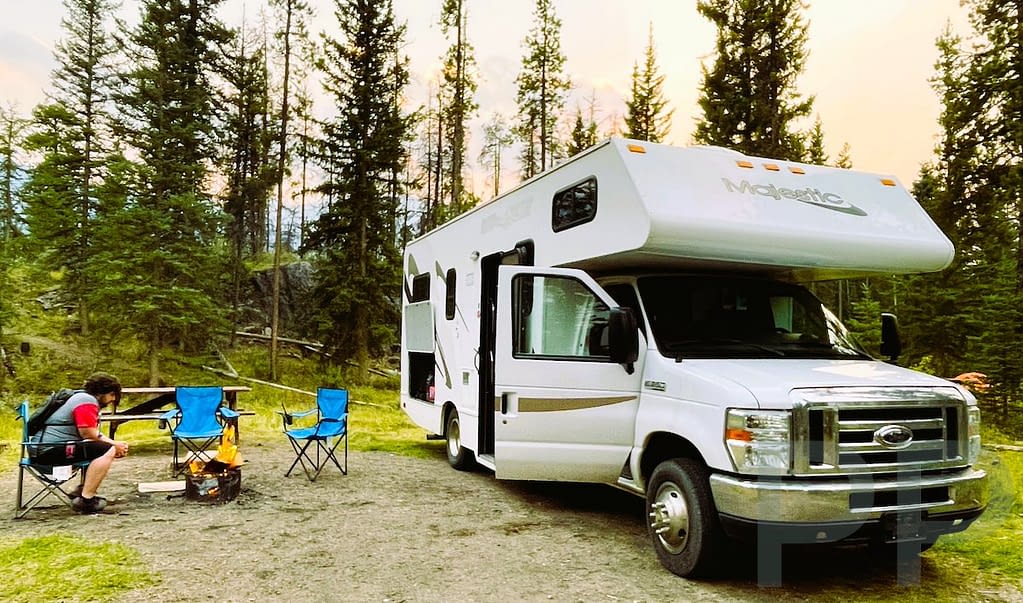
An RV (recreational vehicle) is a motorized vehicle designed for road travel and temporary living. RVs range from small campervans to large, fully equipped Class A coaches. The most common rentals for travelers—especially couples, families, and those flying to their destination—are:
- Campervans
- Class B RVs (larger vans)
- Class C motorhomes
Each offers a different blend of size, comfort, and drivability, so you can match the vehicle to your travel style and itinerary.
Why We Rent—And Why You Might Want To
We’ve never purchased an RV. Most of the trips where an RV makes sense for us are out West, far from home, and the cost of ownership simply isn’t practical.
Renting, however, gives you:
A home that travels with you
Once your things are inside, you’re set. No packing and unpacking with every stop.
Close-to-the-action access
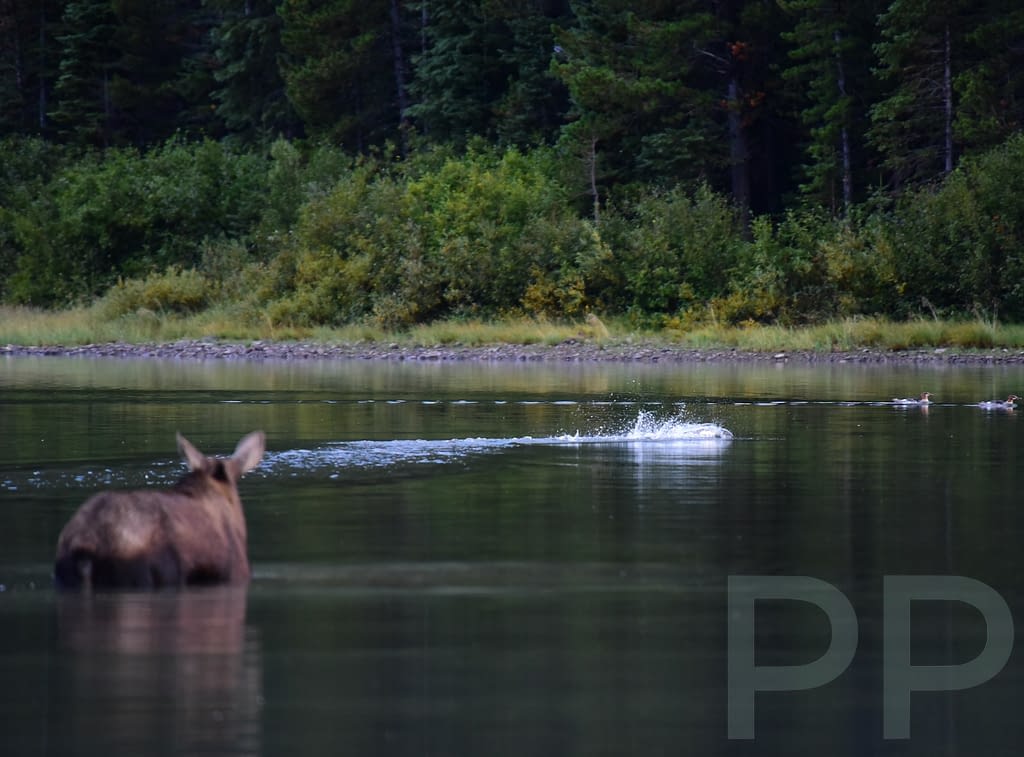
Staying in or near national and state parks gives you quiet mornings, star-filled nights, and access to wildlife at dawn and dusk—without long daily commutes.
Convenience
Rolling into camp with your kitchen, bed, and gear already set up is a luxury that adds up over the course of a trip.
Potential savings
If you’re traveling with a group or plan to cook most meals, an RV can be cost-effective compared to hotels + rental car + dining out. Fuel, campsite fees, and rental rates vary, so compare costs early.
And—it’s fun
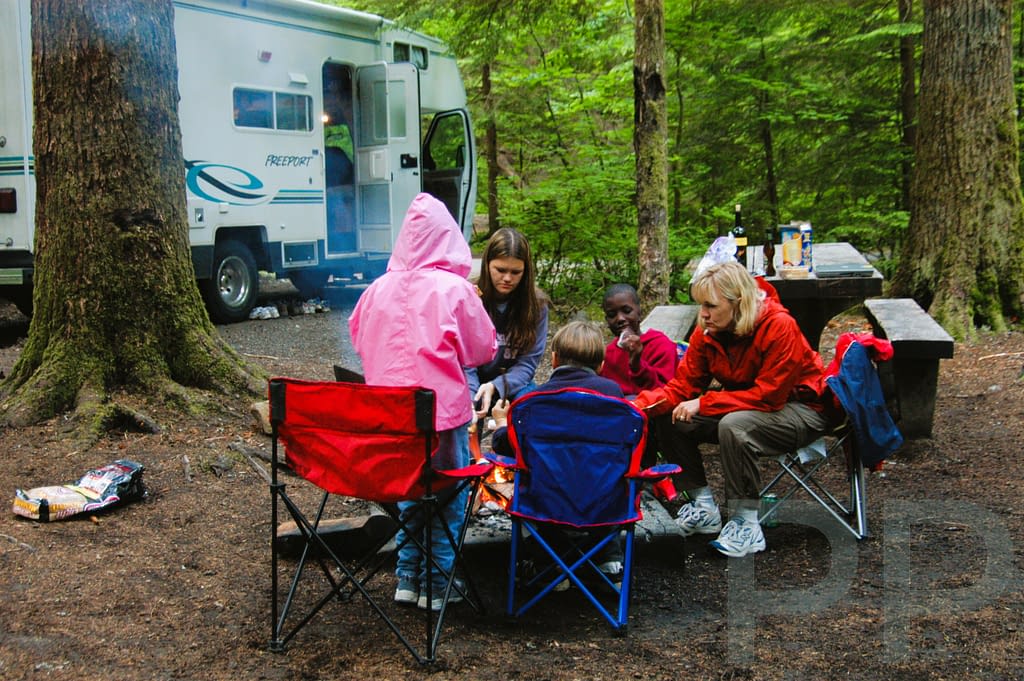
Kids love it. Adults love it. There’s something unmistakably special about sleeping in a camper and living a few steps closer to nature.
Is Renting an RV Right for Your Trip?
Start with a practical question: Does this make sense for the trip you’re planning?
1. Run a cost comparison
Include:
- RV rental rate (plus mandatory insurance, cleaning fees, add-ons)
- Fuel costs based on your itinerary
- Campsite fees
- Savings from cooking vs. eating out
- Any mileage overage fees
2. Evaluate logistics
Consider:
- Daily driving distances
- Road restrictions
- Whether your route includes ferries
- Where you’ll pick up your RV (especially after a flight)
3. Consider the overall experience
Some itineraries are ideal for RVs; others aren’t.
For example: long distances + expensive fuel + limited campground options can tip the balance toward hotels + rental car.
Driving an RV for the First Time
If you’ve never driven an RV before, you’re not alone—most renters are first-timers. We were nervous the first time, too. The good news is that the RVs most travelers rent (campervans, Class B vans, and short Class Cs) are far less intimidating than they look.
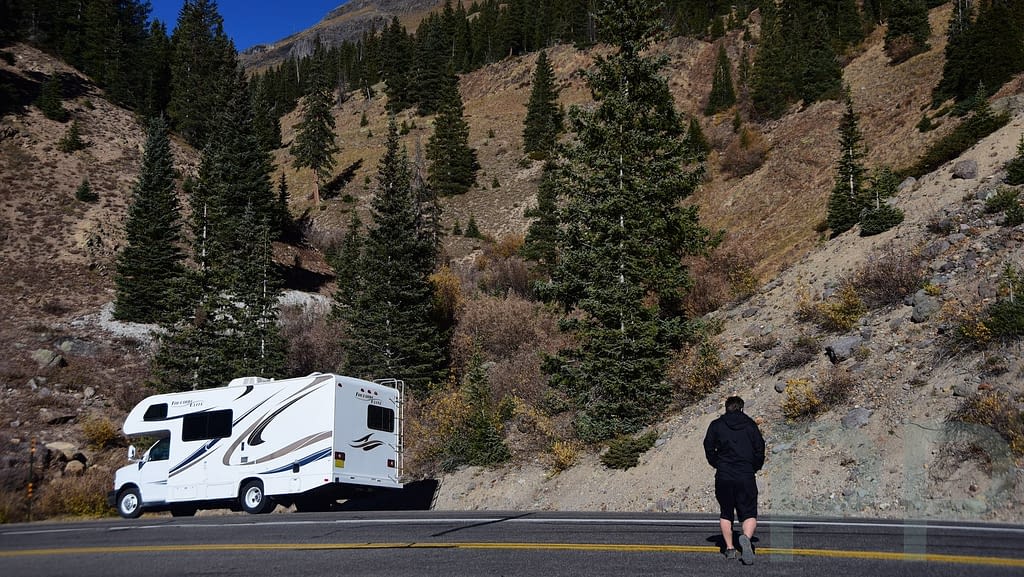
A Class C under 25 feet drives more like a van or moving truck than a bus. You sit higher, visibility is good, and most rentals include backup cameras and oversized mirrors. After 30–60 minutes, most drivers feel surprisingly comfortable.
Give yourself extra space for turns, brake earlier than in a car, and take hills and curves slowly. Practice in a big parking lot if you’d like. You don’t have to rush—RV travel rewards a slower pace.
If you prefer something more nimble, consider a campervan or Class B.
Choosing and Booking an RV Rental
Step 1: Choose the Type of RV
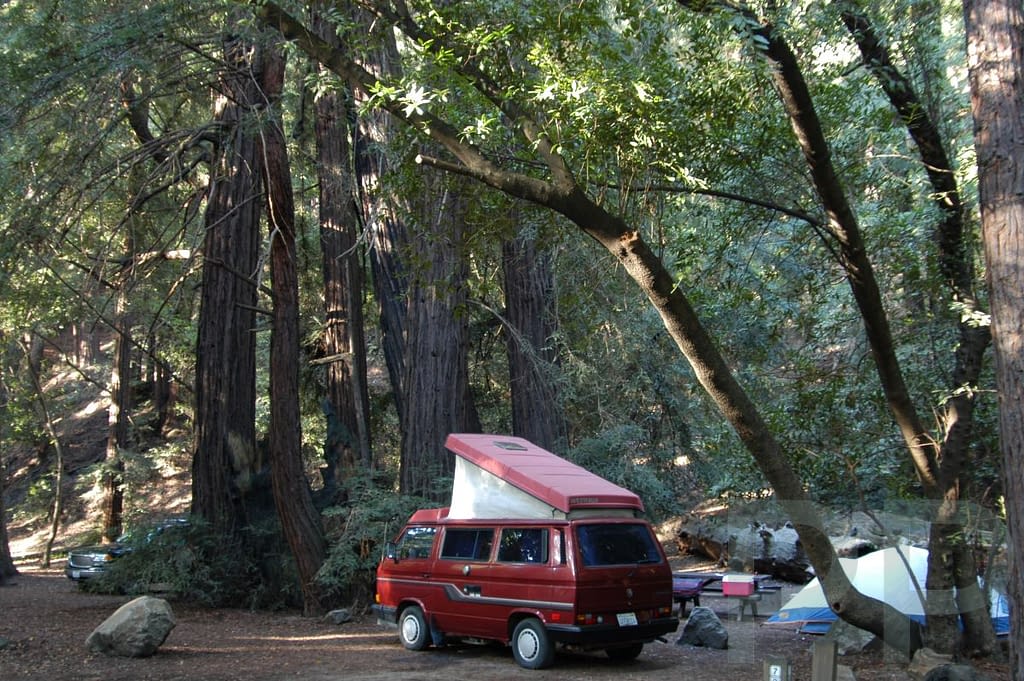
Campervan
Compact, fuel-efficient, easy to drive.
Class B RV
Larger and more comfortable, with more amenities.
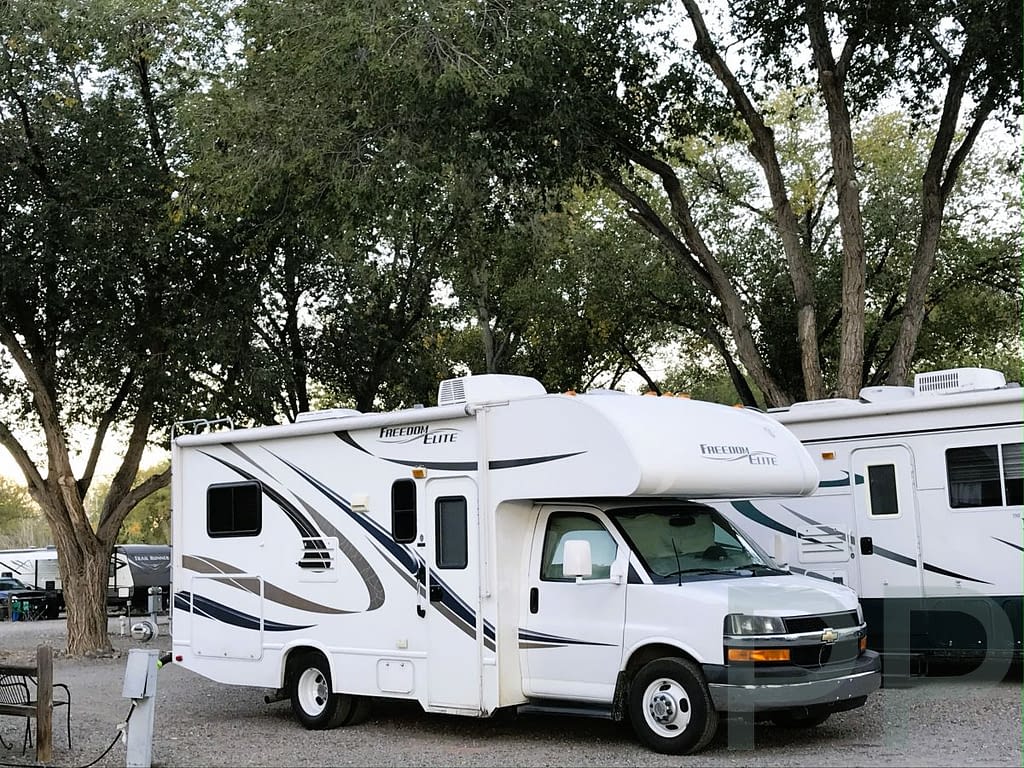
Class C RV
Great for families:
- More space
- Bed over cab
- Full bathroom
- Larger tanks
Step 2: Compare Specific RVs and Rental Companies
Two provider types:
- Fleet-based companies like Cruise America
- Broker platforms like Outdoorsy or RVezy
Use your spreadsheet to compare:
- Rates
- Mileage limits
- Size and length
- Bed layouts
- Features like backup camera, awning, microwave
- Insurance and deposits
Step 3: Review Details Before Booking
Double-check:
- Driving restrictions such as RV-length limits for certain roads
- Add-on packages
- Generator rules
- Pickup/drop-off logistics
- Cancellation policy
Step 4: Book the RV
Ask:
- Are there guides or how-to videos?
- What kind of coffee maker is included?
- Where exactly is the pickup location?
- Is delivery available?
Add details to your itinerary.
RV Basics: What to Know Before You Go
Understanding RV Systems
Inside every RV you’ll find:
- House batteries
- Engine battery
- Fresh, grey, and black tanks
Monitor tank levels and be aware of generator hour limits in many parks.
Prepping for an RV Trip
If your trip includes nights without hookups, plan one night at a commercial RV park to refresh water, do laundry, and empty tanks.
Many parks offer dump stations at the exit. Some Walmarts allow overnight stays (always check signage).
Packing for an RV Trip
Bring:
- Linens and towels (if not included)
- Flashlight/headlamp
- Phone holder for dash
- 12V chargers
- Simple tool kit
- Paper plates + utensils
- Coffee supplies
Choose easy meals:
- Heat-and-serve items
- Pre-cooked barbecue
- One-pot dinners
- Salad kits
Shopping After You Pick Up the RV
Good items to grab:
- Matches or lighter
- Dish soap and sponge
- Paper towels and toilet paper
- Snacks and drinks
- Easy breakfast and dinner supplies
Checklist for Leaving a Campsite
Before driving away:
- Disconnect shore power
- Disconnect water
- Retract slide-outs
- Retract awning
- Close roof vents
- Turn off water heater and pump
- Secure loose items
Helpful Resources
National Park Service — Find a Park
Glacier NP — Going-to-the-Sun Road restrictions
Campground Reservations
Recreation.gov (National Parks & federal sites)
ReserveAmerica (State Parks & private campgrounds)
Understanding Campground Types & Boondocking
BLM — Camping on Public Lands (dispersed camping info)
USFS — Camping & Dispersed Camping Overview
RV Systems & How-To Guides
Camping World — How RV Water Systems Work
RV Geeks (YouTube) — RV electrical & systems tutorials
Frequently Asked Questions About Renting an RV
Most first-time renters find that Class Cs under 25 feet and campervans are easy to handle. They drive more like a large van than a bus. Taking turns slowly, braking early, and practicing in a parking lot builds confidence quickly.
Campervans and small Class C RVs are the most beginner-friendly. They’re easy to maneuver, fit in standard parking spaces (campervans), and include essential amenities without being oversized.
It depends on your destination, group size, fuel costs, and how often you plan to cook. For families or groups who cook meals in the RV, renting can be more cost-effective than hotels plus a rental car.
For national park trips, book at least 4–6 months ahead, especially for summer. For off-season or non-park destinations, 2–3 months is usually enough.
Pack linens (if not provided), a flashlight or headlamp, chargers, simple cooking tools, paper products, and easy-prep meals. RV-specific items include a small tool kit and a dashboard phone holder.
No. Many national park campgrounds do not offer electric or water hookups. If you’re staying in parks without hookups, consider scheduling one night mid-trip at a commercial RV park to refresh tanks and do laundry.
Campgrounds, RV parks, some national and state parks, and certain retail parking lots (like some Walmart locations) allow overnight RV stays. Always confirm signage or ask inside.
Final Thoughts
Renting an RV isn’t the right choice for every trip—but when it fits, it can completely transform your travel experience. It offers freedom, flexibility, comfort, and the chance to create unforgettable moments: stargazing, quiet mornings, campfires, and spontaneous stops along the way. Happy Travels!
Other Related Guides
When to go? Understanding Peak, Low, and Shoulder Travel Seasons