So, you’re ready to start planning your next big adventure! Building an amazing travel itinerary isn’t a one-and-done task; it’s a constantly evolving process that often continues even after you’ve begun your journey. Every trip is unique, with its own specific goals and, yes, limitations (budget, time…we all have them!). The perfect plan for your trip to a bustling city will look totally different from a two-week road trip, and that’s okay. This guide will walk you through creating an itinerary that works within your boundaries—and makes the most of them.
Before diving into dates and reservations, remember that a great trip starts with a little daydreaming. That early brainstorming helps you choose the right destination and set expectations. From there, planning becomes iterative—you refine, adjust, and sometimes rethink things as new information comes to light.
If you want the short version before going deeper, our Travel Planning Overview lays out the big picture.
The Trip Planning Flow
Why Planning Isn’t Linear
We realized that whether we’re planning a weekend getaway or a month-long trek, we naturally follow a general sequence of decisions. I honestly didn’t even realize I had a “system” until I started writing this! But it turns out there’s a loose order to tackling your trip plans.
The Itinerary as a Cycle, Not a Checklist
While we’ll talk about these planning activities in “steps,” you won’t complete one, check a box, and move on. This process is rarely linear; the steps tend to overlap, and you’ll often jump back and forth. Think of it as a cycle! You’ll know you’re making progress when you hit those major milestones, like finally clicking ‘Buy’ on the airline tickets or locking in that must-do tour. The general process flow is summarized in the diagram below.
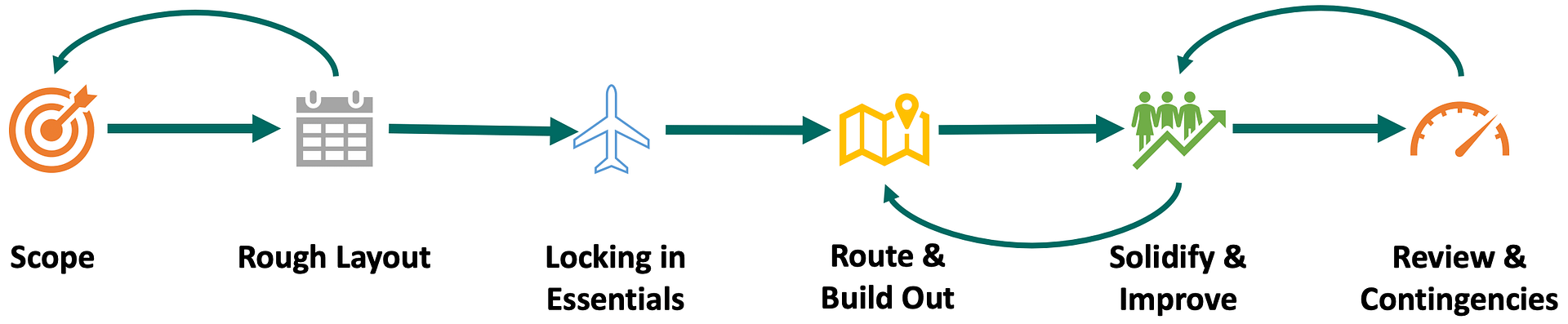
Flow for developing a great trip itinerary within constraints
The House-Building Analogy
Here’s a helpful way to picture it: imagine building your itinerary like building a house.
- Scoping and layout are like buying the land and pouring the foundation.
- Booking those crucial activities and figuring out your route is like raising the walls and putting on the roof.
- The final steps—solidifying the details and planning for the unexpected—are like adding the trim, paint, and fixtures, and then preparing for those pesky, but inevitable, construction delays!
A Quick, Important Note
Remember this: Trip planning, especially building the itinerary, should be fun. If you find yourself dreading the research, it may be time to rethink your approach. Look for ways to keep the research exciting, not burdensome. The process we’ve laid out is meant to be a helpful guide—to get you started or improve your current method—not a rigid set of rules you must follow step-by-step.
Initial Scope: Defining Your Trip’s Vibe
Once you’ve settled on where you’re going, it’s time to sketch out the trip. While an itinerary is technically a schedule and a route, before you get into the nitty-gritty of dates, it’s super helpful to nail down your trip’s “why” and, just as important, what your limitations are.
(Click images for a larger view.)
Goals and Constraints: Your Must-Haves and Limits

Knowing your priorities is essential when you build your plan.
You likely already have a good idea of your trip’s goals just by choosing the destination. But if you’re traveling with others, it’s a good idea to chat and make sure everyone is on the same page. You might have someone who absolutely needs to visit the Louvre, while the “foodies” in the group are focused on reservations at specific restaurants. Whether you need a formal meeting or a quick chat, you’ll all have to make choices once you factor in the constraints.
This initial planning stage should answer a few key questions:
- How long do you actually have, and what time of year are you going?
- What’s your all-in budget?
- What’s the right pace for you? (Don’t jam-pack every minute!)
- How will you divvy up your time and money across different experience categories? Think about physical activities (hiking, walking tours), relaxation/downtime, food experiences, socializing, intellectual pursuits (museums, etc.), or other interests (concerts, volunteering).
These goals and limits aren’t always set in stone. As you start looking at routes and options, you might find yourself coming back to this step to tweak the time or budget.
Weather, Climate, and Daylight Hours
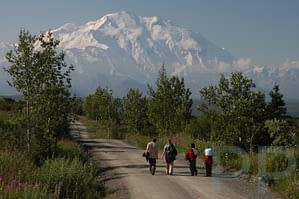
Don’t forget the sun! Check weather forecasts and climate patterns, and look up daylight hours (sites like sunrise-sunset.org are great). It makes a huge difference when planning, especially if you’re heading somewhere like Denali National Park in Alaska in July—where you’ll have plenty of daylight!
Look Out for Hidden Roadblocks
Guidebooks for your destination often highlight conflicts and crowd patterns. Check local calendars for events, festivals, or parades, which can either be a positive or a negative depending on your interests.
Key Activities: The Non-Negotiables
While you’re still in the initial planning phase, you need to lock down any activities or events that are the whole reason for your trip. For instance, if your entire New Orleans visit hinges on attending the Jazz Festival, the festival dates, schedules, and ticket availability become your absolute priority. Details like which French Quarter restaurants you’ll try, can wait until you’ve confirmed the main event. The same goes for highly sought-after, limited-access activities, like securing a stay at Phantom Ranch in the Grand Canyon—get those dates squared away before moving on.
Rough Layout: Sketching Out the Days
Scheduling It Out
Start sketching out an initial plan for your total number of days. Ask yourself:
- What are the logistics and time commitment for each city or area you want to visit?
- What’s the general cost range for different types of lodging?
- Are there any dates that look tricky (e.g., holiday crowds or scheduled closures)?
You can often “slide” your start date around until the itinerary lines up perfectly with your personal schedule, hitting those ideal weekends or holidays. Don’t be afraid to add or cut a few days to make it work! We find that keeping track of all these options in a simple spreadsheet is invaluable—it becomes your go-to reference once the trip begins. (See our El Salvador or Spain & Portugal posts for recent examples and templates to help jump start your planning.)
Figuring Out Transportation
Once you have a few possible schedules, you can start looking at how you’ll get there. If flight cost is a major factor, check different flight times and airports. Should you consider an “open-jaw airline ticket”? Just remember that open-jaw itineraries can sometimes add extra costs, especially for rental car fees. Generally, booking early and tracking price changes over a few weeks is the best way to save money.
This is also the time to look into transportation during the trip—will you need a car, RV, or train? As you investigate, look for any major hurdles that might force a plan change, like road closures or sites that will be shut down. (See our tips pages on renting RVs)
With this rough draft, you can create a quick cost estimate to make sure the trip is feasible. If it’s too pricey, go back and adjust!
Locking In the Essentials
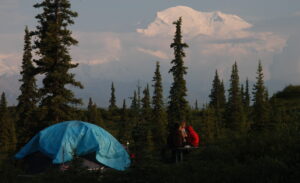
There comes a moment when you have to commit to the biggest cost and schedule drivers. These are usually your main transportation (flights) or that tough-to-get hotel or event. For instance, if you want to camp at Wonder Lake in Denali National Park, you absolutely have to book early!
The perfect time to book is a balance between getting a good price/availability and keeping your options flexible. Wait too long, and prices jump or attractions sell out. But sometimes keeping your options open a little longer pays off.
Booking these critical pieces provides a concrete sense of progress in planning.
While you’re waiting for reservations to open or watching for a better price, keep researching! Take good notes. Sometimes you stumble across an amazing new discovery before you’ve fully committed, which is the best-case scenario. Even if you don’t change your plans, the continued research will help you fill out the rest of your itinerary later.
Building It Out: Routes and Details
Mapping Your Adventure
Now that you have your foundation, it’s time to build the frame of the trip: your chosen route. This could be a path through one city, across an entire country, or even around the world! We like to read through guidebooks and websites while looking at maps to spot points of interest. (You already sketched out a rough route earlier, so now we’re refining it.)
As you study the map and sights, you might realize, for example, that driving counter-clockwise makes more sense. We often use tools like Google Maps and discover unexpected gems along the way—historic sites, hidden viewpoints, or perfect picnic spots. These spontaneous finds can become the best parts of your adventure! Of course, you may also realize you’ve packed too much in and need to cut a few things out, or you might find a way to incorporate something brand new. We use a mapping tool (like Google MyMaps) to save all our routes and points of interest alongside our main spreadsheet. (See our Dakotas Itinerary post for an example map and planning spreadsheet.)
Tip: When you cut a sight or activity, save the research! It could easily come in handy later on the trip if you need a spontaneous alternative.
Booking Beds and Day-to-Day Fun
Once you have a solid route, you can start reserving your accommodations. Mapping tools like Google Maps are great for seeing where hotels are in relation to your planned sights. If you find places with free cancellation, you might have already booked those in earlier stages. But if you’re traveling in the off-season, accommodations might be plentiful, and you could even decide on the fly.
We love working on this step together! One person reads about sights and activities while the other looks at the map and logistics. This helps us combine what we’ve researched with the actual geography, often leading to new insights by leveraging both verbal and visual learning styles.
Here’s a great trick: Break your trip down into day and half-day segments. Group nearby sites and accommodations together. This allows you to easily move these blocks around, swapping them in your schedule to create the best possible route, logistics, and pace.
Solidify and Improve: The Necessary Details
In the previous step, you put in electrical, plumbing and drywall. But now the finished product starts to come in to focus. This is where the analogy shifts slightly. The finishing part of a house is where you get to pick out the cool stuff and see what it all really looks like. Solidifying an itinerary means chasing details and recording them, which is not necessarily glamorous.
Why the Details Matter
Once the basic structure of your trip is in place, it’s tempting to move on and skip the detail work. But this is the phase where an itinerary truly becomes useful. Capturing logistics, confirmations, and practical information may not feel glamorous, but it’s what turns a good plan into a low-stress travel experience. There are two important reasons this step is worth the effort.
Increase Confidence, Reduce Stress
Having key details organized and easily accessible—on your phone or in a printout—pays off in countless situations. The most obvious is arriving in a new city after a long flight, when clear transportation and accommodation information is invaluable. In the days that follow, especially with jet lag, having quick access to transit routes, tickets, and schedules reduces friction and stress. (See more of our travel tips for navigating new places and managing travel fatigue.)
Catch Problems or Conflicts
Second, digging into the details often reveals opportunities for improvement or helps you catch things you missed (like closing times or opening hours). On a recent trip, for example, we discovered our rental RV was too big to drive on a scenic road we’d planned on! It was stressful discovering it so late, but luckily we found it before we left and devised a solution that was actually better than the original plan. (See our Glacier post for more details.) This phase can also uncover a few unexpected gems you didn’t notice before.
Of course, this detail work is less necessary for trips (or parts of trips) using guided tours where professionals handle the planning. But we often prefer planning ourselves and the details matter! On the other hand, sometimes, letting someone else manage and plan a trip, or even a day, is what works best for you.
Review and Contingencies: Preparing for Anything
Review and Sanity Check
The final phase starts with a review of the plan. This naturally flows from the “solidify and improve” step but focuses on the overall trip flow. Now is the time for a big-picture sanity check on the pace and density. After months of planning the trip, your mood or desires might have shifted a bit, so you might need to adjust your expectations. This is the moment to make sure there are no costly “design flaws.” There’s still time to adapt if you find a flaw!
For us, the review is mostly about getting excited for the awesome trip, refreshing our memories, and identifying possible contingencies.
Contingency Planning
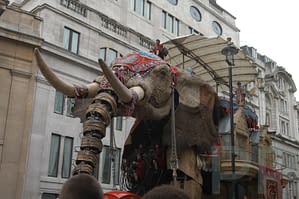
Depending on the trip, planning for potential on-the-fly changes is important—sometimes crucial. Having a pre-planned alternative can save you time, money, and stress when something goes sideways. (If you see an elephant in Picadilly Circus, you might need a change of plans!) You should also consider alternatives in case your mood changes during the trip (e.g., you suddenly want a low-key day). Knowing what a change will entail beforehand, even in the middle of your trip, cuts down on anxiety and lets you get back to enjoying your vacation. (In our guide on travel contingency planning, we discuss this important extension to your base itinerary.)
Those activities you had to cut out in previous steps due to scheduling conflicts? Those are often the perfect candidates for contingency plans!
You can’t anticipate absolutely everything, but a well-thought-out itinerary, complete with details, will give you a major head start when you need to re-plan. Knowing the route, the general distances, which towns have accommodations, and what alternative sights are nearby reduces stress and keeps mishaps to a minimum.
Travel Itinerary Planning FAQs
How detailed should a travel itinerary be?
A travel itinerary should be detailed enough to reduce stress, but flexible enough to adapt when plans change. Focus on logistics, priorities, and realistic pacing rather than scheduling every minute.
Is it better to plan a trip step by step or stay flexible?
Both. Effective itinerary planning isn’t linear—you’ll move back and forth between ideas, logistics, and details. A good plan provides structure while leaving room for spontaneity.
What should be booked in advance when planning an itinerary?
Anything limited, high-demand, or central to the trip—such as flights, major transportation, or must-do activities—should be booked early. Other details can often stay flexible, depending on the destination and season.
Why is contingency planning important when building an itinerary?
Contingency planning helps you adapt quickly when weather, logistics, or energy levels change. Having alternatives in mind reduces stress and keeps small disruptions from derailing your trip.
Final Thoughts: Building an Itinerary That Works for You
We’ve found that building an amazing travel itinerary saves us money and makes our trips much more efficient. If that were the only benefit, it would still be worth the effort! But the real, game-changing value is the sheer joy and enhanced experience you get from the research, preparation, and anticipation (not to mention that the planning itself can be a lot of fun).
We put this process together to make trip planning feel easier and more accessible, not to make it seem overwhelming or complicated. Yes, a great trip takes focus and time, but most serious travelers genuinely enjoy the work! If you’re a natural planner, you might be tempted to follow this guide step-by-step, but remember: this is a flexible, general approach to building an amazing itinerary, within your own limits, not a rigid process.
Let us know what you think! Did we miss anything? What planning hints do you love? We’re always looking to improve our guides, so send us an email: [email protected]. We’d love to hear from you!