Toledo, Spain rises from a bend in the Tagus River like a fortified memory. From a distance, cathedral towers and the Alcázar dominate the skyline. Up close, the city narrows into cobbled lanes, thick stone walls, and doorways worn smooth by centuries of hands.
Just 30 minutes from Madrid by high-speed train — or about an hour by car — Toledo is one of Spain’s most rewarding destinations. It’s easy to reach, but it feels removed from modern Spain in the best possible way. Cathedral towers, fortress walls, and stone streets that have carried footsteps for centuries create a fairytale vibe.
The high-speed train from Madrid to Toledo takes about 30 minutes. You can check schedules and book tickets in advance on Klook.
Affiliate disclosure: This article may contain affiliate links. We only recommend services we’ve used and trust. If you book through our links, we may earn a small commission at no extra cost to you — which helps keep Panoramic Pathways running.
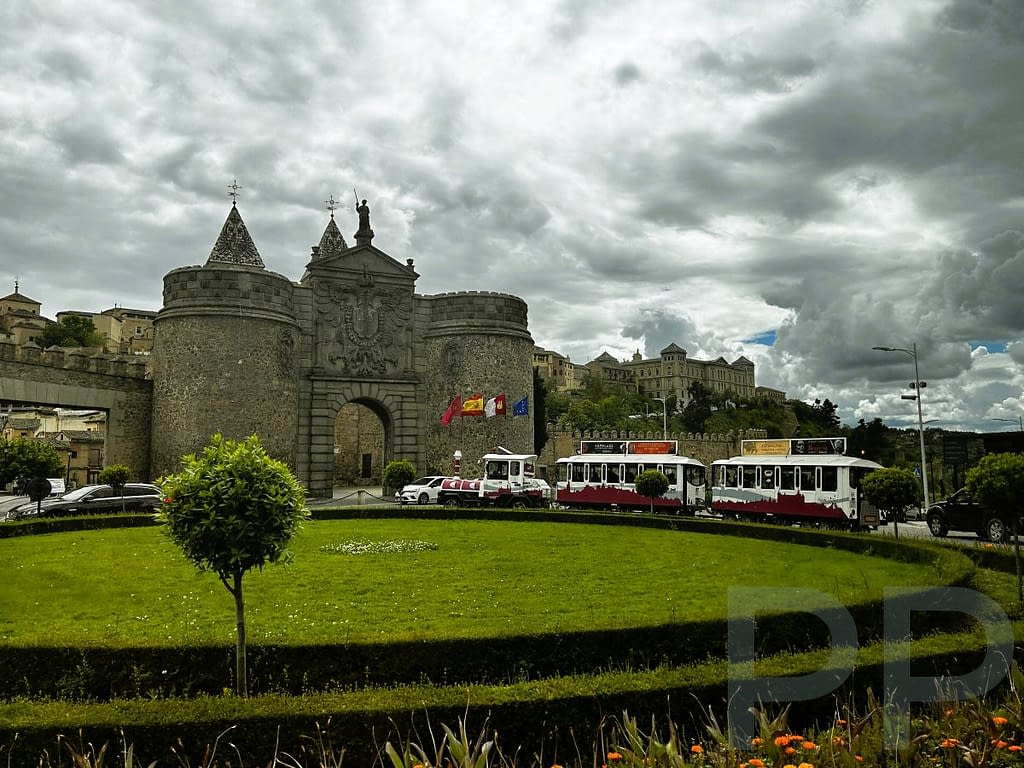
Some visitors come for half a day and see the essentials. Others stay overnight and discover that Toledo changes once the day-trippers leave and the lantern light settles across the cobblestones.
Both approaches work — if you plan intentionally. Toledo is compact, but dense. The monuments sit close together, yet the streets twist and climb. It’s a city that rewards thoughtful sequencing rather than rushing from site to site.
Handled well, Toledo unfolds naturally — monument to alley to cloister to café — without feeling overwhelming or over-planned. The streets climb and dip. Distances look short on a map but feel longer on your legs. And the history is intertwined in ways that deserve more than a rushed half-day.
This guide walks you through how long to stay, what to prioritize, and a logical route through the historic core.
How Long to Spend in Toledo (And What to Prioritize)
If you’re coming from Madrid, Toledo is easy to reach — but how long you stay changes the experience.
Four hours allows you to see the Cathedral and a few key highlights.
Six to eight hours makes for a satisfying, unhurried day trip.
An overnight stay gives you the city after dark — and that changes everything.
Toledo has roughly 85,000 residents, but only a small portion live within the historic walled core. Inside the old city, the atmosphere feels monumental rather than residential. Stone façades press close to narrow streets. Churches appear unexpectedly. Courtyards hide behind heavy wooden doors.
By evening, when day-trippers leave, the mood shifts. The city grows quieter. Lantern light warms the limestone. The streets echo differently. It becomes unexpectedly romantic — and that alone can make an overnight worthwhile.
If You Only Have a Few Hours
If you’re visiting as a half-day trip from Madrid, focus on depth over distance. With limited time, these are the experiences we’d prioritize:
1. Toledo Cathedral
The Gothic masterpiece at the heart of the city is not optional. Even if you don’t tour every chapel, step inside. The soaring nave, the gold-drenched altar, and the dramatic El Transparente make this one of Spain’s most impressive religious interiors. Plan for at least 45–60 minutes. If you’re feeling energetic, climbing the tower rewards you with excellent views.
2. Wander the Jewish Quarter
Toledo’s identity was shaped by centuries of Christian, Jewish, and Muslim influence. The winding lanes here make that interwoven history tangible. If time allows, step into Sinagoga del Tránsito or Santa María la Blanca — both architecturally striking and historically significant. Even without formal stops, simply walking is part of the experience.
3. Alcázar of Toledo (Exterior or Museum)
Dominating the skyline, the Alcázar anchors the city visually and historically. Today it houses the Army Museum. If military history interests you, go inside; otherwise, admire the exterior and surrounding square.
4. Plaza Zocodover and the Medieval Streets
Pass through Plaza Zocodover, Toledo’s historic gathering place, then allow yourself time to wander. Toledo reveals itself in the in-between spaces — stone archways, carved wooden doors, glimpses of courtyards, and sudden valley views.
Even with just a few focused hours, you’ll leave with a strong sense of why Toledo matters — not just as a beautiful city, but as a place where Spain’s centuries-deep story feels present under your feet.
A Practical Tip for Visiting Multiple Monuments
If you plan to visit four or more of Toledo’s smaller historic sites, consider purchasing the Pulsera Turística (tourist bracelet). The bracelet is typically more economical than buying individual tickets, and it streamlines entry as you move from one monument to the next.
It bundles admission to key monuments including:
- Monasterio de San Juan de los Reyes
- Santa María la Blanca
- Sinagoga del Tránsito
- Iglesia de Santo Tomé (home to El Greco’s Burial of the Count of Orgaz)
- Iglesia de los Jesuitas
- Real Colegio de Doncellas Nobles
You simply purchase the bracelet at the ticket desk of the first participating monument you enter — there’s no central office and no need to arrange it in advance.
What Toledo, Spain Is Famous For
City of Three Cultures
Christians, Jews, and Muslims lived here in shifting periods of coexistence. Toledo became a major medieval intellectual center, though violence in 1391 and the 1492 expulsion of Jews deeply reshaped the city’s history. The surviving synagogues are both beautiful and historically complex.
Steel
Toledo blades have been prized since Roman times for their strength and flexibility. Sword-making remains part of the city’s identity today.
El Greco
The painter made Toledo his home. His elongated, spiritual style feels almost born from the city’s dramatic light and steep streets.
Marzipan
An almond-and-sugar sweet dating back to convent kitchens — and still one of Toledo’s most iconic treats.
A Suggested Walking Route Through Toledo
The historic core is walkable, but thoughtful sequencing helps avoid unnecessary backtracking. The core monument loop covers roughly 2 kilometers, though elevation makes it feel longer. If you add the descent to the river and a bridge crossing, expect approximately 4.5 to 5.5 km total.
Look For: Mudéjar Details
Mudéjar architecture reflects Islamic artistic influence under Christian rule, blending decorative brickwork, plaster carving, geometric patterns, and horseshoe arches into otherwise Christian buildings. As you walk Toledo’s streets, look for the distinctive keyhole-shaped (horseshoe) doorways and arched openings — small but unmistakable reminders of the city’s cultural history.
Start at Plaza de Zocodover
Plaza de Zocodover has been Toledo’s central gathering place for centuries. Historically it hosted markets, festivals, and even public spectacles. Today it functions as the city’s informal front door.
Its name traces back to the period of Muslim rule, when animals were traded here in what functioned as the city’s main market square.
It’s not the most architecturally dramatic square in Spain, but it matters because it anchors everything around it.
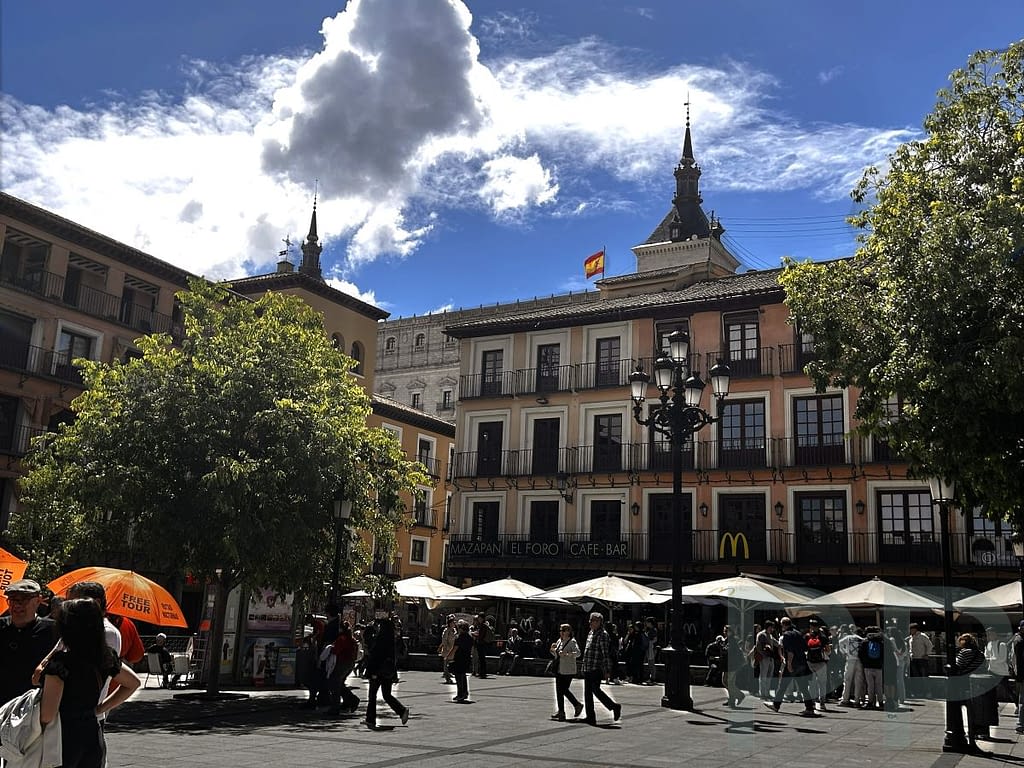
If you arrive by bus, taxi, or the outdoor escalators from the lower town, you’ll likely enter here. Take a few minutes to orient yourself. Notice how the streets radiate outward. Look uphill toward the Alcázar. Watch the rhythm of locals moving through the square.
Note: Toledo has a series of outdoor escalators (from the Safont parking area near the bus station) that carry visitors up toward the historic center, saving a steep initial climb.
Plaza de Zocodover is also practical:
- Cafés line the edges if you need coffee.
- ATMs and small shops are nearby.
- Sword shops begin appearing as you move away from the square.
- The upstairs seating at McDonald’s (which we used unapologetically) offers surprisingly good people-watching.
Zocodover works well as both your starting point and your reset point at the end of the day. It gives you space before you re-enter Toledo’s narrower lanes.
The Alcázar
Just above Plaza de Zocodover rises the Alcázar, Toledo’s massive stone fortress and one of the most recognizable features of its skyline. Today it houses the Army Museum, but even if you don’t plan to visit the museum itself, it’s worth walking up toward the building.
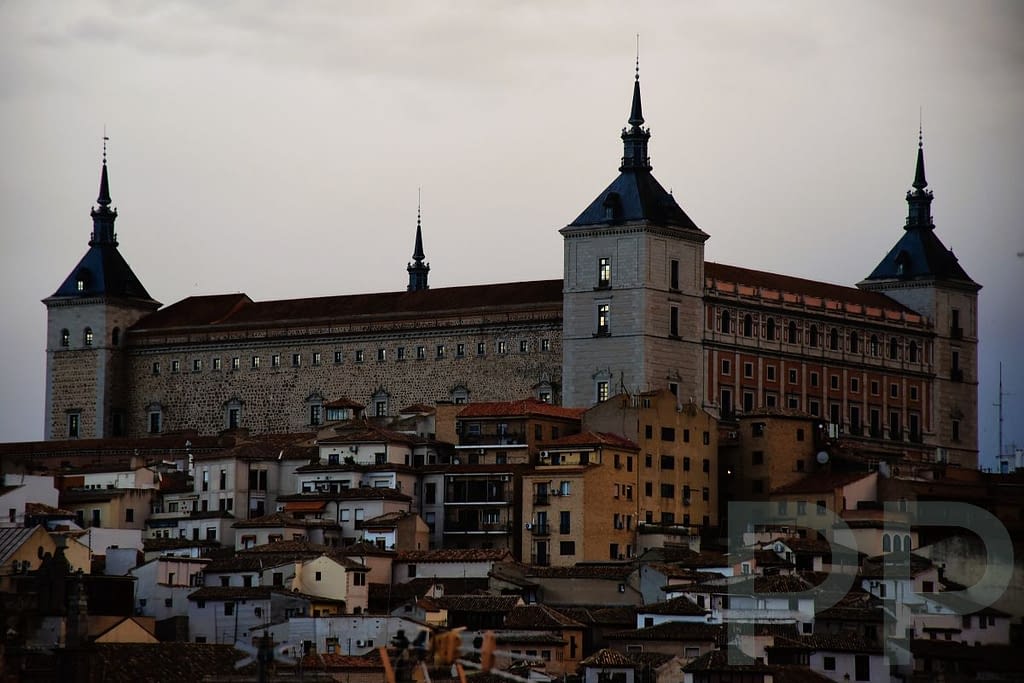
From the upper areas around the Alcázar, you get strong vantage points over the city’s rooftops and out toward the surrounding plains. It helps orient you geographically before diving deeper into the narrow streets.
If you do choose to visit the Army Museum, allow 1–2 hours. Otherwise, a short walk up for the views is enough to appreciate its scale and position.
Walk Calle del Comercio to the Cathedral
Back down at Plaza Zocodover, follow Calle del Comercio downhill toward Plaza del Ayuntamiento and the Cathedral.
Toledo Cathedral
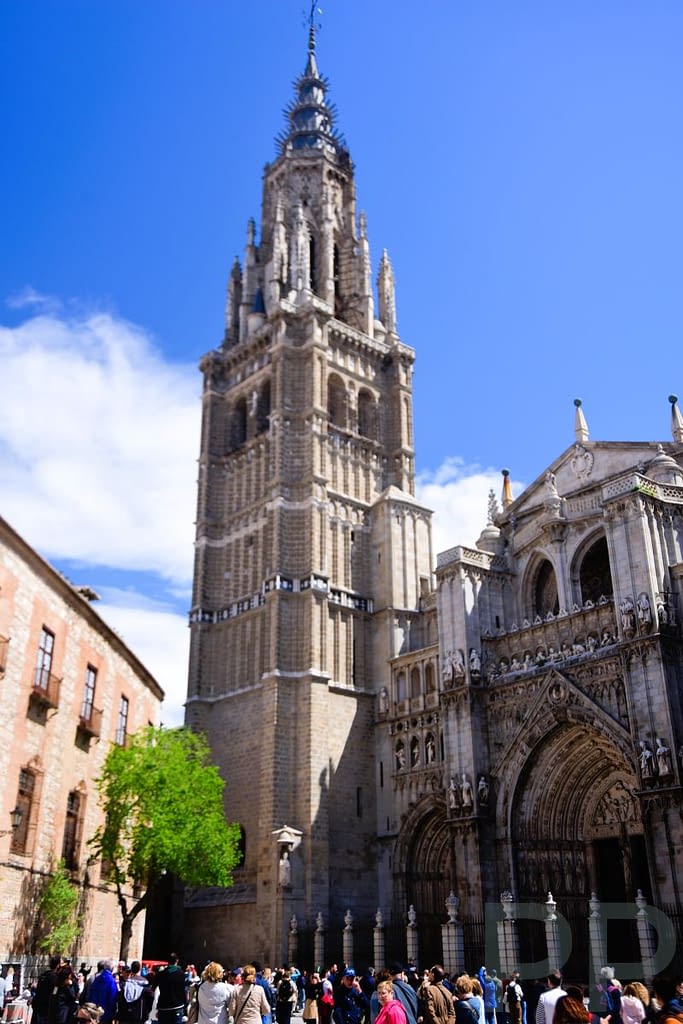
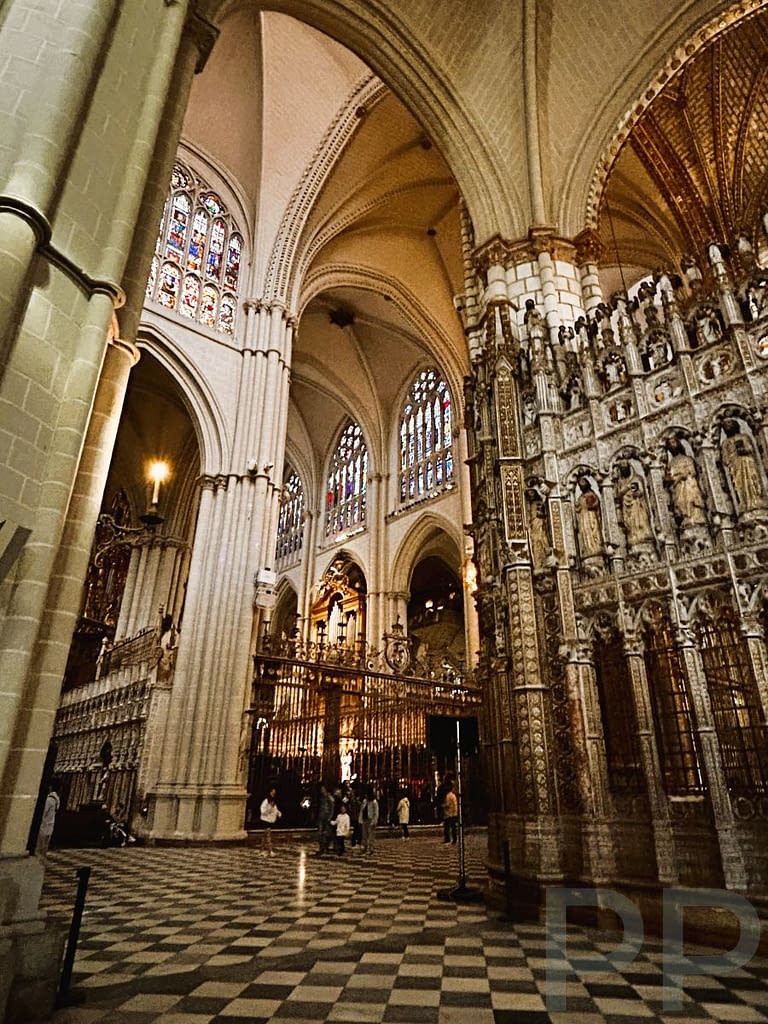
Allow at least an hour inside the cathedral. Interior highlights include:
- High Altarpiece: A towering gilded altarpiece filled with intricate carved scenes from the life of Christ — dramatic and densely detailed.
- Choir Stalls: Exceptionally carved wooden stalls, with lower panels depicting scenes from the conquest of Granada in vivid relief.
- The Transparente: A theatrical Baroque installation behind the altar that channels natural light through sculpted marble and bronze figures.
- The Sacristy: Functions like a small art gallery, housing major works including paintings by El Greco.
- French Gothic Architecture: Inspired by French cathedrals like Bourges, but shaped by distinctly Spanish and Mudéjar elements.
The tower climb, if you choose to do it, adds roughly an hour and involves narrow stone steps. It’s worth it for sweeping views and to see the “Fat Bell,” one of Spain’s largest cathedral bells. It famously cracked not long after being cast.
Note: If you are interested in climbing the cathedral tower, book that separately in advance. It requires a guided ticket and often sells out.
Backstreets and Convento de Santa Úrsula
From the cathedral area, head north into quieter lanes toward Convento de Santa Úrsula.
The area around Convento de Santa Úrsula is less about checking off another interior visit and more about atmosphere. Narrow stone lanes, thick convent walls, and a noticeable drop in foot traffic make this one of the most quietly evocative parts of Toledo. It’s a reminder that the city wasn’t just defined by its cathedral and fortress, but by a dense network of religious houses woven into daily life.
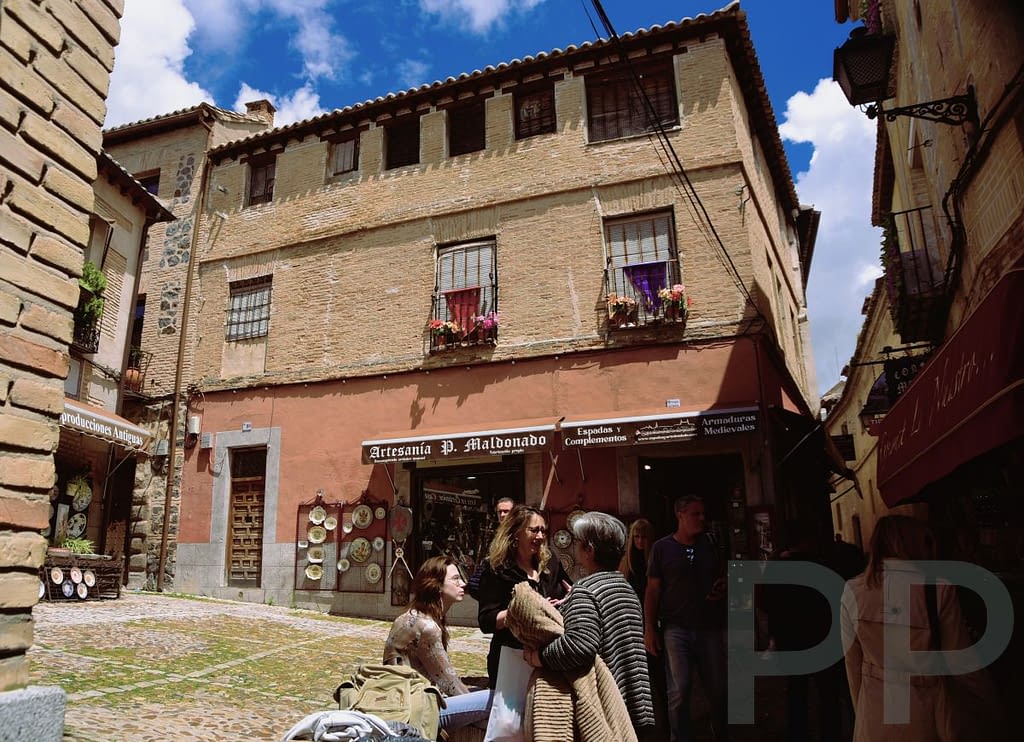
Santo Tomé
Visit Iglesia de Santo Tomé (small fee) to see El Greco’s The Burial of the Count of Orgaz, which is located just inside the door. The church is small, but the painting is one of Spain’s most important works.
The Jewish Quarter
The Jewish Quarter, or La Judería, was a concentrated neighborhood where Toledo’s Jewish community lived before 1492. Today, it remains one of the most atmospheric areas of the city.
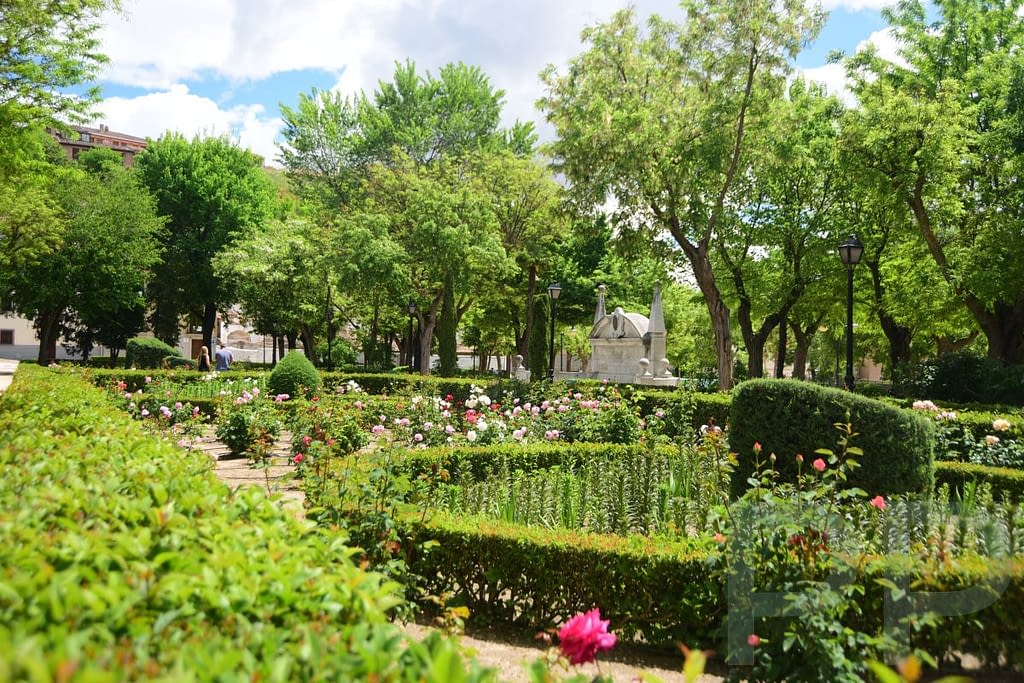
Museo del Greco
Housed in a reconstructed 16th-century-style home in the Jewish Quarter, the Museo del Greco offers context for El Greco’s life and work in Toledo. It’s a manageable visit and deepens your understanding of why the city shaped his artistic style.
In peak season, lines can form. Go early or buy your ticket in advance here.
Sinagoga del Tránsito
The 14th-century Sinagoga del Tránsito is known for its intricate Mudéjar plasterwork and Hebrew inscriptions covering the upper walls. Today it also houses the Sephardic Museum, which provides historical context for Toledo’s Jewish community before 1492. Unfortunately, it was not open when we visited.
Santa María la Blanca
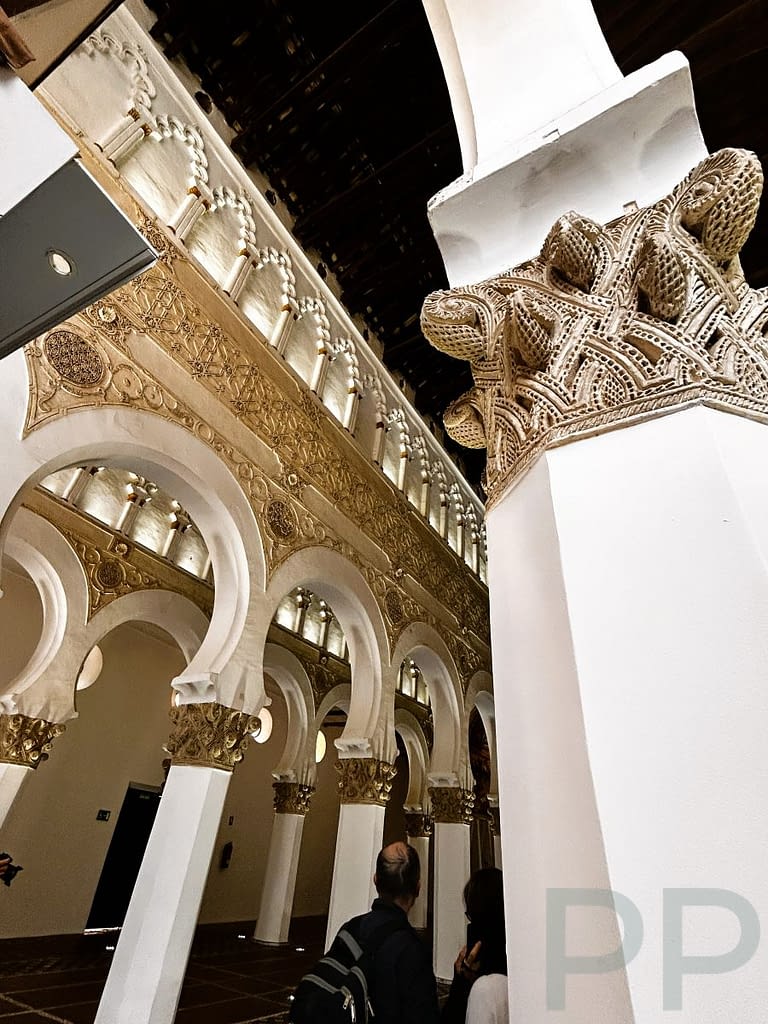
Santa María la Blanca Synagogue is graced with a striking white interior — rows of horseshoe arches supported by octagonal pillars beneath a simple wooden ceiling. The space feels serene and architectural rather than ornate, and it’s one of the most visually distinctive interiors in Toledo.
Allow 1.5 to 2 hours to move through this area thoughtfully.
Monasterio de San Juan de los Reyes
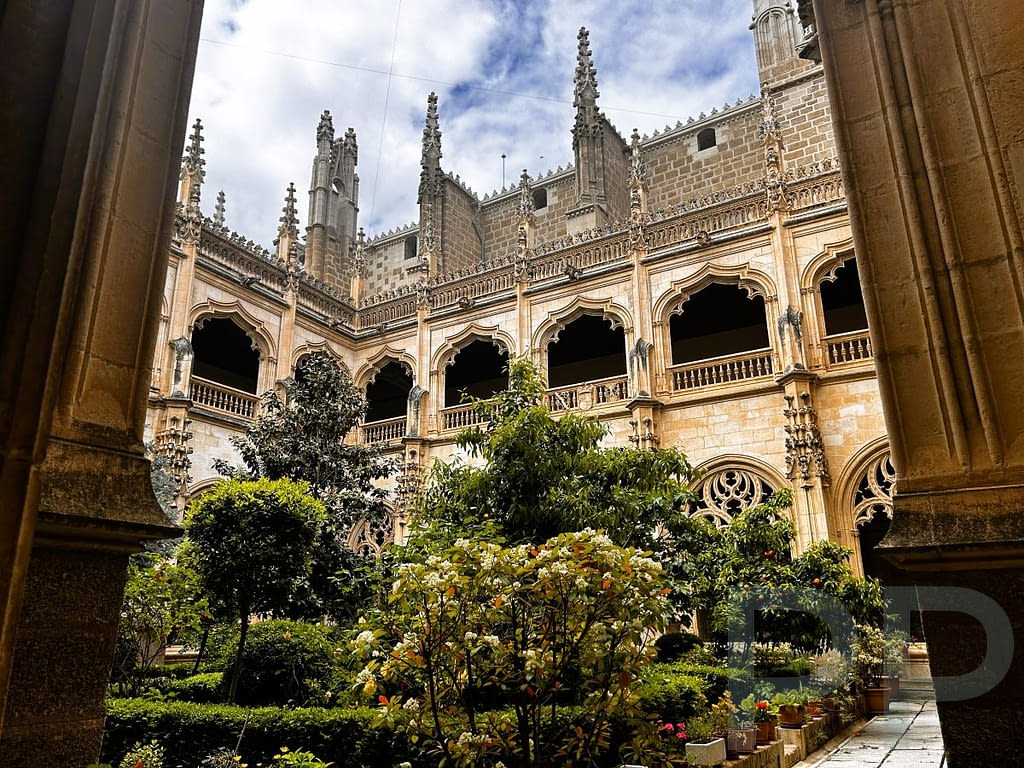
Commissioned by Ferdinand and Isabella in the late 15th century, San Juan de los Reyes is a striking example of Isabelline Gothic architecture. Visitors can walk through its two-level cloister — the highlight of the complex — where carved arches, quiet gardens, and filtered light create one of the most peaceful spaces in Toledo. This is an outstanding photo spot!
Down to the Tagus River
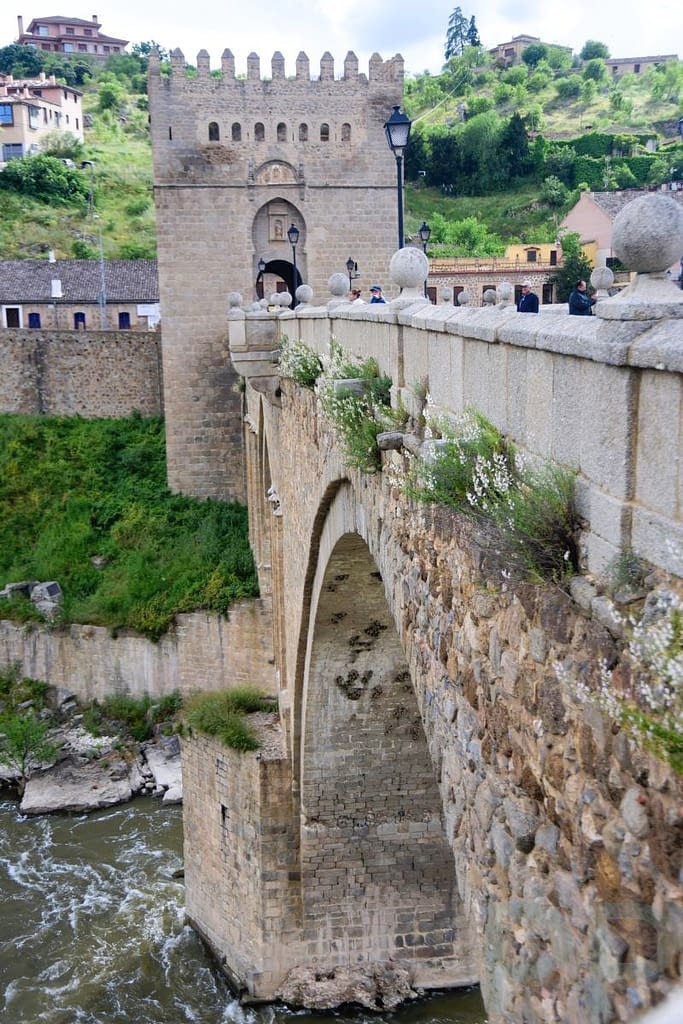
As you descend toward the Tagus — especially toward Puente de San Martín — turn around occasionally. The lower you go, the more dramatic Toledo appears, with the cathedral and Alcázar rising above a patchwork of rooftops and stone walls. From the midpoint of the bridge, you get one of the strongest side profiles of the walled city. If you have extra energy, crossing fully to the opposite side gives you a wider perspective of how tightly the river bends around Toledo, reinforcing just how naturally defensible the city once was.
It adds distance and elevation, so consider splitting it into a second half-day or morning excursion rather than forcing everything into one packed schedule.
Add-On: Mirador del Valle (Best Done by Car)
If you have a car, stop at Mirador del Valle on your way out of Toledo. It delivers the postcard panorama — cathedral and Alcázar rising above the river bend — without requiring another uphill climb on foot.
Other Activities and Tours in Toledo
If your travel style leans experiential rather than purely monument-focused, Toledo offers:
- A monument bracelet for bundled entry (pay one price for easy admission to several attractions)
- Metalworking or sword-making demonstrations
- Wine or Manchego tastings
- Guided evening walking tours (romantic!)
Where to Eat in Toledo
Toledo’s food reflects Castilla-La Mancha: hearty, pork-forward, generous, and built for people who have walked uphill all day.
Note: Spain’s dining schedule runs later than many visitors expect — lunch usually begins around 1:30 pm and dinner around 8:00 pm or later. If you arrive in Toledo early, plan on coffee and marzipan to bridge the gap before kitchens open.
Cervecería El Trébol
We ate at Cervecería El Trébol, just off Plaza Zocodover, and quickly understood why it’s one of Toledo’s most popular tapas spots. It has that lively, slightly bustling energy that tells you both locals and visitors approve. Even if there’s a short wait, tables tend to turn over quickly.
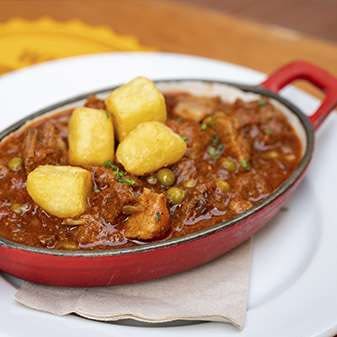
The menu leans into traditional Spanish tapas and Castilian specialties — croquetas, Manchego cheese, carcamusas (a local pork stew), and hearty small plates that are easy to share. Portions are generous, prices reasonable, and it’s an easy, unfussy place to pause between sightseeing stops. If you’re looking for a classic, centrally located lunch or casual dinner in Toledo, this is a solid choice.
Bar Restaurante Ludeña
Although we didn’t eat at Bar Restaurante Ludeña ourselves, it’s one of Toledo’s most well-known traditional restaurants — especially for carcamusas, the rich pork-and-tomato stew that’s considered a local specialty. Ludeña has been serving classic Castilian dishes for decades and is often recommended for travelers who want a more traditional, sit-down experience rather than a quick tapas stop. If tasting carcamusas in one of its most established settings is on your list, this is the place many locals point to.
Other Dining Options by Category
Splurge / Refined Evening
If you’re staying overnight and want something more elevated, Toledo does offer polished dining rooms and tasting-menu experiences. La Manuela is a well-regarded option with a refined Mediterranean approach, and there are also restaurants just outside the old walls offering panoramic views and more formal dining.
A splurge dinner pairs beautifully with an evening walk back through illuminated streets.
Good Value, Relaxed but Nice
For a step up from casual tapas without committing to fine dining, consider:
- La Fábrica de Harinas
- Taberna el Botero
- Restaurante Taberna el Gallo
These offer traditional dishes in comfortable, convivial settings.
Casual and Easy
You’ll also find plenty of informal options for tapas and quick lunches, including:
- Taberna Skala
- Restaurante Ave Fénix
- La Casa de Damasco
- Street & Soul (vegetarian/vegan)
- Barrio Taberna Moderna (cocktail-forward)
And yes, we also stopped into the McDonald’s in Plaza de Zocodover. Upstairs seating offered a quiet break and excellent people-watching through large windows overlooking the square. Sometimes something fast and familiar is simply practical.
Don’t Leave Without Marzipan
While there are marzipan shops all over Toledo, we enjoyed our visit to Mazapán Santo Tomé in Plaza Zocodover where you can build your own box. You walk along the counter selecting individual pieces — different shapes and finishes — before they package your custom assortment.
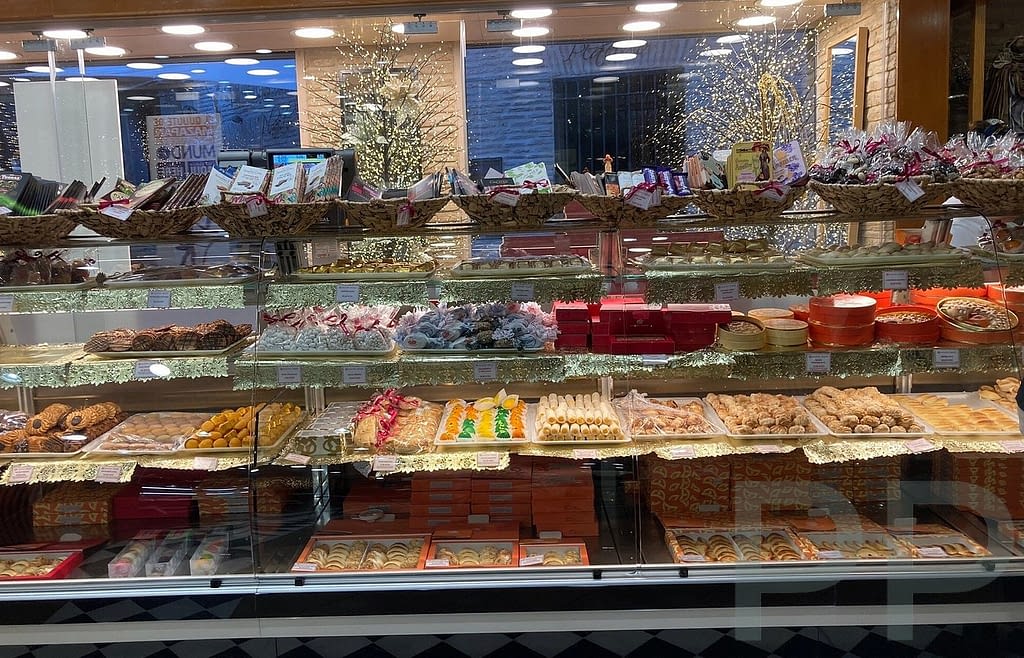
We snacked on ours throughout the day — a simple, very Toledo treat and an easy edible souvenir to take home.
Where We Stayed: Hotel Santa Isabel
We stayed at Hotel Santa Isabel (which we found on booking.com) tucked inside the historic center. It was an excellent value for location and vantage point over the rooftops of Toledo. Ask for a room with a view. Be sure to visit the rooftop terrace, a nice place to relax and unwind.
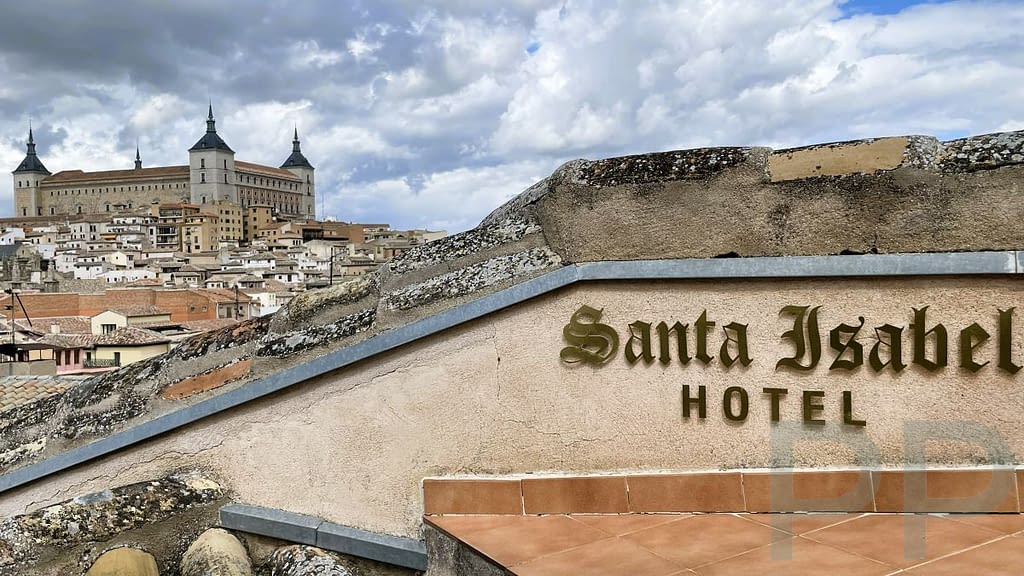
Breakfast was included and the clientele skewed mostly European.
That said, it’s important to be clear about its limitations for some travelers: rooms are small, beds are small, and it’s not air-conditioned. If you’re traveling in peak summer heat, that matters. For us, in milder weather, the trade-off was worth it for the location and atmosphere.
We drove into Toledo from Madrid. The hotel arranged parking in a nearby garage for an additional fee. Navigating Toledo’s narrow streets requires attention, but having the hotel handle the car made arrival easy. If you’re uncomfortable driving inside medieval cores, consider parking outside the walls and using the escalators or a taxi.
Final Thoughts
Toledo is one of the clearest places in Spain to begin understanding the country’s story — Christian, Jewish, and Muslim influences reflected in architecture, language, and memory. You don’t have to study it formally; you feel it as you move through the city.
This city had been on my list for years, and it delivered. The ancient history, the cathedral light, the quiet cloisters, the narrow cobbled streets — it all feels lived-in, not staged for visitors. Finally standing there after wanting to visit for so long, I knew it was worth the wait.
If you’re planning time in Spain, don’t rush past Toledo. Give it a few hours — or a night — and let it unfold.
Related Guides
Epic 3-Week Spain and Portugal Itinerary (with Maps & Tips)
Madrid: A 2-Day Itinerary For Spain’s Regal and Grand Capital
Barcelona: A Well-Paced 3-Day Itinerary
A Medieval Surprise in Western Spain: Visiting Cáceres
Ronda, Spain Travel Guide: A City Straddling a Gorge
Hiking the Caminito del Rey: Spain’s Most Thrilling Gorge Walk
Lisbon in Three Days: A Well-Paced Itinerary with Belém or Sintra