Updated January 2026
San Salvador is the vibrant capital of El Salvador and its largest city—set in a dramatic valley framed by volcanoes and lush green hills. Once known primarily through headlines, the city has changed significantly in recent years and today feels noticeably safer, more open, and increasingly welcoming to visitors.
Dynamic and full of contrasts, San Salvador blends deep history, everyday local life, and a growing modern energy that surprises many first-time travelers. The historic downtown is anchored by grand plazas, striking churches, the National Palace, and bustling open-air markets, while panoramic views await just outside the city at places like El Boquerón National Park.
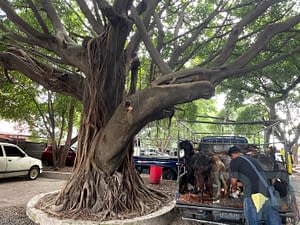
Practical travel is refreshingly simple: the U.S. dollar is the official currency, credit cards are widely accepted, and visitors from the U.S. will find getting around straightforward. Travelers willing to look beyond outdated perceptions will discover a city shaped by resilience, culture, and warm hospitality.
Note: This guide pairs well with our How to Spend a Perfect Week in El Salvador itinerary, plus our destination guides for Suchitoto, Santa Ana, Ruta de las Flores, and El Zonte—and our hiking guide for the Santa Ana volcano. Links are included at the end of this post.
Star ratings reflect our personal experience: ★★★ highlights not-to-miss standouts, ★★ marks solid worthwhile stops, ★ is an honorable mention, and unstarred places are included for context or options.
Disclosure: This post may contain affiliate links. If you book through them, we may earn a small commission—at no extra cost to you. We only recommend places and services we’ve used ourselves or genuinely believe add value to a trip.
San Salvador at a Glance
- Best for: History lovers, culturally curious travelers, first-time visitors to Central America
- Time needed: 1–2 days in the city
- Currency: U.S. Dollar (USD)
- Language: Spanish (English spoken by guides, hotel staff, and in tourist areas)
- Getting around: Uber and taxis within the city; guides or arranged transport for day trips
- Vibe: Urban, historic, evolving, welcoming
- Good to know: Private guides are very affordable compared to most major cities
Don’t Miss in San Salvador
- ★★★ Historic District walking tour – Best way to understand the city’s past and present
- ★★★ Iglesia El Rosario – Unforgettable contrast between exterior and interior; linger inside
- ★★★ Metropolitan Cathedral & tomb of St. Oscar Romero – A meaningful stop even for non-Catholics
- ★ Open-air markets near Plaza Gerardo Barrios – Everyday life on full display
- ★★ El Boquerón National Park – Easy half-day escape with proper transportation planning
Personal Experience & a Changing City
We’ve visited San Salvador twice, both times as part of mission and inner-city mercy ministry trips, which gave us a deeper, ground-level perspective on the city and its people. Returning in 2024 after an earlier visit in 2023, the change was striking.
Under new national leadership, crime has dropped dramatically—something locals spoke about openly and with visible relief. In everyday terms, we noticed far fewer fear-driven security measures: less razor wire, fewer barred storefronts, and a noticeably more relaxed atmosphere in public spaces. The difference wasn’t just statistical; it was something you could feel while walking the city.
Places of Memory & Renewal
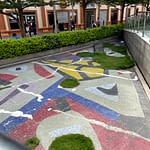
During our visits, we spent time at the Universidad Centroamericana José Simeón Cañas (UCA). The campus is home to one of the most significant memorial sites from El Salvador’s civil war.
In 1989, six Jesuit priests—along with their housekeeper and her daughter—were murdered here by military forces during the conflict. Today, visitors can quietly visit the small chapel and memorial that marks the site. The space is simple and contemplative, offering meaningful historical context and an opportunity to reflect on the country’s painful past and the role of faith, education, and conscience during the war.
We also participated in a prayer walk through Parque Cuscatlán, a large urban park set along a wide boulevard near the city center. Once a contested and neglected space, the park has been revitalized and is now actively used by families, walkers, and community groups—another visible sign of how public life in San Salvador is being reclaimed.
Seeing both San Salvador’s past and its present helps frame a visit to the historic center.
San Salvador – Historic District ★★★
The historic district is compact, walkable, and rich with history. Visiting with context makes all the difference here.
Hiring a Guide for the Historic District
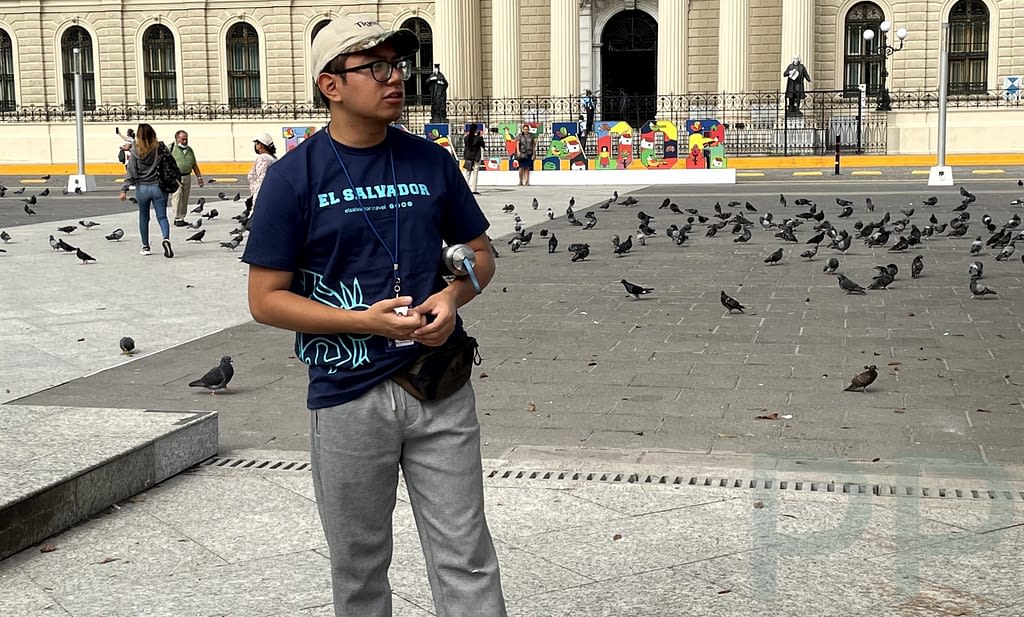
We strongly recommend touring the historic district with a guide, especially on a first visit. Our tour was led by Gerardo of Papagayo Adventures El Salvador, a licensed guide who speaks excellent English and is authorized to guide visitors throughout the country.
One of the real advantages of visiting San Salvador is that private guides are quite affordable compared to many major cities in the U.S. or Europe. Hiring a guide here adds historical context, local insight, and confidence—making it a high-value, low-stress way to explore the city.
Our recommended local guide: Gerardo is a friend, and Papagayo Adventures is a family-run tour company founded by his father. We receive no compensation for this recommendation—we share it because we’ve toured with him and trust him. If you want a guided visit in San Salvador, Gerardo is someone we confidently recommend (WhatsApp +(503)7874 5113 or [email protected] ).
Additionally, these Viator tours are a convenient option if you want to lock in activities ahead of time and avoid sold-out attractions.
Plaza Libertad ★★★
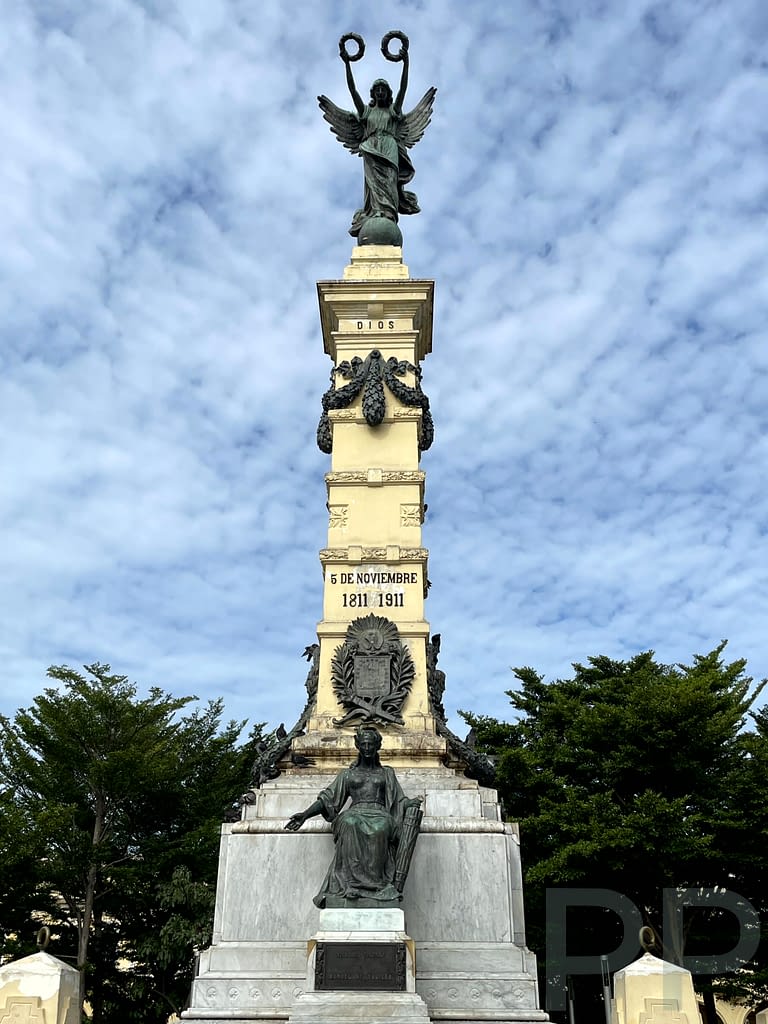
Plaza Libertad marks the geographical center of San Salvador. The plaza is crowned by a marble and bronze monument topped by the Angel of Liberty, commemorating the nation’s independence movement, which began in 1811. This is a natural starting point for a walking tour and a good place to orient yourself.
Iglesia El Rosario (Holy Rosary Church) ★★★
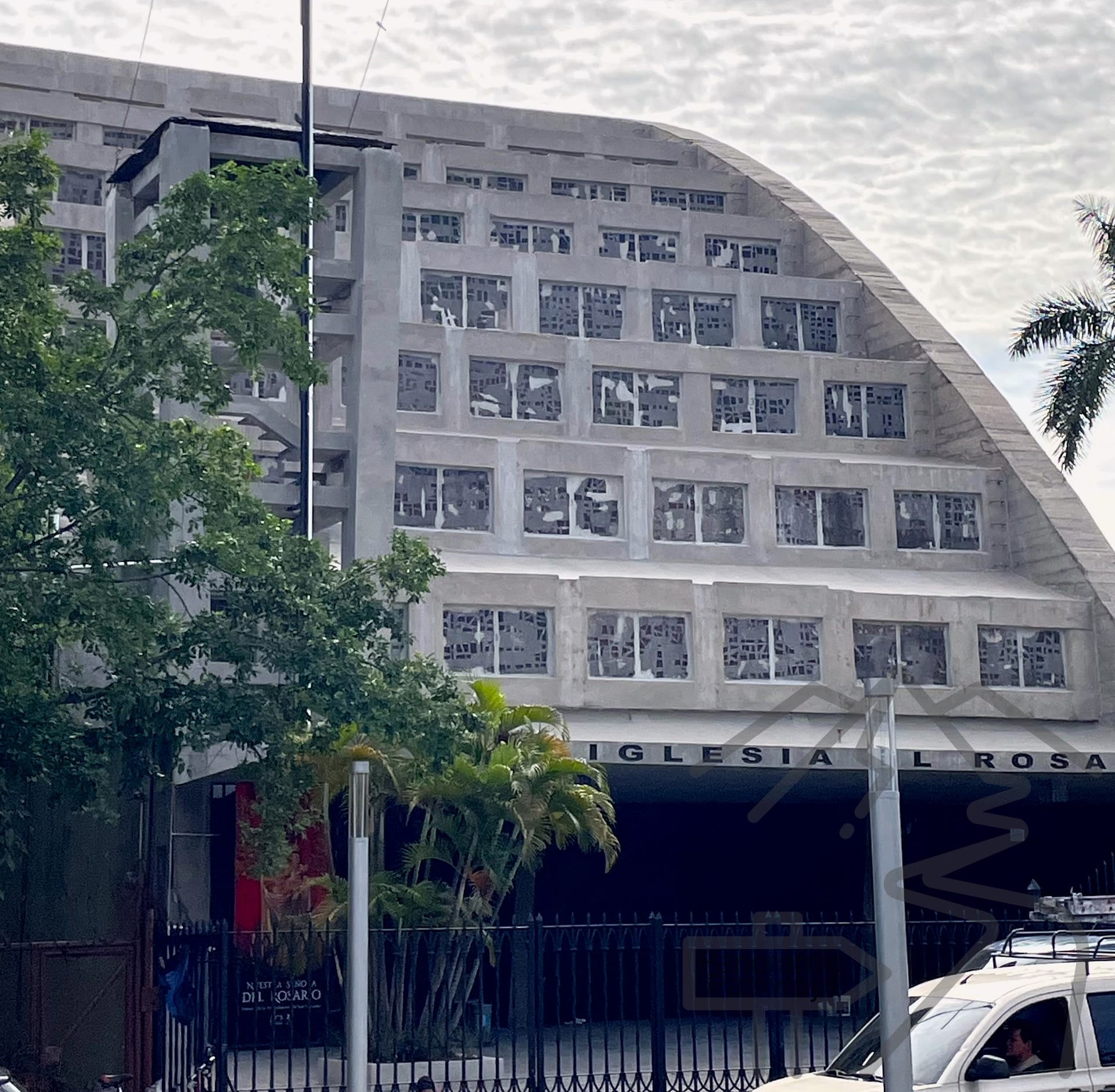
Just east of Plaza Libertad stands Iglesia El Rosario—one of the most surprising and unforgettable sites in San Salvador.
From the outside, the church is easy to overlook. Its concrete, almost bunker-like exterior gives no hint of what lies within. Step inside, however, and the contrast is immediate and breathtaking.
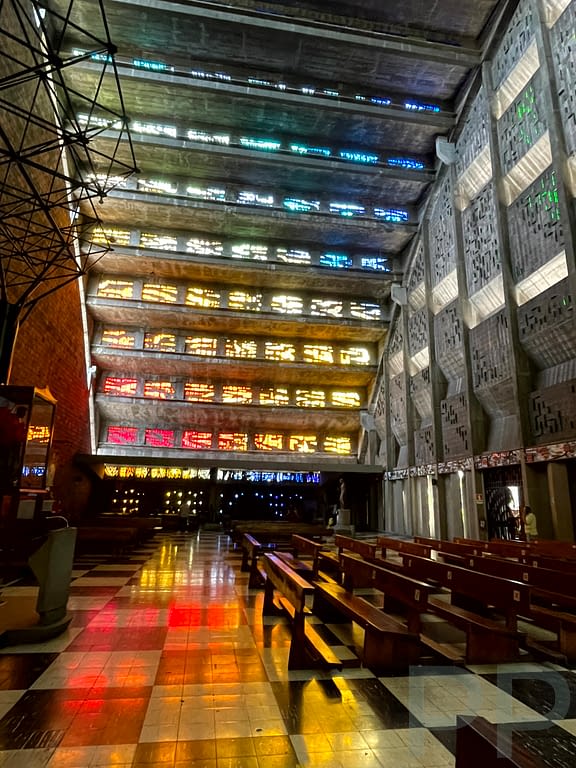
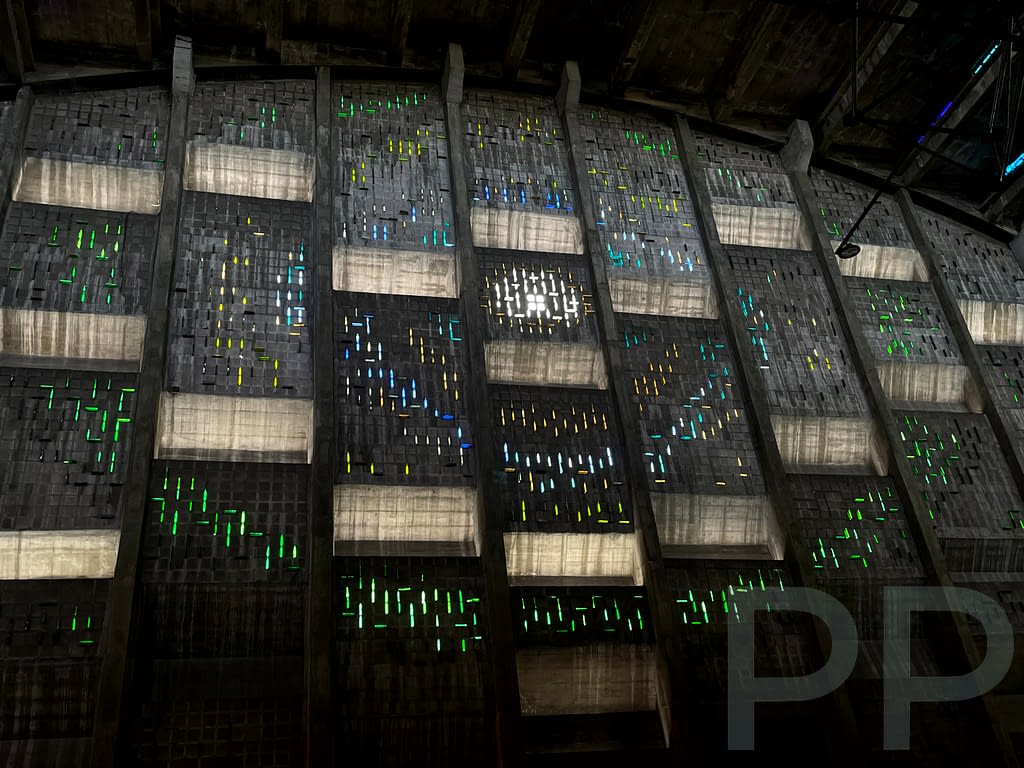
The interior is a long, sweeping space illuminated entirely by bands of stained glass that curve along the ceiling and walls. Rather than traditional figurative scenes, the glass is arranged in a full spectrum of color—from cool blues and greens near the entrance to warm reds and golds closer to the altar. As sunlight shifts throughout the day, the colors spill across the black-and-white tiled floor, creating a constantly changing display of light.
There are no pews inside the church. The open floor invites visitors to walk slowly, look upward, and experience the space almost as a living work of art. The altar is intentionally minimalist, allowing the light itself to become the focal point.
Tomb of José Matías Delgado
Iglesia El Rosario is also the final resting place of José Matías Delgado, a key figure in El Salvador’s independence movement and often called the Father of Salvadoran Independence.
This is a church worth lingering in—not just for its light and architecture, but for its place in El Salvador’s story.
Before leaving the church, look back above the entrance to spot the stained-glass Eye of God, a symbolic detail many visitors miss on their first pass.
Plaza Gerardo Barrios ★★
One block west of Plaza Libertad, Plaza Gerardo Barrios centers on a bronze statue of former president Gerardo Barrios. The plaza anchors several of the country’s most important civic and religious buildings.
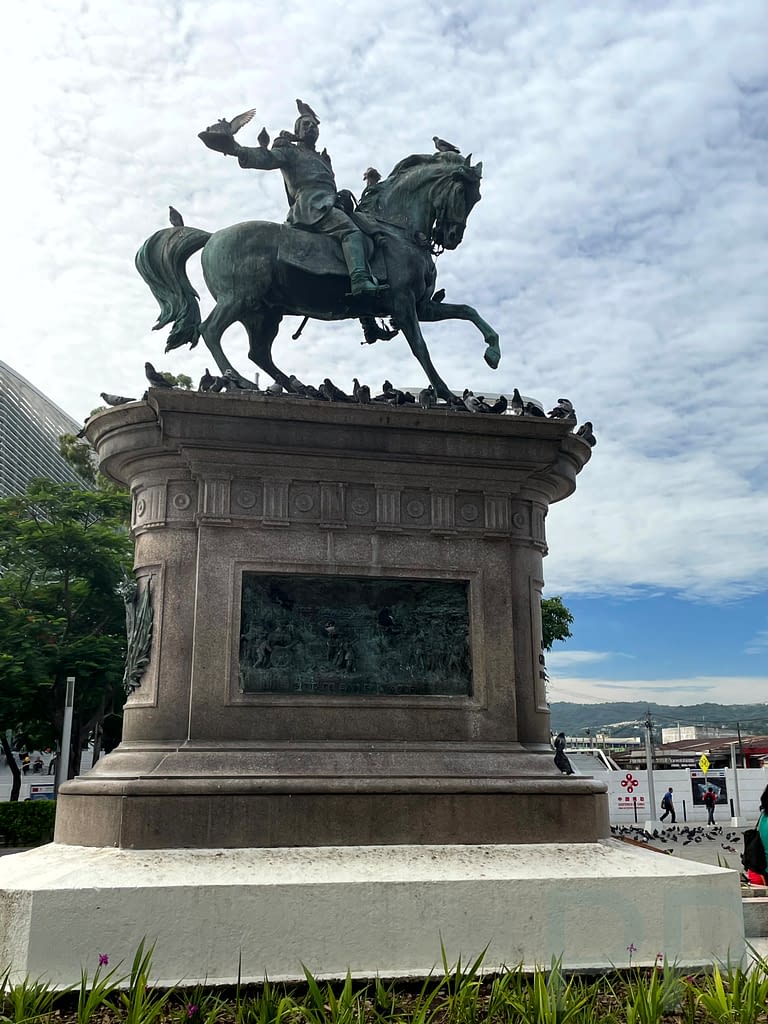
Surrounding Plaza Gerardo Barrios are the National Palace and the Metropolitan Cathedral of San Salvador.
National Palace ★★
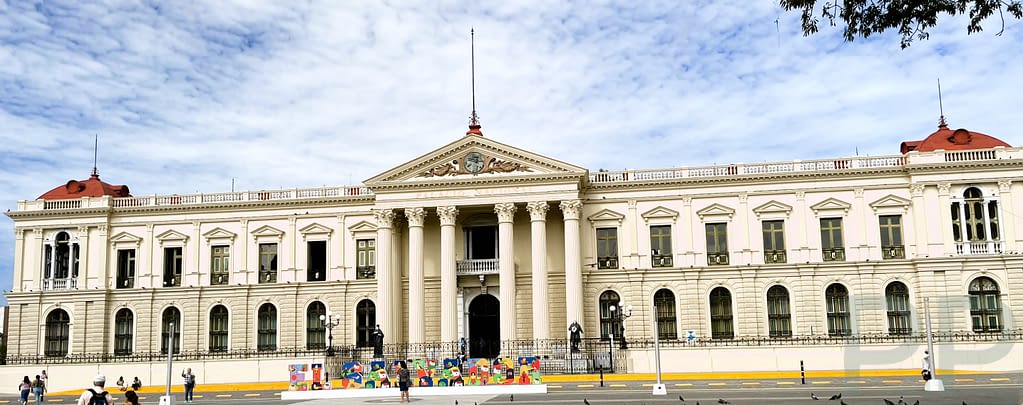
The current National Palace of El Salvador, completed in 1911, is a designated national historic monument. Set along Plaza Gerardo Barrios, it’s an impressive building and a popular photo stop.
The National Palace is open to the public through guided tours, which are typically inexpensive and offered in both Spanish and English. Tours take visitors inside the grand halls of the 1911 building—including rooms such as the Salón Azul—and provide helpful context on El Salvador’s political and architectural history. Availability and hours can vary, so it’s best to check locally or visit as part of a guided historic district tour.
Metropolitan Cathedral ★★
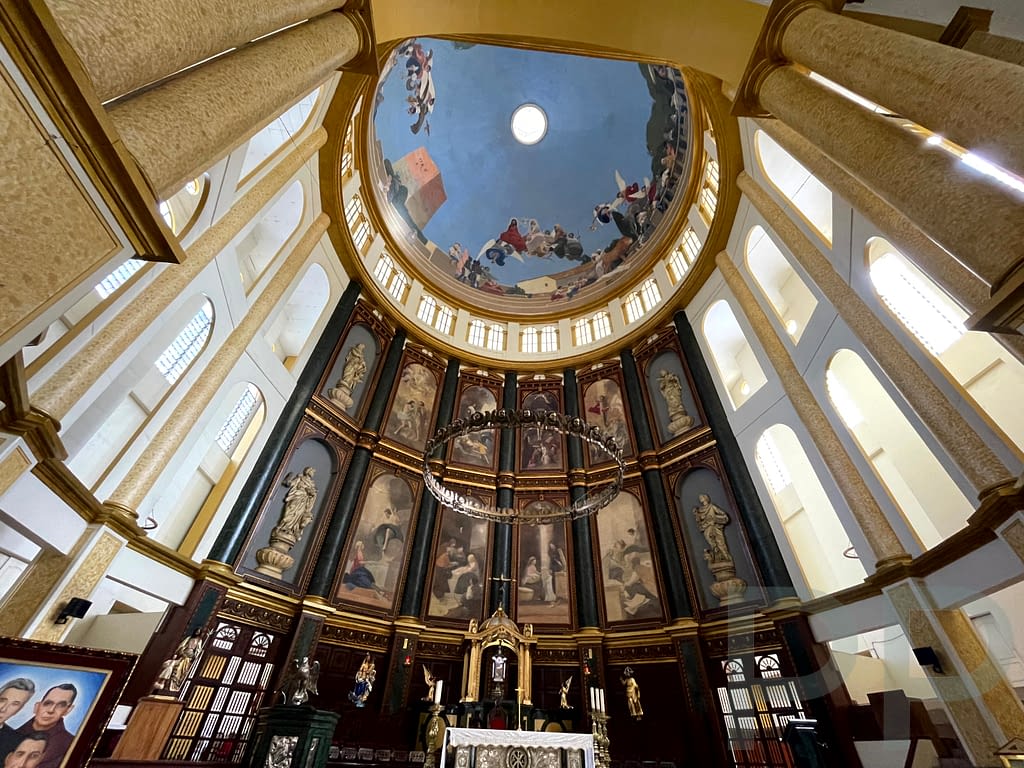
Facing the plaza is the Metropolitan Cathedral of San Salvador, an important Catholic site originally built in the late 16th century and rebuilt multiple times after earthquakes and fire.

Many visitors come to pay homage to St. Oscar Romero, a beloved Salvadoran archbishop and martyr of the civil war. His tomb is located in the crypt beneath the cathedral and can be visited during open hours. Entry to the cathedral is free.
Open Air Markets ★
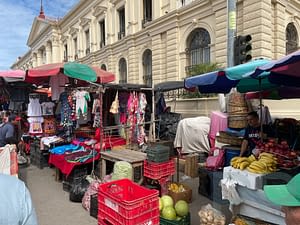
Just south of Plaza Gerardo Barrios, colorful open-air markets spill into nearby streets. Vendors sell produce, household goods, souvenirs, and inexpensive local food. A short stroll through the markets offers a vivid snapshot of daily life in the city.
August Festivities
Each year from August 1–6, San Salvador celebrates the Fiestas Agostinas, the city’s largest and longest-running festival. Events include religious observances, parades, fairs, and citywide celebrations honoring El Salvador’s namesake.
Other Places of Note in San Salvador
Between sightseeing stops, these are a few easy, practical places we found ourselves returning to.
Café Luz Negra – A relaxed, independent coffee shop in the historic district serving lattes, pastries, crepes, and light meals.
Viva Espresso – An upscale coffee bar in the San Benito area, ideal for serious coffee fans. Visit its website here.
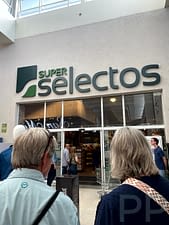
Super Selectos – A modern grocery store chain with excellent produce, bakeries, and picnic supplies.
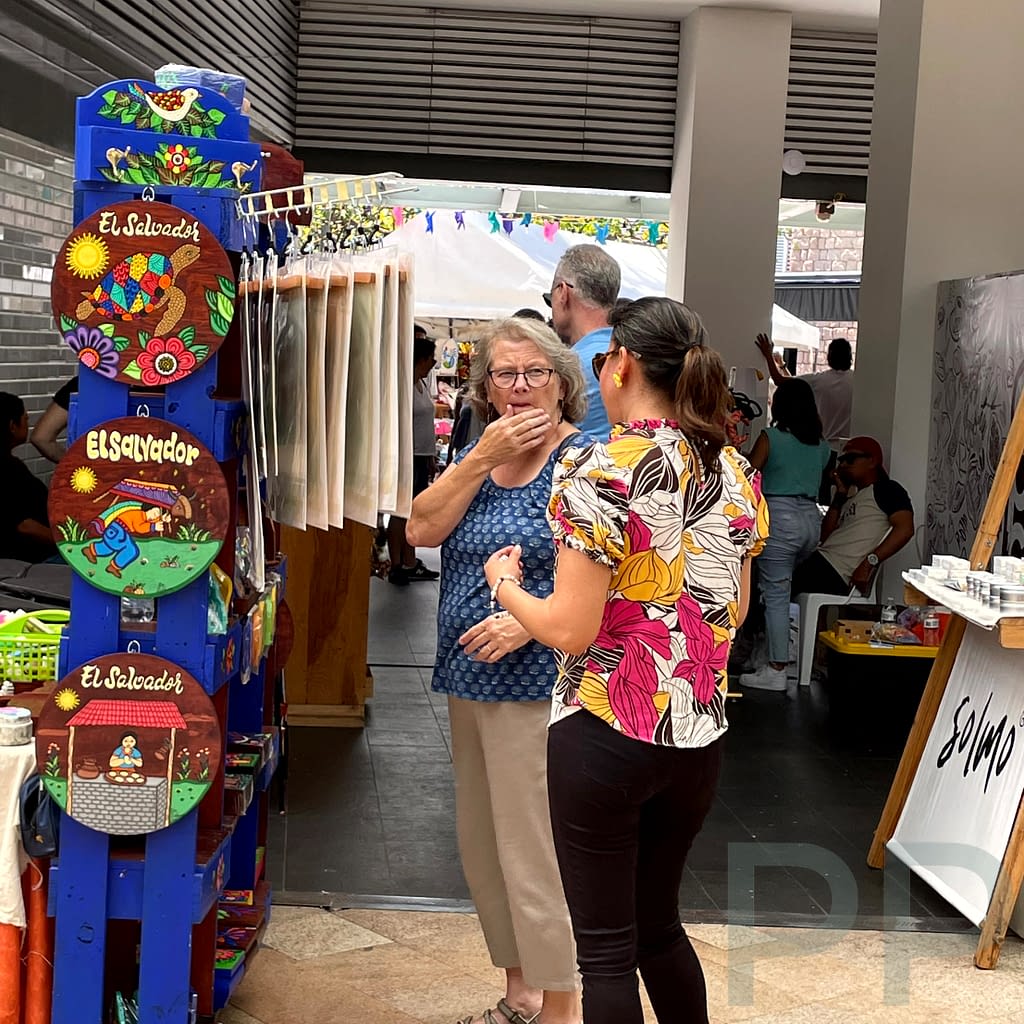
Plaza Futura – A contemporary outdoor plaza near the World Trade Center with shops, restaurants, artisan vendors, and one of the best city-and-lake viewpoints. We ate lunch in the outdoor dining area, where our server brought us menus from three different restaurants.
Where to Stay in San Salvador
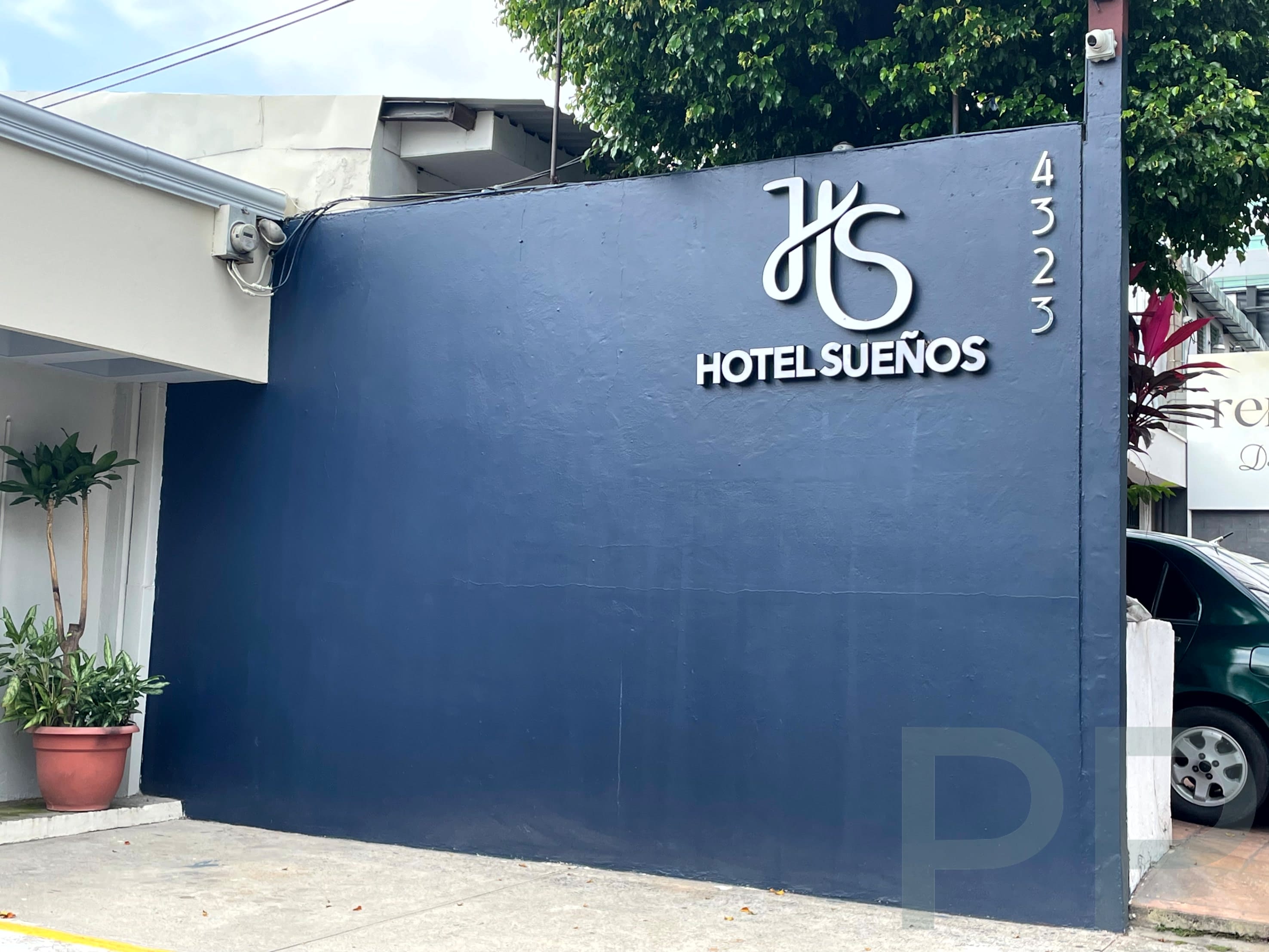
We stayed at Hotel Sueños, a comfortable, good-value hotel near the World Trade Center area. Its location, included breakfast, English-speaking staff, and easy access to shopping and dining make it a great base for exploring San Salvador.
If Hotel Sueños isn’t available for your dates, these nearby hotels offer similar convenience for exploring San Salvador.
Where to Eat in San Salvador
San Salvador offers excellent dining at all price points—and even higher-end meals are often far more affordable than comparable restaurants in the U.S. or Europe.
$$$ | Higher-End / Special Occasion
- Brutto – Contemporary cuisine, creative cocktails, and a polished atmosphere.
- La Gastroteca – Inventive, upscale dining with strong local reviews.
$$ | Mid-Range Favorites
- Hacienda Real – A reliable local favorite with generous portions and good value.
- La Rueda Steakhouse – Known for steaks and hearty meals, ideal after sightseeing.
$ | Casual & Budget-Friendly
- Delikat – Mediterranean-style café, great for lunch or a light dinner.
- Gourmandises – Popular for breakfast, brunch, and pastries.
For a quick bite, Pollo Campero is a hugely popular Central American fried chicken chain (founded in Guatemala) with locations all over El Salvador—worth trying at least once for a quick, affordable, and very local-feeling meal.
Street Food & Everyday Eats
Street food stalls are part of everyday life in San Salvador, especially around plazas, parks, and busy sidewalks. Vendors serve pupusas, tortas, fried yuca, empanadas, and fresh fruit sold in cups or small bags (bolsas de fruta or cocteles de fruta), often finished with lime, salt, or chile.
Typical drinks include Salvadoran-style horchata, tamarindo, jamaica (hibiscus), and fresh fruit juices.
Many vendors are small-scale entrepreneurs earning a living one meal at a time. In well-trafficked areas, these stalls are generally safe and widely used by locals, and stopping for a quick bite is an easy way to support local businesses while experiencing daily life in the city.
Daytrip from San Salvador: El Boquerón National Park ★★
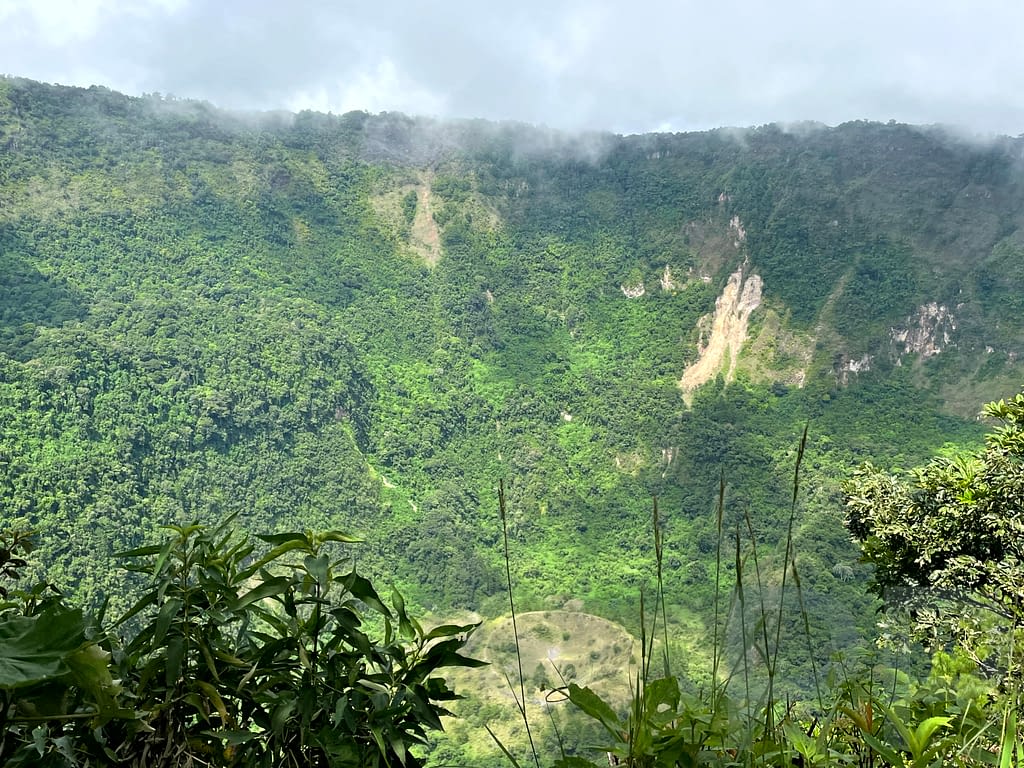
El Boquerón National Park offers several walking and hiking trails along the crater rim, with scenic views into the massive volcanic crater and across the city below. These rim trails are accessible to most visitors and make for an easy half-day trip from San Salvador.
Formed during a major eruption in 1917, the El Boquerón crater is roughly 1.5 km (nearly a mile) wide and more than 550 meters deep, leaving a vast, bowl-shaped void that feels closer in scale to a meteor impact site than a typical volcanic crater.
Hiking down into the crater may be possible under certain conditions, but access is limited and not always open to the public. If you’re interested in a more adventurous hike, check with the park’s visitor center about current trail access and whether a guide is required.
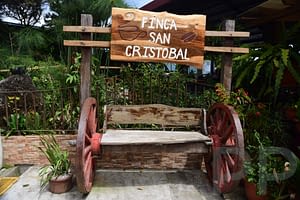
Dining Near El Boquerón Crater
After visiting El Boquerón, we stopped for lunch at Hacienda San Cristóbal, an open-air restaurant perched along the slopes of the volcano. The setting alone makes it worth the stop, with sweeping views across San Salvador and Lake Ilopango, backed by distant mountain ridges.
The menu features fresh, well-prepared dishes at very reasonable prices—another example of how affordable dining can be in El Salvador. When we visited, a generous steak lunch was around $15, making this an easy and satisfying pairing with a morning at the park.
Hacienda San Cristóbal works especially well if you’ve arranged round-trip transportation or are visiting El Boquerón with a guide, as it avoids the challenge of trying to secure a return ride from the park itself.
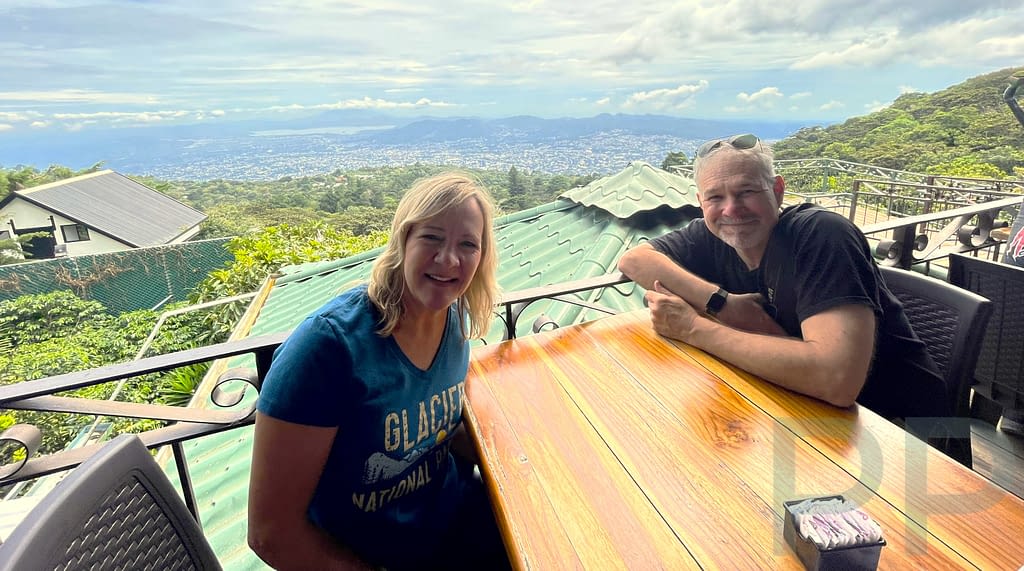
with view of San Salvador
Getting Around & Practical Tips for San Salvador
San Salvador is generally easy and affordable to navigate with a little advance awareness.
Getting around the city:
Uber is widely used, reliable, and inexpensive within the city, especially in the Historic District, San Benito, and around the World Trade Center. Short rides often cost far less than comparable trips in U.S. cities. Taxis are also available, but rideshares tend to be the easiest option for visitors.
Walking and driving considerations:
Driving in San Salvador requires a confident, defensive approach, as local driving styles can feel aggressive and rules are loosely interpreted. Downtown traffic can be heavy and chaotic, with many one-way streets.
Pedestrians do not have the right of way, so use caution when crossing roads.
If you’re driving outside the city, watch for speed bumps (túmulos), which are common and sometimes poorly marked.
Day trips and transportation planning:
Uber works best within the city proper. For places like El Boquerón National Park, it’s often possible to get a ride to the park, but securing a return ride can be difficult. Arrange round-trip transportation in advance, go with a guide, or use a taxi that agrees to wait or return at a set time.
Water safety:
Tap water in San Salvador is not considered safe for visitors to drink. Stick to bottled or filtered water for drinking and brushing teeth. Hotels and restaurants are accustomed to this and make it easy.
Overall, San Salvador remains a budget-friendly capital city, with affordable transportation, dining, accommodations, and guided tours—especially when compared with other major cities.
Restroom etiquette:
In many restrooms, especially outside major hotels, toilet paper should be placed in a bin rather than flushed—signage is usually posted, and it’s a normal local practice.
One Day in San Salvador: Guided vs. Self-Guided
Guided day (recommended for first-time visitors)
- Best for: First-timers, history lovers, short stays
- Includes: Historic District walking tour + context
- Why it works: Efficient, low-stress, great value
Self-guided day
- Best for: Independent travelers, repeat visitors
- Includes: DIY walking loop + markets + cafés
- Tradeoff: Less context; requires more prep
Our take: If you have just one day in San Salvador, we recommend a guided visit—especially for your first time.
San Salvador Travel FAQ
Is San Salvador safe to visit?
San Salvador has changed dramatically in recent years. During our visits in both 2023 and 2024, the improvement was visible and widely discussed by locals. We noticed fewer security barriers, less razor wire, and a more relaxed atmosphere in public spaces.
As with any large city, visitors should use common sense: stay aware of your surroundings, cross streets carefully, use rideshares wisely, and consider hiring a guide when exploring the historic center. Based on our experience, San Salvador today feels significantly safer and more welcoming than its outdated reputation suggests.
How many days do you need in San Salvador?
One full day is enough to see the highlights of the historic center. Two days allows time to explore at a slower pace, enjoy neighborhoods outside downtown, and add a half-day trip to El Boquerón National Park.
Is it better to visit San Salvador with a guide?
For most first-time visitors, yes. Private guides in San Salvador are very affordable compared to other cities, and they add historical context, local insight, and confidence—especially in the busy historic core. Confident travelers can explore independently, but a guided visit is an excellent value here.
Is Uber reliable and affordable?
Uber is widely used, inexpensive, and convenient within the city. However, availability can be unreliable outside central areas. For places like El Boquerón National Park, arrange round-trip transportation in advance or go with a guide.
What currency is used in El Salvador?
El Salvador uses the U.S. dollar (USD). Most travelers from the U.S. won’t need to exchange money, and credit cards are widely accepted. Small cash bills are useful for markets and tips.
Final Thoughts
San Salvador works best as both an introduction to El Salvador and a bridge to the country’s diverse landscapes and towns. Paired with our How to Spend a Perfect Week in El Salvador itinerary and related destination guides, it offers a grounded, rewarding way to experience the country with context and confidence.
Related Guides
How to Spend a Perfect Week in El Salvador
Essential Guide to Santa Ana, El Salvador
Ultimate Guide to Hiking the Santa Ana Volcano with Stay on Lago de Coatepeque