At first glance, this place looks more like the surface of another planet than a stop on an American road trip. Lava flows, volcanic cones, and hidden caves create a landscape that feels both stark and strangely beautiful.
Craters of the Moon National Monument and Preserve doesn’t feel like anywhere else in Idaho—or much of the continental United States. Established in 1924 to protect what President Coolidge famously called a “weird and scenic landscape peculiar to itself,” this vast lava field of cones, caves, and craters delivers a striking glimpse into America’s volcanic past.
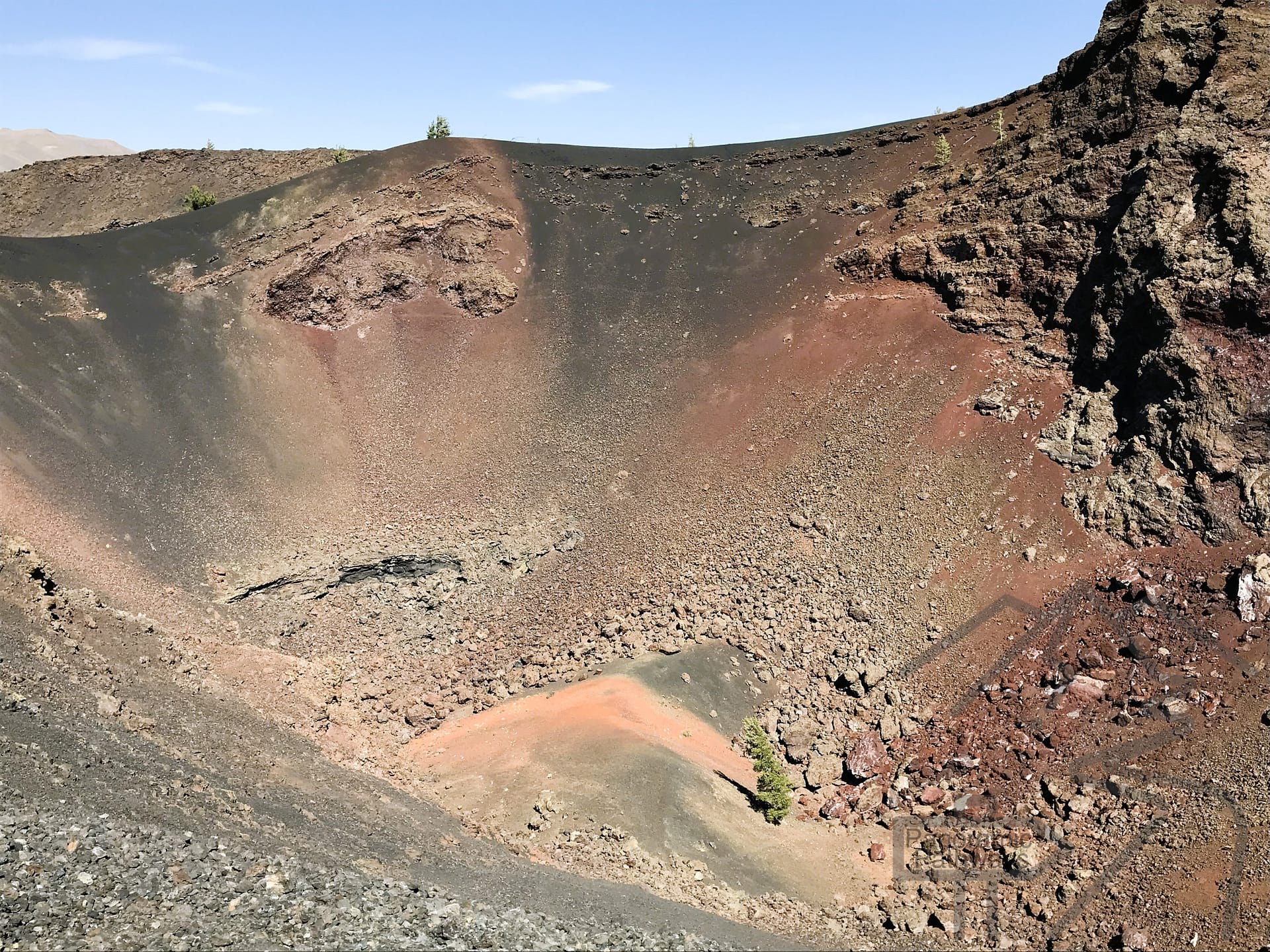
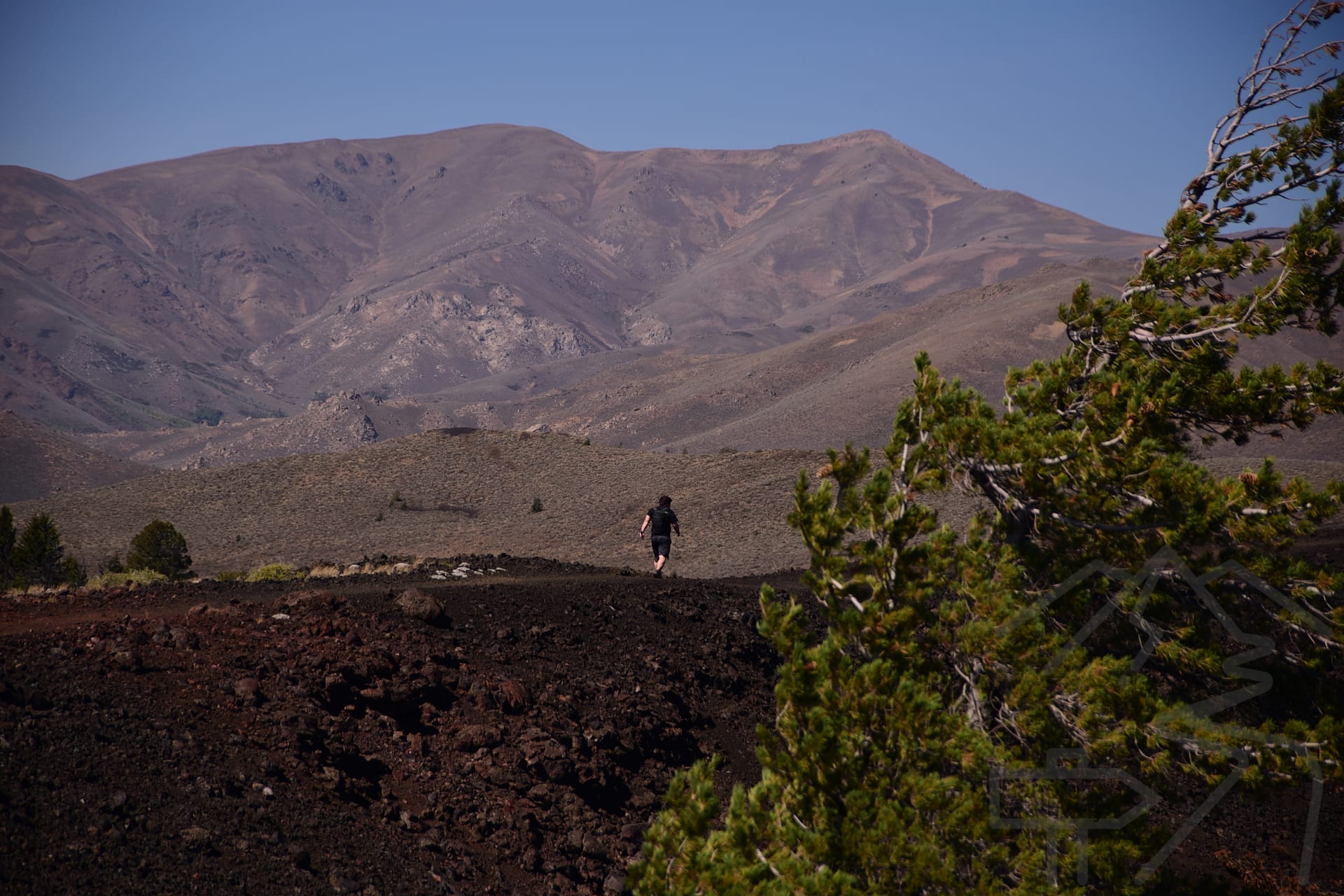
At first glance, the terrain feels almost extraterrestrial. Black lava flows stretch across the horizon, broken by cinder cones, collapsed lava tubes, and sparse vegetation that somehow survives in this harsh environment. And yet, Craters of the Moon sits just a few hours from places like Yellowstone National Park and Twin Falls, making it an easy—and surprising—addition to an Idaho road trip.
Seeing the Park: The 7-Mile Loop Road
Most visitors explore Craters of the Moon via the 7-Mile Loop Road, a scenic drive that connects the park’s main points of interest. In just a couple of hours—or a relaxed half day—you can experience the park’s highlights, with short walks and overlooks that reveal very different volcanic features at each stop.
Key stops along the loop include:
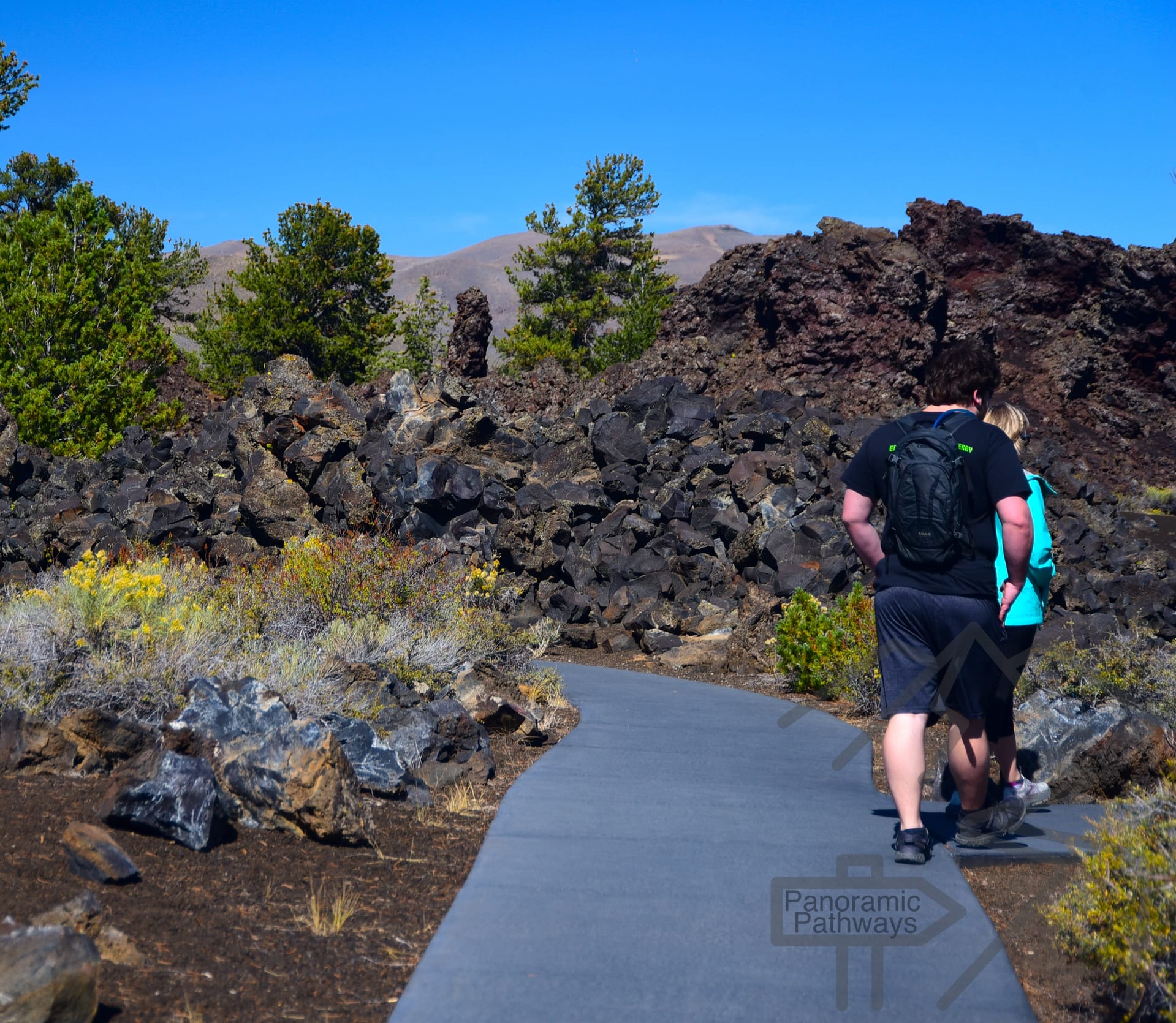
- North Crater Flow Trail, where paved paths cross smooth pahoehoe lava and bright white salt deposits contrast sharply with black rock
- Devil’s Orchard, an easy, accessible nature trail through oddly shaped lava formations
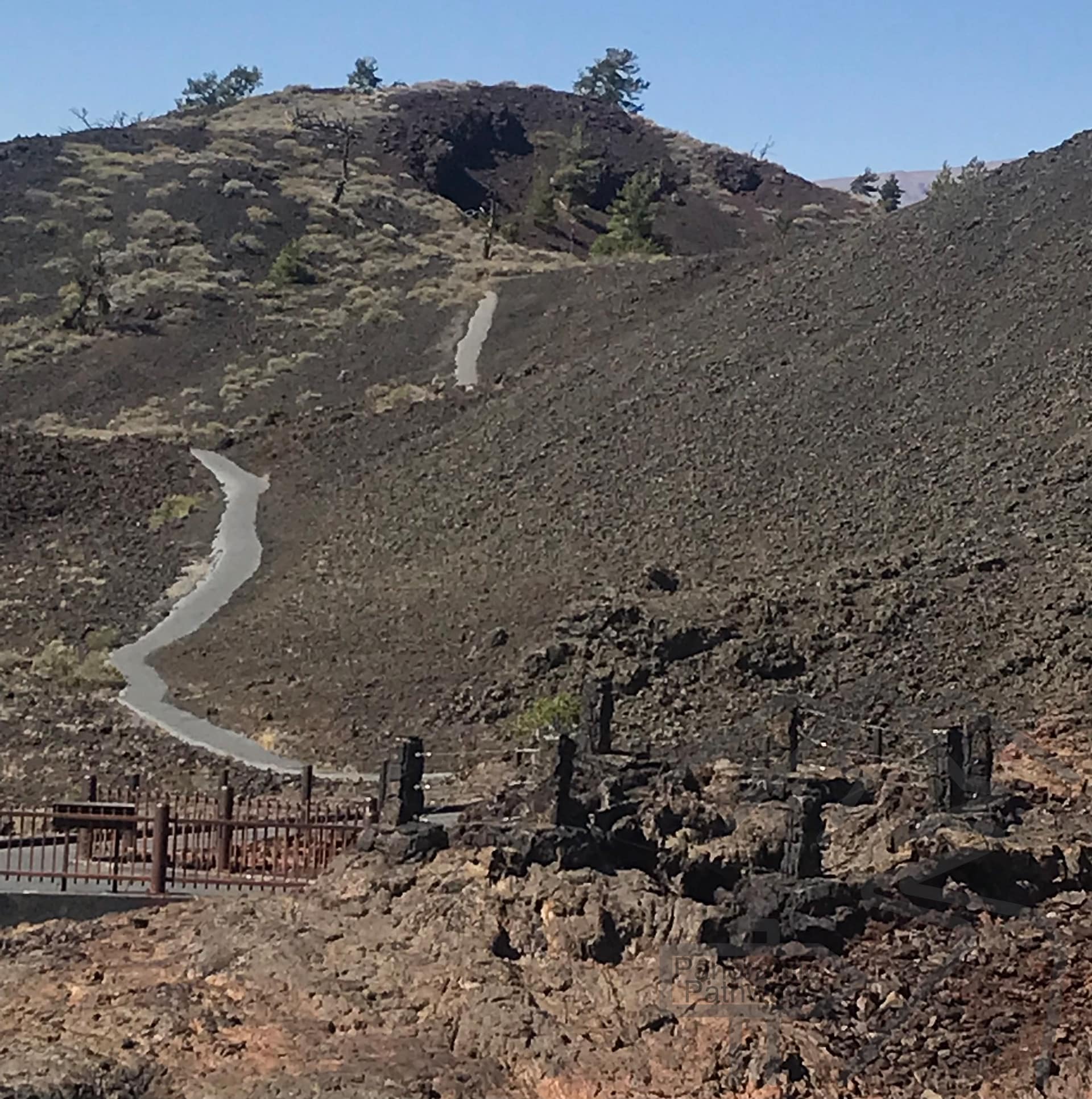
- Inferno Cone, a steep but short climb that rewards you with sweeping views of lava fields, volcanic cones, and distant mountain ranges
- Spatter Cones and Snow Cone, where you can peer directly into small volcanic vents
Hiking and Lava Formations
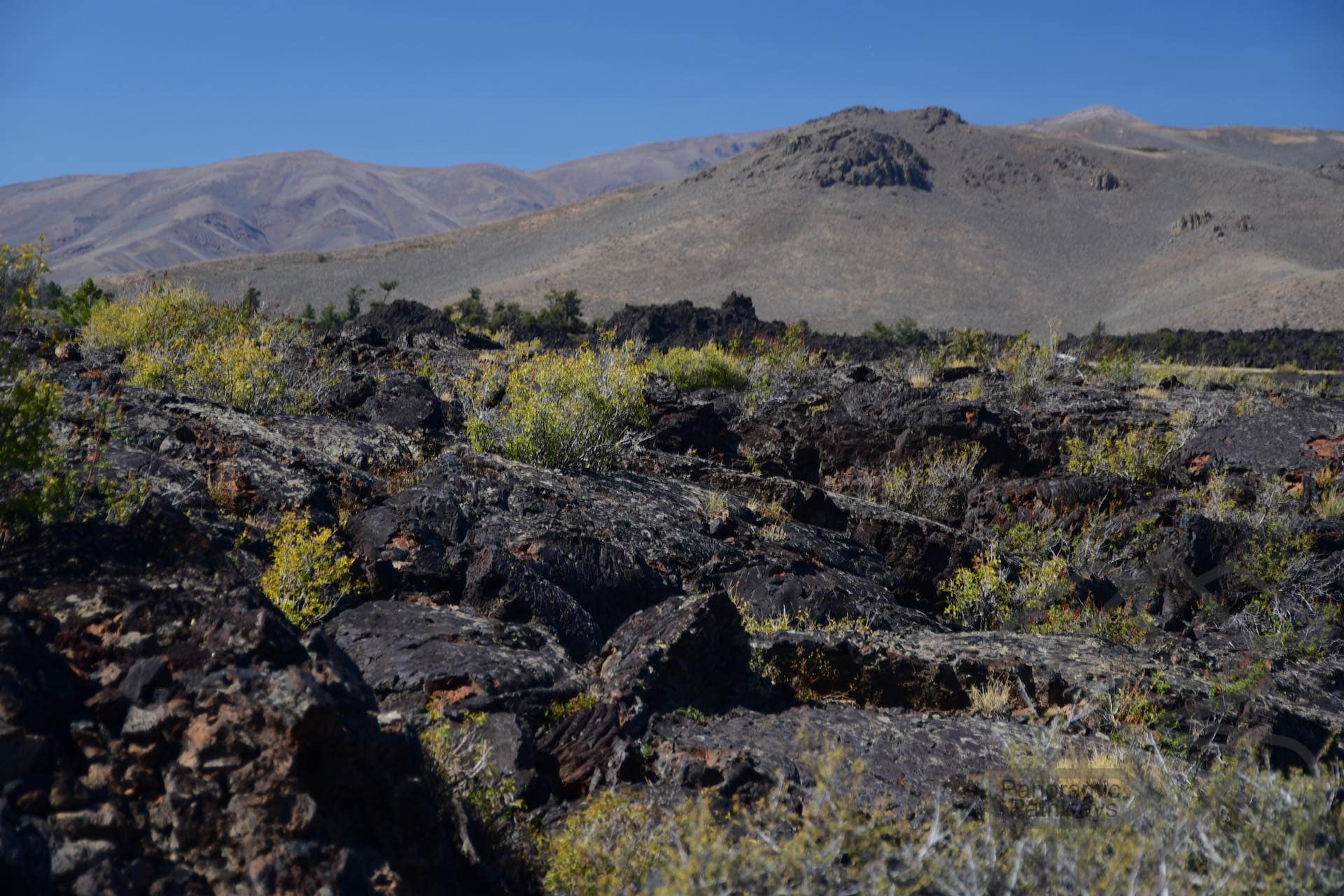
For those who want to get off the road, hiking adds depth to the experience. The Broken Top Loop Trail is a standout: a relatively flat 1.8-mile loop that showcases a wide variety of lava formations while remaining approachable for most visitors. Interpretive signs along the way make it especially rewarding for families and anyone curious about the park’s geology.
Nearby, the Tree Molds Trail illustrates how flowing lava once surrounded standing trees, leaving behind hollow casts after the wood burned away.

Exploring Lava Tube Caves
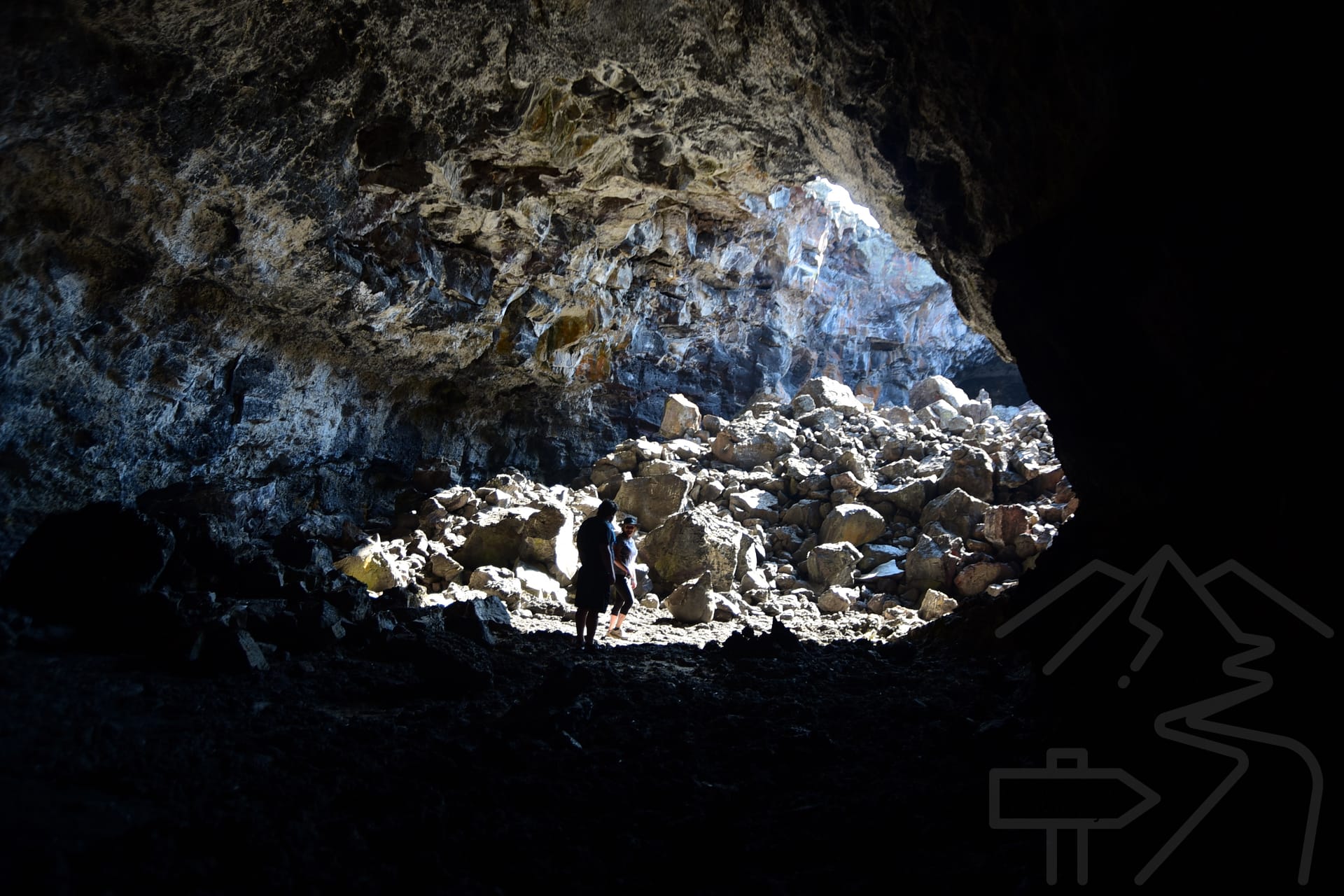
One of the most memorable features of Craters of the Moon is its lava tube caves. A short hike leads to several caves formed when molten lava drained away, leaving hollow tunnels behind. Indian Tunnel Cave, when open, is a favorite thanks to its size, natural light, and walk-through design.
Cave access changes frequently to protect bat populations, and some caves require free permits from the visitor center, so it’s worth checking conditions before you go.
Why Craters of the Moon Is Worth the Stop
Craters of the Moon is easy to underestimate—and hard to forget. Whether you’re driving through southern Idaho, building a larger regional itinerary, or simply curious about unusual landscapes, the park offers a rare chance to walk across lava flows, look into volcanic vents, and experience a landscape that feels completely removed from everyday life.
👉 For detailed trail descriptions, planning tips, and logistics, see the full Craters of the Moon guide on Panoramic Pathways.