We only spent a few hours at Mesa Verde National Park, but it was enough to convince me that we need to go back.
We had flown into Albuquerque, picked up our RV, spent the night in nearby Cortez, and planned to continue on to Canyonlands later that day. With only a few hours available, we focused on the scenic drive, overlooks, and some of the park’s most significant archaeological sites.
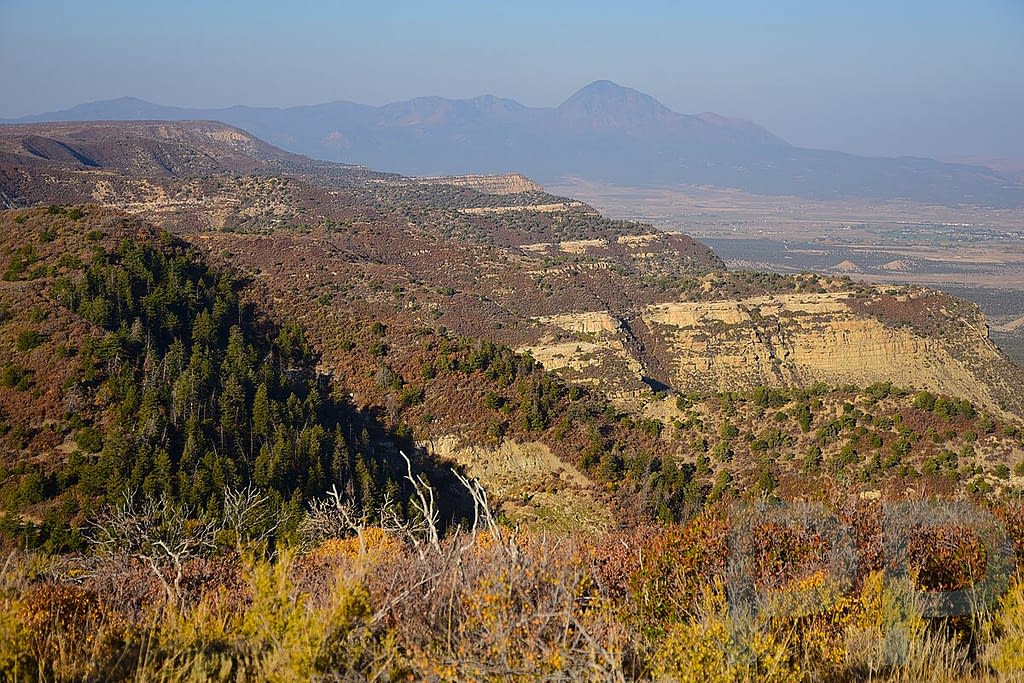
Even so, Mesa Verde ended up being one of the most thought-provoking stops of our Southwest road trip.
Travelers routinely cross oceans to see sites that are hundreds or even thousands of years old. We marvel at medieval villages in Europe, Roman ruins, and ancient temples around the world. Mesa Verde offers a chance to experience that same sense of historical depth right here in North America.
Standing before these remarkably preserved communities, it’s hard not to be impressed by the ingenuity of the people who lived, farmed, and raised families here centuries ago.
For more than 700 years, Ancestral Pueblo communities occupied these mesas and canyons, cultivating crops such as corn, beans, and squash while adapting to a challenging environment. Over time, their settlements evolved from simple pithouses into sophisticated villages and the spectacular cliff dwellings that draw visitors today. Although many communities migrated from the region in the late 1200s, their descendants remain connected to this land through modern Pueblo communities and affiliated tribes throughout the Southwest.
What struck me most was pondering that these weren’t simply archaeological sites. They were homes. Children grew up here. Families worked fields on the mesa tops, gathered water, prepared meals, and participated in community life. Long before visitors arrived with cameras and guidebooks, this was a living region filled with people building communities that endured for generations.
Today, Mesa Verde preserves one of the most significant archaeological landscapes in North America. It was the first U.S. national park established to protect cultural heritage and is also recognized as a UNESCO World Heritage Site. Together, those designations reflect the park’s importance not only to the American Southwest but to world history.
Why Visit Mesa Verde?
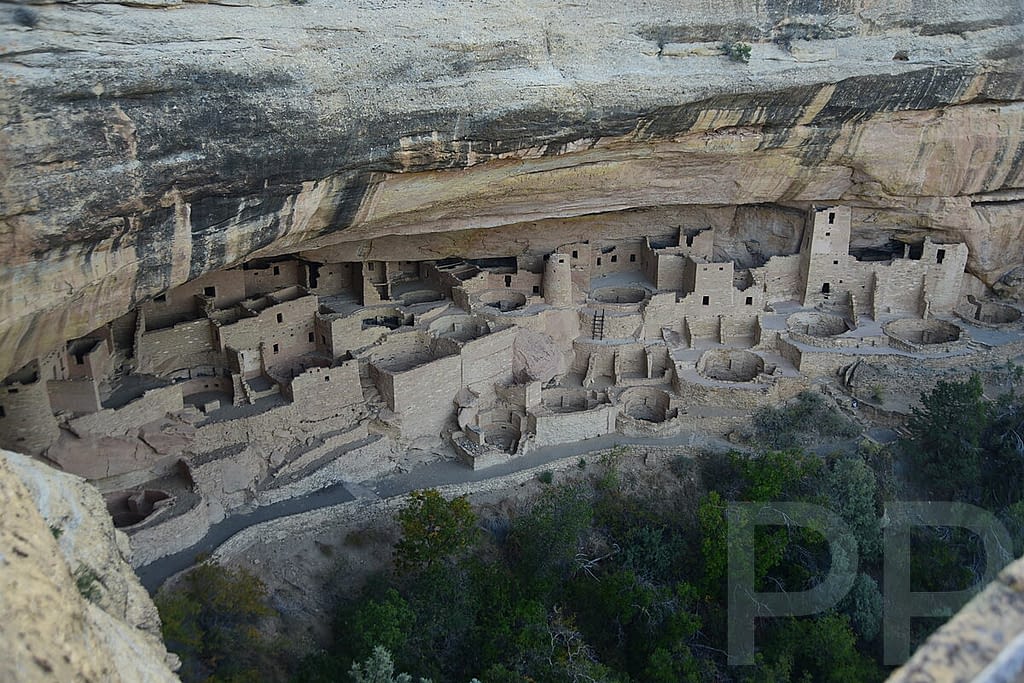
Mesa Verde isn’t the kind of park that overwhelms you the moment you arrive.
At least it wasn’t for us.
Unlike some Western parks where dramatic scenery immediately commands your attention, Mesa Verde reveals itself more gradually. The more you learn about what you’re seeing, the more interesting it becomes.
That’s especially true once you understand that the famous cliff dwellings are only part of the story.
The Ancestral Pueblo people didn’t simply appear in the cliffs. They spent centuries building communities across the mesa tops, farming the land, constructing villages, developing water-management techniques, and adapting to life in this rugged environment. The cliff dwellings visitors come to see today represent the final chapter of a much longer story.
For travelers interested in history, archaeology, culture, and the human side of the American Southwest, Mesa Verde is one of the most fascinating destinations in the National Park System.
The People Behind the Cliff Dwellings
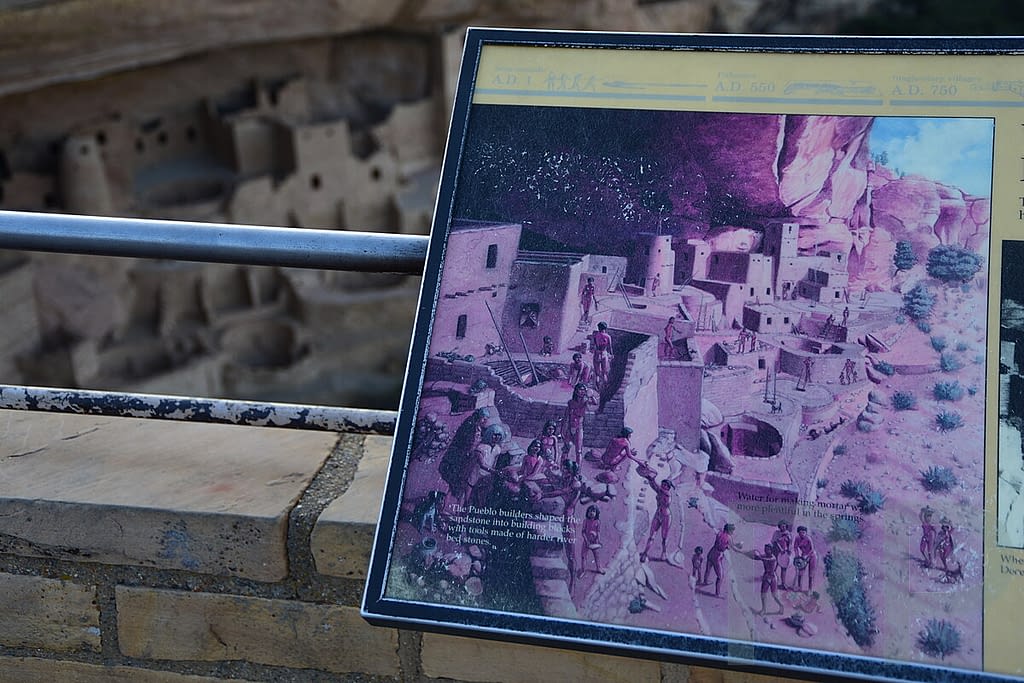
One of the things that surprised me while researching Mesa Verde was how much of the story takes place above the cliffs.
The dramatic cliff dwellings naturally attract most of the attention, but for hundreds of years people lived primarily on the mesa tops. They farmed, raised families, built villages, dug reservoirs, developed water-conservation techniques, and established thriving communities across the landscape.
The cliff dwellings that make Mesa Verde famous were largely built during the late 1100s and 1200s. Archaeologists continue to study exactly why communities moved into the alcoves, but factors likely included environmental pressures, changing social conditions, and the need for greater security.
By the late 1200s, many communities had migrated south and east. Importantly, they did not disappear. Modern Pueblo peoples and other affiliated tribes maintain cultural connections to this landscape today.
Understanding that continuity changes the way you experience Mesa Verde. These aren’t mysterious ruins from a vanished civilization. They are ancestral homes that remain meaningful to living communities.
How Much Time Do You Need at Mesa Verde?
The answer depends on what kind of traveler you are.
If you’re passing through the Four Corners region and only have a few hours, Mesa Verde is still absolutely worth visiting. The scenic drive, overlooks, and archaeological sites provide a meaningful introduction to the park.
A full day is ideal for most visitors.
With a full day, you can drive the major routes, visit the museum area, explore mesa-top sites, and take one of the ranger-led cliff dwelling tours that many visitors consider the highlight of the park.
History enthusiasts could easily spend two days here, especially if they want to explore Wetherill Mesa, attend ranger programs, or take advantage of the park’s dark-sky opportunities.
Exploring Mesa Verde
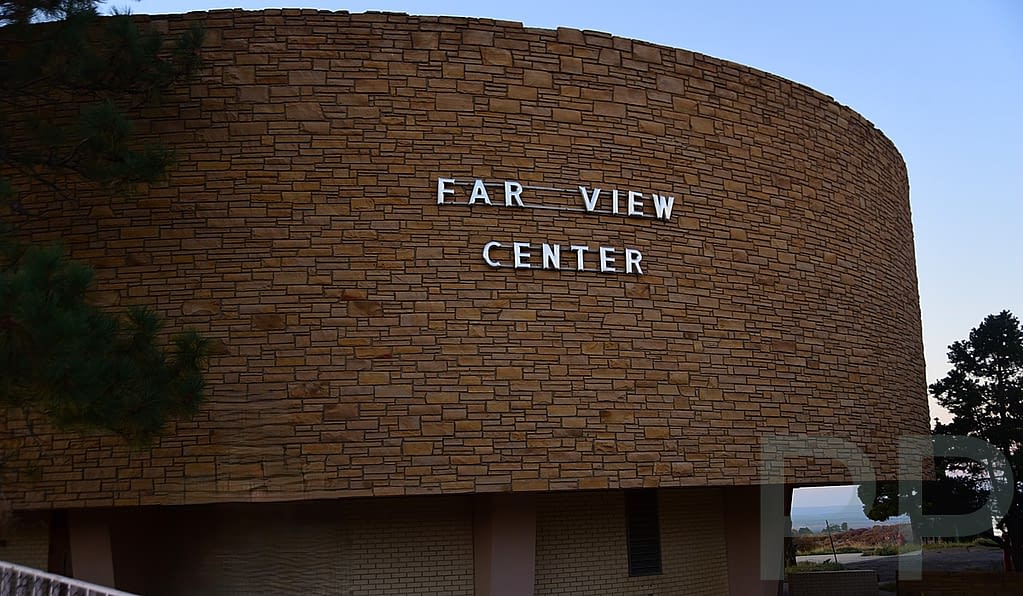
The first thing many visitors notice is that Mesa Verde is larger than expected.
From the entrance station, it’s a substantial drive to the park’s primary archaeological areas. This isn’t the kind of park where you pull into a parking lot and immediately start exploring. Give yourself more time than you think you’ll need.
One of the best things about Mesa Verde is that simply driving through the park becomes part of the experience. The roads wind across high mesas, through forests of pinyon and juniper, and past viewpoints that reveal canyons stretching into the distance.
Start at the Chapin Mesa Museum
If it’s your first visit, begin at the Chapin Mesa Museum.
The exhibits provide helpful context for everything you’ll see later in the day. Learning a little about the Ancestral Pueblo people before visiting the archaeological sites makes the experience much richer.
The museum area also offers views of Spruce Tree House, one of the best-preserved cliff dwellings in the park.
Although visitors can no longer enter Spruce Tree House because of rockfall concerns, the overlooks provide excellent views, and ranger talks help bring the site to life.
Drive the Mesa Top Loop Road
If I had to recommend one thing for first-time visitors, it would be the Mesa Top Loop Road.
This six-mile route functions almost like a self-guided archaeological tour through time. Along the drive, short paved paths lead to pithouses, mesa-top villages, cliff-dwelling overlooks, ceremonial sites, and interpretive exhibits.
Rather than focusing on a single destination, the loop helps visitors understand how life evolved here over hundreds of years.
Along the route, numerous pullouts and short walking paths allow visitors to explore archaeological sites, overlooks, and interpretive exhibits that bring Mesa Verde’s history to life.
Highlights include Square Tower House Overlook, Sun Point View, Sun Temple, and several excellent viewpoints overlooking Cliff Palace and surrounding canyons.
Even visitors who don’t take a ranger-led tour can leave with a solid understanding of Mesa Verde’s significance simply by exploring the Mesa Top Loop.
Explore the Far View Sites
The Far View Sites provide an important glimpse into everyday life at Mesa Verde.
This mesa-top community includes villages, towers, and a reservoir connected by an easy walking trail.
Unlike the cliff dwellings, which showcase spectacular architecture tucked into sandstone alcoves, Far View helps visitors understand everyday life on the mesa tops. It provides a valuable reminder that Mesa Verde was once a thriving landscape filled with communities, farms, and families.
Visit Park Point
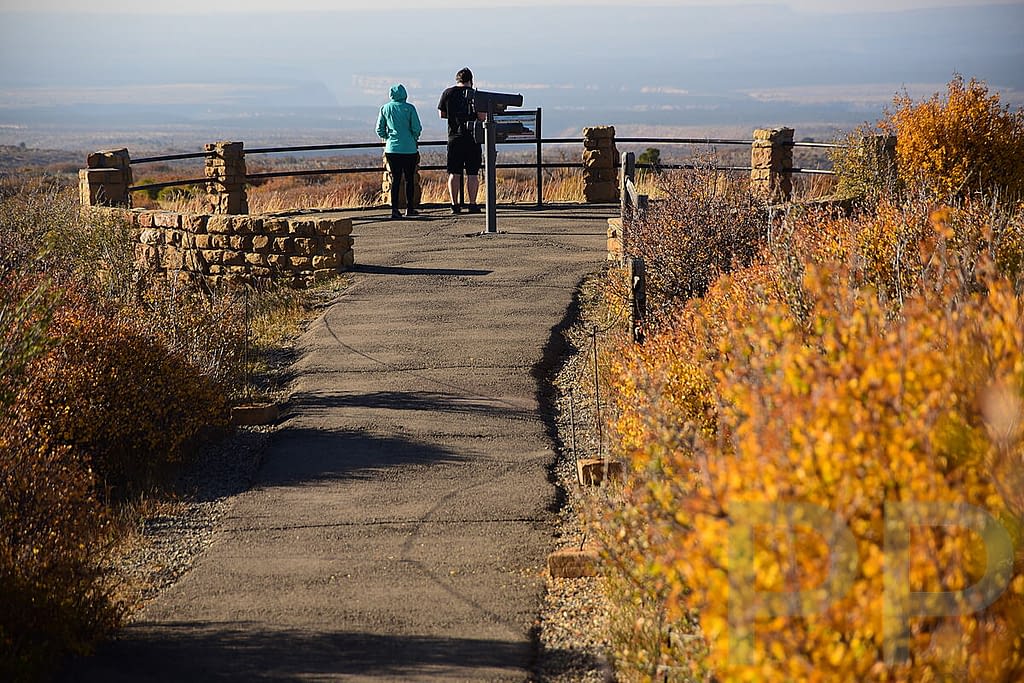
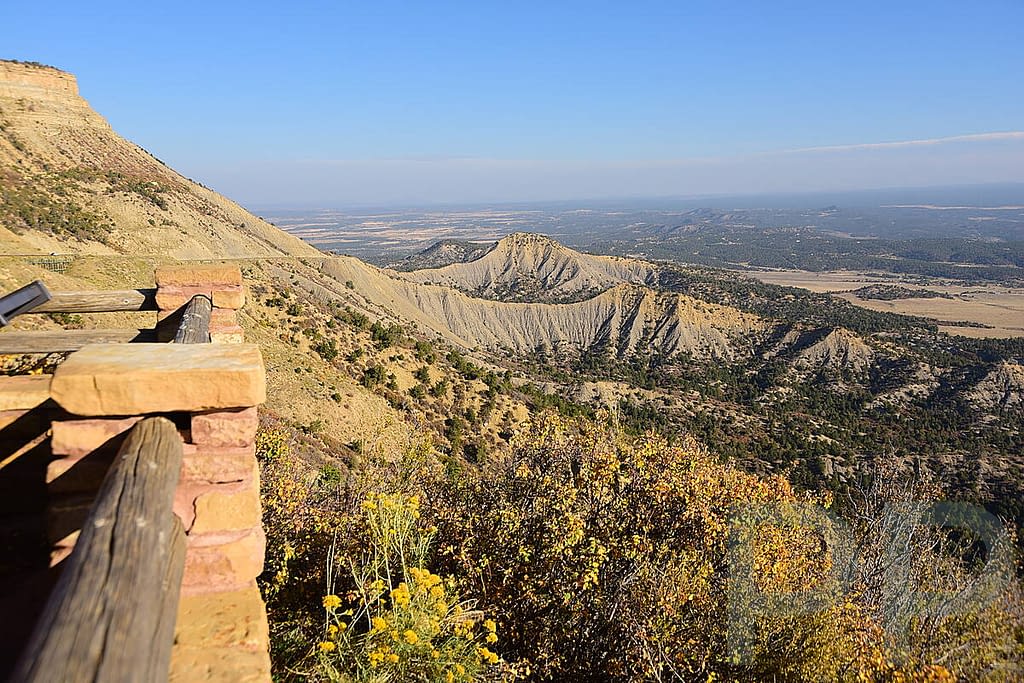
Don’t skip Park Point.
At more than 8,500 feet, it is the highest location in the park and one of Mesa Verde’s best viewpoints.
On a clear day, you can see mountain ranges, mesas, forests, and desert vistas stretching in every direction. There’s also a historic fire lookout tower that adds another layer of interest.
Park Point is one of those stops that often ends up being more memorable than visitors expect.
Mesa Verde in Half a Day
If your schedule only allows a few hours, I would prioritize the following:
Start at the Chapin Mesa Museum and Spruce Tree House overlook. Continue to Far View Sites, then drive to Park Point for the panoramic views. After that, spend the bulk of your time exploring the Mesa Top Loop Road and the overlooks toward Cliff Palace.
That’s essentially the route we followed during our visit, and it provided an excellent introduction to both the environment and the people who once lived here.
Ranger-Led Cliff Dwelling Tours
For many visitors, the ranger-led cliff dwelling tours are the highlight of a trip to Mesa Verde.
While the overlooks provide excellent views, there’s something entirely different about walking through these ancient communities and seeing the architecture up close. Most cliff dwellings can only be entered on ranger-led tours, and reservations are typically required during the main season.
Cliff Palace
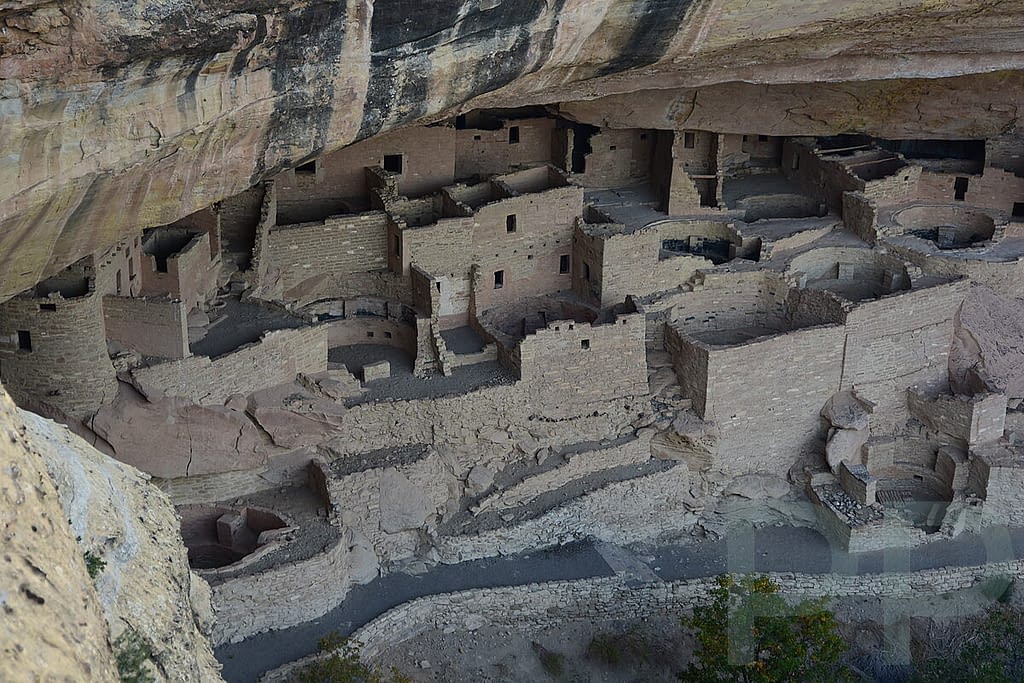
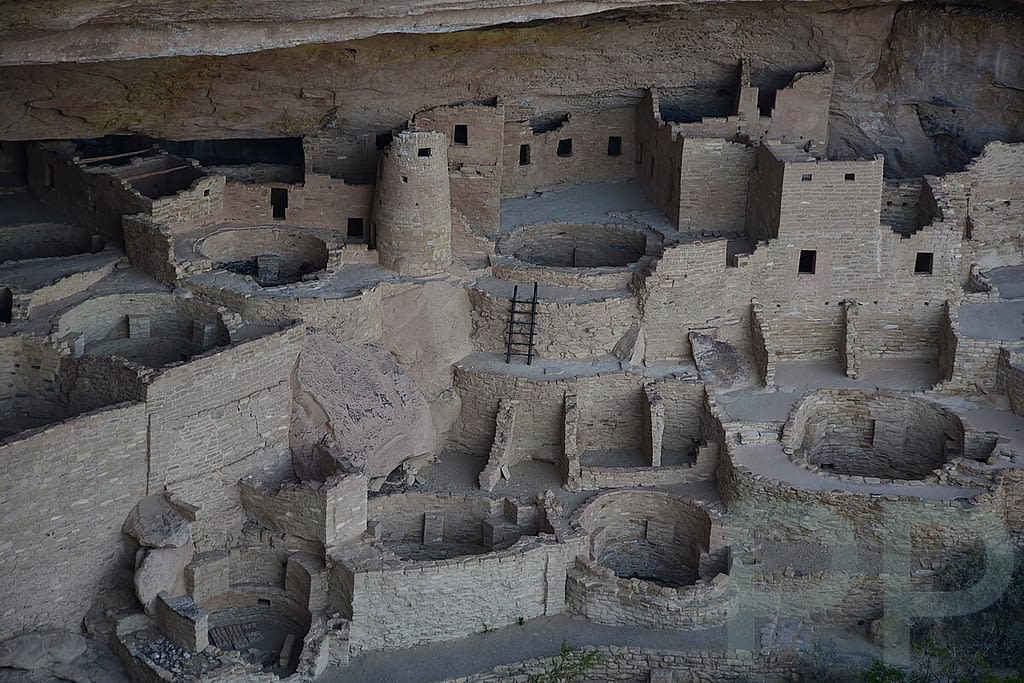
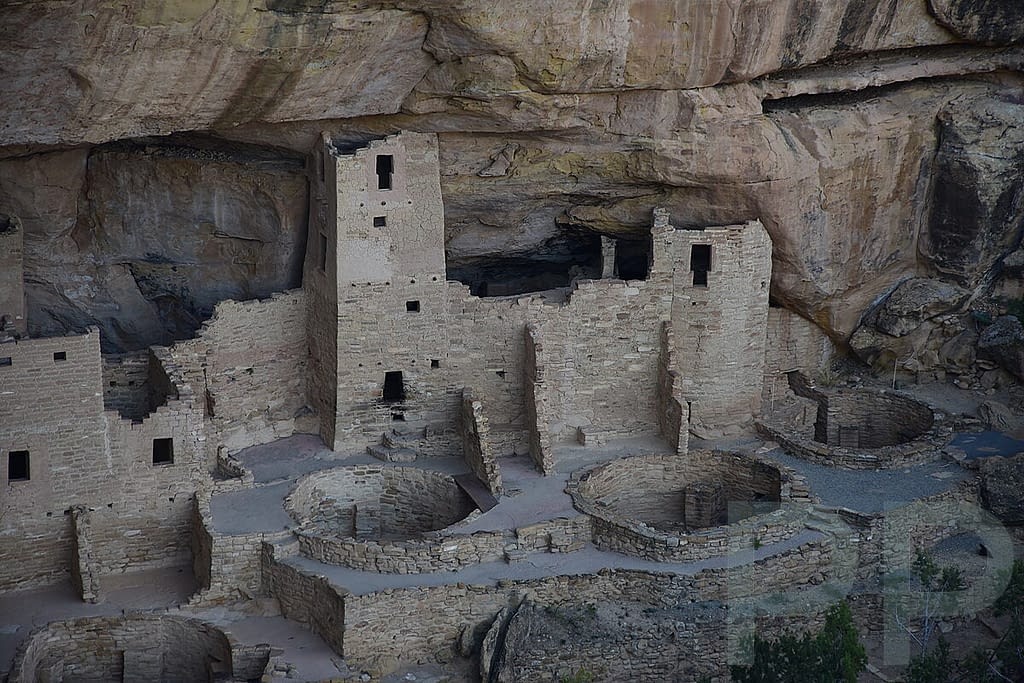
Cliff Palace is the largest known cliff dwelling in North America. Built in the late 1100s and 1200s, it once housed more than 100 people and remains one of Mesa Verde’s most remarkable archaeological sites.
For many first-time visitors, this is the tour to prioritize.
The tour is relatively short but does involve uneven steps and several ladders. Visitors should be comfortable navigating stairs and modest elevation changes.
Balcony House
If Cliff Palace is the classic Mesa Verde experience, Balcony House is the adventurous one.
Visitors climb a 32-foot ladder, crawl through a narrow tunnel, and navigate steep exits along the cliff face. It’s often described as the most exciting tour in the park and offers a memorable look at how residents moved through these cliffside communities centuries ago.
This tour isn’t for everyone, particularly those uncomfortable with heights or tight spaces, but adventurous travelers often consider it a highlight.
Long House
Located on Wetherill Mesa, Long House is the second-largest cliff dwelling in Mesa Verde.
The site contains more than 150 rooms along with kivas, plazas, granaries, and an active spring. The longer tour provides a deeper look into community life and often feels less crowded than the more famous Cliff Palace.
Visitors interested in archaeology and history often rank Long House among the most rewarding experiences in the park.
Step House
Step House occupies a unique place within Mesa Verde because it showcases two distinct periods of occupation in a single location.
Visitors can see both earlier pithouses and later cliff-dwelling architecture, making it one of the best places to understand how life evolved here over centuries.
Unlike most cliff dwellings, Step House can often be visited without a tour reservation when staffed by a ranger.
Wetherill Mesa
Many visitors spend most of their time in the Chapin Mesa area and never make it to Wetherill Mesa.
Still, Wetherill Mesa deserves serious consideration, particularly for travelers with a full day or more.
Compared with Chapin Mesa, Wetherill Mesa feels quieter, less crowded, and more immersive. Instead of primarily viewing sites from overlooks, visitors spend more time walking through the terrain and exploring archaeological sites on foot.
Highlights include Long House, Step House, Badger House Community, and several scenic overlooks connected by trails and paved pathways.
Many visitors consider Wetherill Mesa the most rewarding section of the park.
Best Hikes in Mesa Verde
Mesa Verde isn’t a hiking destination on the scale of Zion, Canyonlands, or Rocky Mountain National Park, but several trails offer rewarding opportunities to experience a different side of the park.
Soda Canyon Overlook Trail
This easy trail is one of the best short walks in Mesa Verde.
The route winds through pinyon-juniper woodland before reaching viewpoints overlooking Balcony House and Soda Canyon. It’s an excellent choice for families and visitors looking for a relatively easy outing.
Petroglyph Point Trail
Petroglyph Point is one of Mesa Verde’s most distinctive hikes.
The trail includes some scrambling, narrow passages, and uneven terrain before reaching a large petroglyph panel carved into the rock. Along the way, hikers gain a very different perspective of the area than they do from the scenic overlooks.
Although not especially long, the route is more challenging than many visitors expect.
Spruce Canyon Trail
For visitors looking to escape the crowds, Spruce Canyon Trail offers a quieter experience.
The trail descends into one of Mesa Verde’s canyons, passing through ecosystems rarely seen by visitors who remain on the mesa tops. The climb back out can be strenuous, but the scenery and solitude make the effort worthwhile.
Mesa Verde After Dark
Mesa Verde became an International Dark Sky Park in 2021, and it’s easy to understand why.
The combination of high elevation, dry air, minimal development, and exceptionally dark skies creates outstanding stargazing conditions.
Visitors who stay overnight are often rewarded with brilliant views of the Milky Way, countless stars, and seasonal astronomy programs led by park staff.
If you enjoy photography, astronomy, or simply sitting under a sky filled with stars, Mesa Verde offers opportunities that many national parks can no longer provide.
Summer Programs and Ranger Activities
Summer is the busiest season at Mesa Verde, but it’s also when the park offers the widest variety of ranger-led activities.
Depending on when you visit, opportunities may include:
- Ranger talks
- Evening programs
- Bird walks
- Cultural demonstrations
- Night-sky events
- Educational presentations at archaeological sites
These programs add valuable context to the park and help visitors better understand the people who once lived here.
Before your visit, check the National Park Service website for current admission fees, tour reservations, seasonal hours, ranger programs, and special events. Because schedules and availability can change throughout the year, it’s worth reviewing the latest information before you arrive.
Where to Stay Near Mesa Verde National Park
Cortez
We stayed in Cortez and found it to be a practical base for visiting Mesa Verde.
Located just outside the park, Cortez offers a wide range of hotels, restaurants, grocery stores, fuel stations, and services. It’s especially convenient for RV travelers and road trippers.
Far View Lodge
For the most immersive experience, consider staying inside the park at Far View Lodge.
The lodge provides easy access to archaeological sites, scenic viewpoints, sunrise photography opportunities, and evening programs. Staying inside the park also reduces driving time and allows visitors to experience Mesa Verde before and after the busiest parts of the day.
Morefield Campground
Campers and RV travelers should consider Morefield Campground.
Located within the park, it offers convenient access to the main attractions while also providing excellent dark-sky viewing opportunities. For visitors planning early tours or hoping to attend evening programs, camping inside the park can be particularly appealing.
Mancos
Located east of the park, Mancos offers a quieter and more charming small-town atmosphere.
With local cafés, galleries, and mountain-town character, it appeals to travelers seeking something a little different from a standard highway stop.
Durango
Durango is the largest nearby community and offers the widest range of accommodations, restaurants, breweries, and activities.
Although it requires a longer drive to the park, it works well for travelers combining Mesa Verde with other southwestern Colorado destinations.
Getting to Mesa Verde National Park
Mesa Verde National Park is located in southwestern Colorado near the Four Corners region.
Approximate driving times include:
- Cortez: 15 minutes
- Durango: 45 minutes
- Monument Valley: 2½ to 3 hours
- Moab: 2½ hours
- Santa Fe: approximately 4½ hours
Because of its location, Mesa Verde fits naturally into larger road trips through Colorado, Utah, Arizona, and New Mexico.
Mesa Verde as Part of a Southwest Road Trip
Mesa Verde works well in a variety of Southwest itineraries. Travelers exploring Monument Valley, Arches National Park, Canyonlands National Park, Durango, Santa Fe, Great Sand Dunes National Park, or the broader Four Corners region will find it a natural addition to their route.
What makes the park especially valuable is the perspective it provides. While many Southwest destinations focus on geology, landscapes, and outdoor recreation, Mesa Verde offers a deeper understanding of the people who lived in this region for centuries.
For us, that made it one of the most memorable stops of the trip.
Frequently Asked Questions About Mesa Verde National Park
Is Mesa Verde worth visiting?
Yes. Even visitors with limited time can experience the scenic drive, overlooks, and archaeological sites, while those with a full day can add cliff dwelling tours, hiking, and ranger programs.
How much time do you need at Mesa Verde?
Most visitors should plan at least half a day. A full day allows time to explore the Mesa Top Loop Road, visit key viewpoints, and participate in a ranger-led cliff dwelling tour.
What is the most famous cliff dwelling in Mesa Verde?
Cliff Palace is the largest known cliff dwelling in North America and the park’s most famous archaeological site. Many first-time visitors choose it as their ranger-led tour.
Can you visit Mesa Verde in one day?
Absolutely. Many travelers visit Mesa Verde as part of a broader Southwest road trip. While history enthusiasts could easily spend two days in the park, one day is enough to experience the highlights.
Is Mesa Verde good for RV travelers?
Yes. Mesa Verde is a popular stop on Southwest RV itineraries. Nearby Cortez offers numerous services, while Morefield Campground provides camping within the park.
When is the best time to visit Mesa Verde?
Spring and fall generally offer pleasant temperatures and smaller crowds. Summer provides the widest variety of ranger programs, cliff dwelling tours, and evening activities, but it is also the busiest season.
Final Thoughts
Mesa Verde wasn’t quite what I expected—and I mean that in the best way.
I arrived looking forward to seeing the famous cliff dwellings. I left thinking about the people who built them.
If you’re planning a trip through the Four Corners region, Mesa Verde is well worth adding to your itinerary. Whether you spend a few hours exploring the overlooks or devote a full day to tours and hiking, you’ll come away with a deeper appreciation for one of North America’s most remarkable historical regions.
Related Guides
We visited Mesa Verde as part of a larger Desert Southwest road trip that included Canyonlands, Arches, Great Sand Dunes, and Black Canyon of the Gunnison National Parks. If you’re planning a similar journey, these related guides can help you map out your route and make the most of your time in the Southwest.