Granada sits at the foot of the Sierra Nevada like a city holding two worlds at once. Snow-dusted peaks rise behind fortress walls. Church bells echo across a former Moorish capital. And above it all, the Alhambra glows in late afternoon light.
Most people come to Granada for the Alhambra — and they should. But the Albaicín, the Darro River valley, and the rhythm of the city turn a single monument into something richer and more memorable.
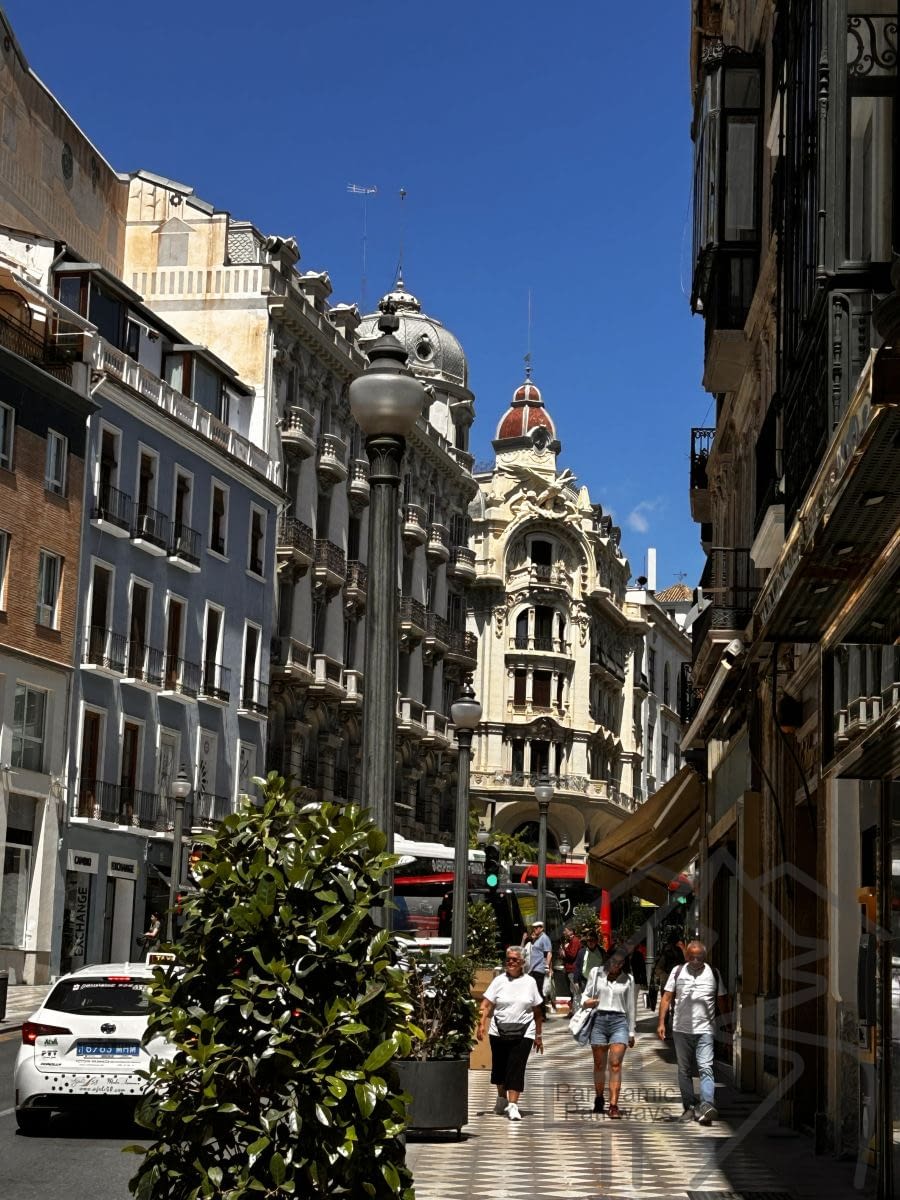
We visited Granada as part of our 3-week Spain & Portugal itinerary. Here’s how we structured our time — and what we’d recommend.
Plan Ahead: Book This First
If you remember one thing from this guide, make it this:
As soon as you know what day you’ll be in Granada, book your Alhambra tickets at the official ticket site. Timed entry to the Nasrid Palaces routinely sells out — often months in advance during busy seasons (especially spring and fall).
Your general Alhambra ticket includes:
- The Nasrid Palaces (timed entry only)
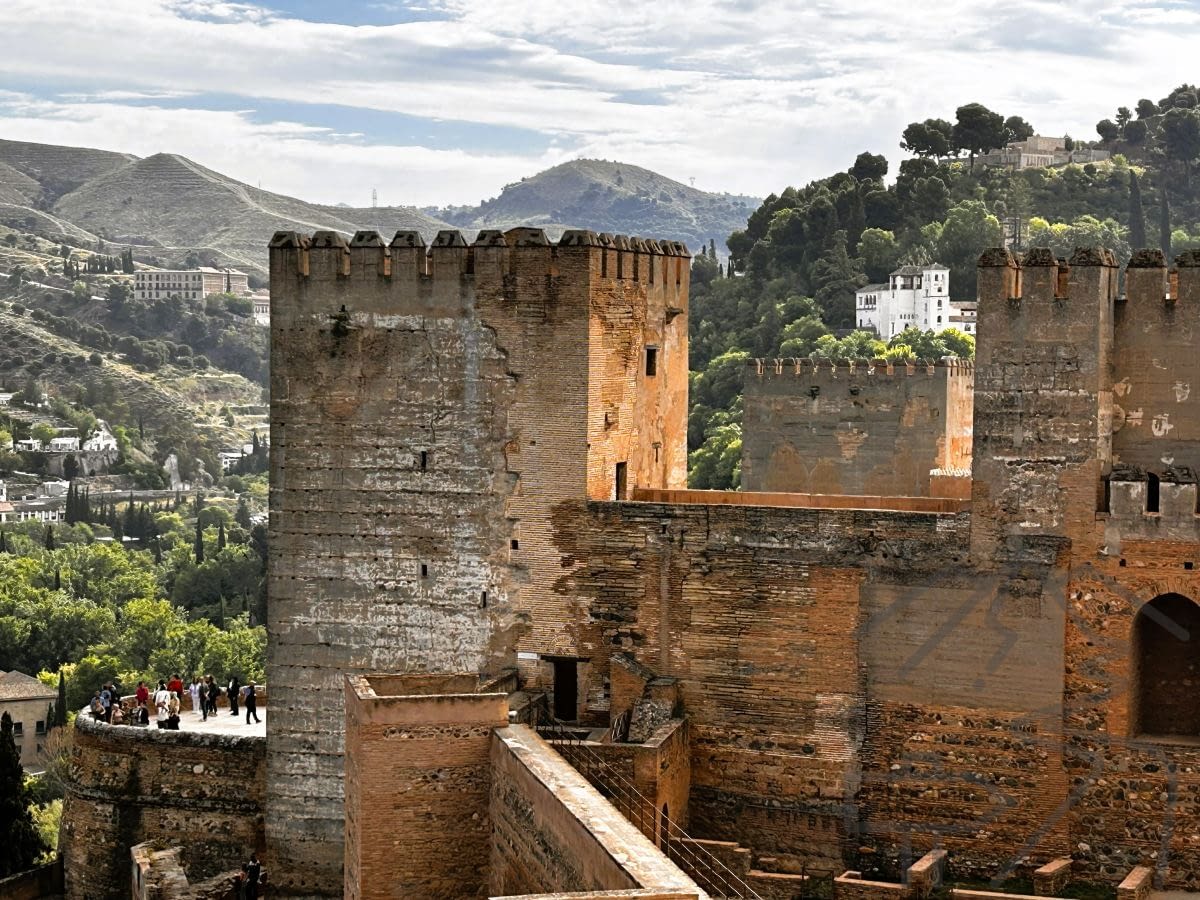
- The Alcazaba fortress
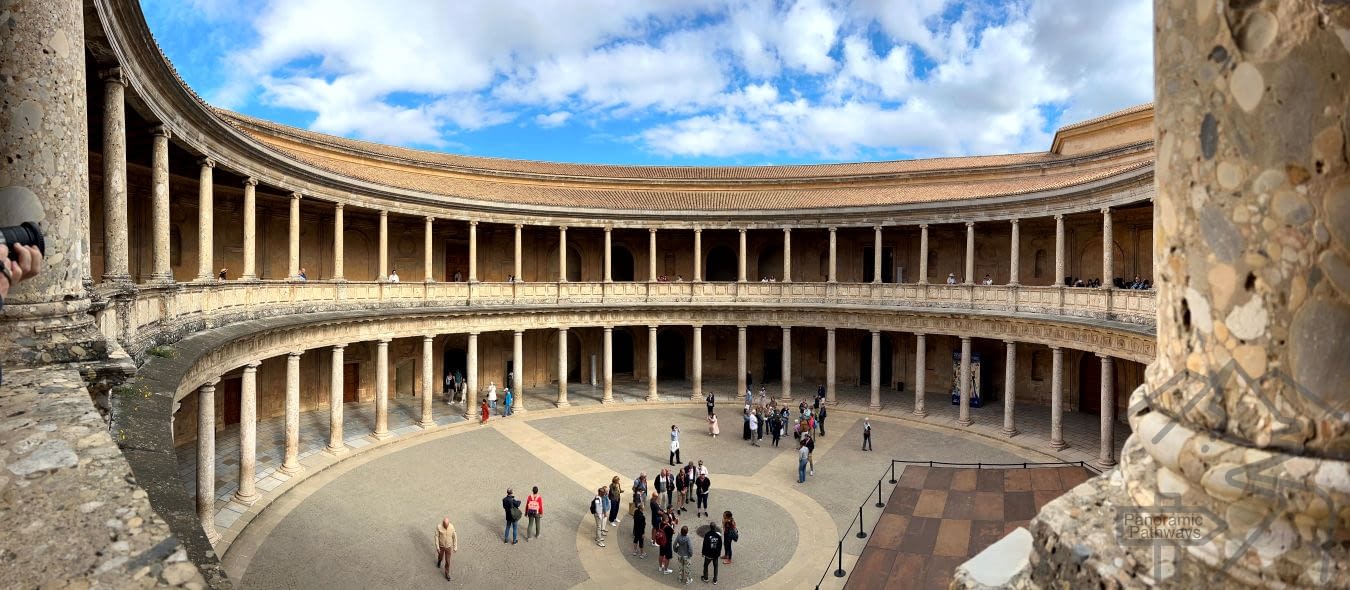
- The Palace of Charles V
- The Generalife gardens and palace
- The Partal gardens and towers
But the Nasrid Palaces require a specific time slot — and once those entries are gone, they’re gone.
Other things worth reserving early (though not as critical):
- Lunch at the Parador de Granada
- A sunset restaurant table near Mirador de San Nicolas
- Lodging in the Albaicín (rooms are limited and atmospheric)
Granada rewards spontaneity — except when it comes to the Nasrid Palaces.
Getting to Granada
Granada feels tucked into Andalusia, but it’s well connected.
By Train:
High-speed rail connects Granada to Madrid (3–3.5 hours), Seville (2.5–3 hours), and Córdoba (about 2 hours). It’s comfortable and easy if you’re building a multi-city Spain itinerary.
By Car:
We arrived by car after visiting Consuegra on our way from Toledo. A car offers flexibility, but parking in Granada’s historic center can be limited. If driving, confirm your lodging’s parking plan in advance.
By Bus:
Regional buses connect Granada to Málaga and other Andalusian cities and can be a budget-friendly option.
Getting Around Granada
Granada is compact and generally walkable — but not flat. Expect steep hills, cobblestones, and narrow streets, especially in the Albaicín.
The Loop Bus (C31 / C32)
We used Granada’s small red minibuses — particularly the C31 and C32 routes — several times during our stay.
These buses:
- Depart from Plaza Nueva
- Loop through the Albaicín
- Run toward the Alhambra entrance
- Are inexpensive and frequent
Purchase a rechargeable transit card for trips up to the Alhambra, through the Albaicín, and back to the center. It was easy, affordable, and completely worth it for saving your legs.
At one point, we simply rode the loop through the Albaicín to rest and observe the neighborhood’s layout without climbing every hill. Highly recommended.
Taxi Strategy
We took a taxi up to Mirador de San Nicolás. It was inexpensive and absolutely worth it.
Then we walked down. That balance — taxi up, wander down — works beautifully in Granada.
Day 1: Old Town & Sunset in the Albaicín
Our first afternoon in Granada was about orientation — walking the old town, visiting the cathedral, and easing into the city before sunset in the Albaicín.
Granada Cathedral & Royal Chapel
Start near Granada Cathedral.
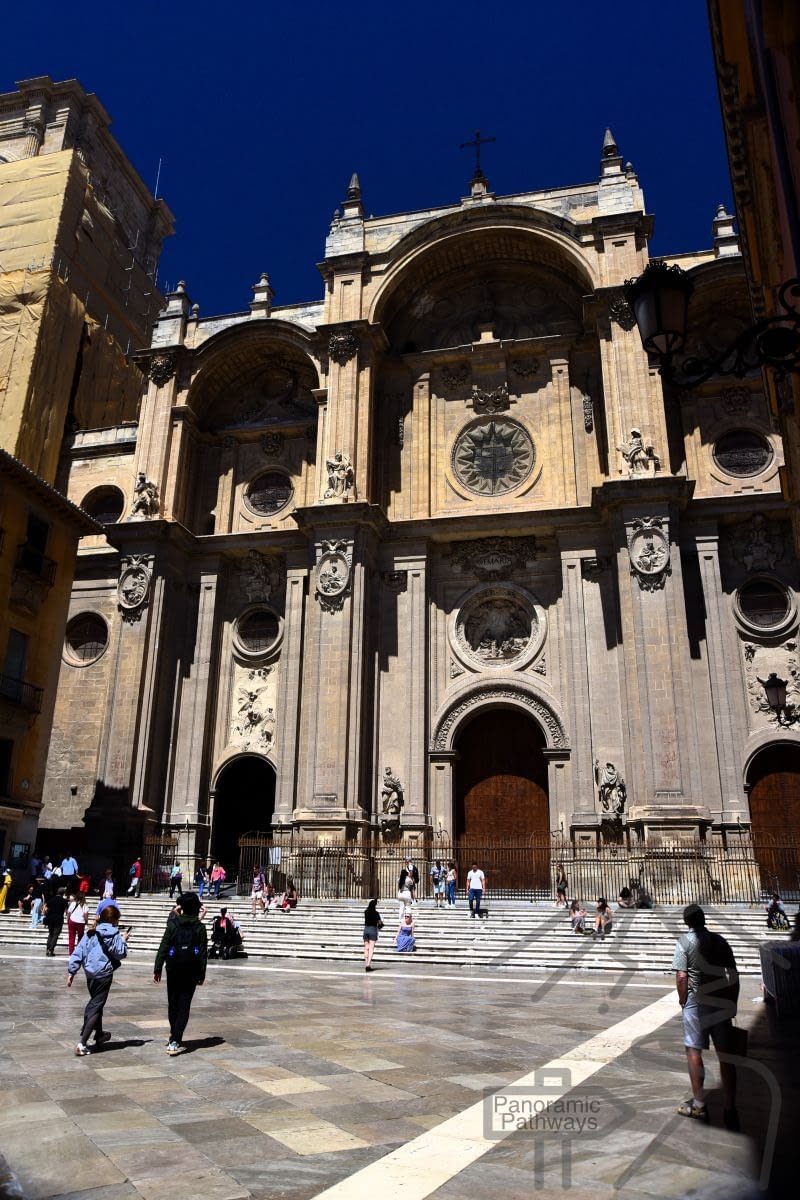
Granada Cathedral, begun in 1523 after the Christian conquest of Granada, reflects Spain’s shift from Islamic rule to Christian monarchy. Built in Renaissance style rather than Gothic, its bright, airy interior and towering white columns feel dramatically different from the carved intimacy of the Alhambra. Look especially at the grand main chapel and the way light fills the space.
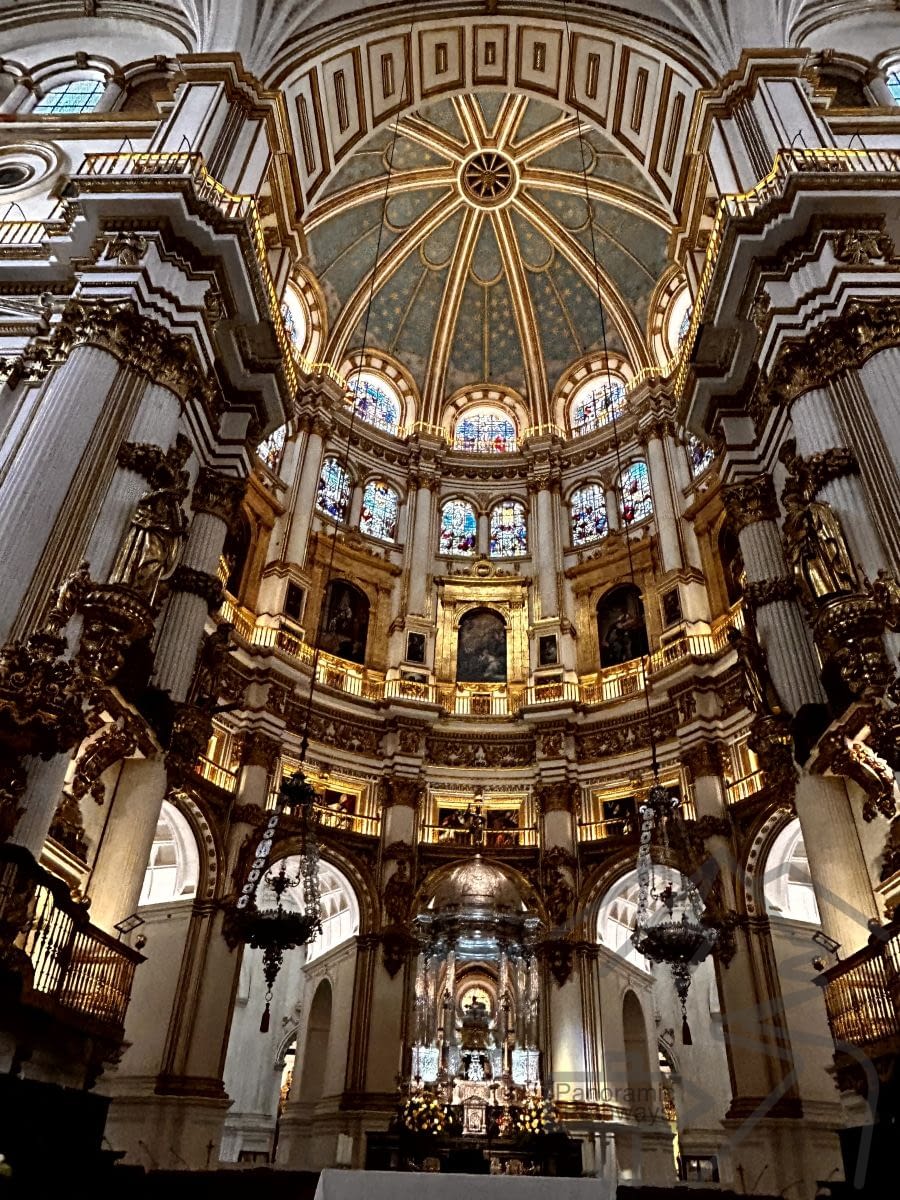
Next door is the Royal Chapel of Granada, burial site of Ferdinand and Isabella. Visiting here first provides historical context for what you’ll experience the next day. Granada was the final stronghold of Muslim rule in Spain — and that layered history matters.
The Alcaicería & Plaza Nueva
Wander through the Alcaiceria, a small remnant of the old Moorish silk market. It’s quick to explore but atmospheric.
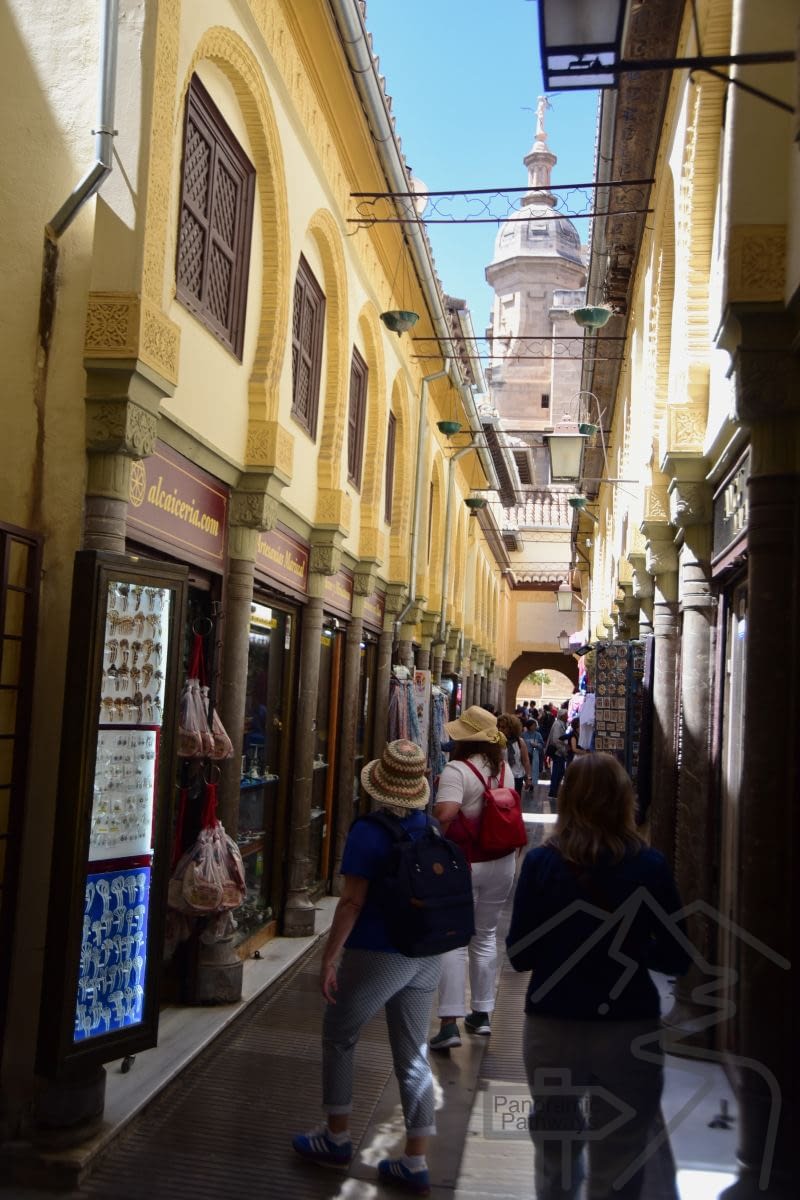
From there, drift toward Plaza Nueva, the city’s central gathering point and transit hub.
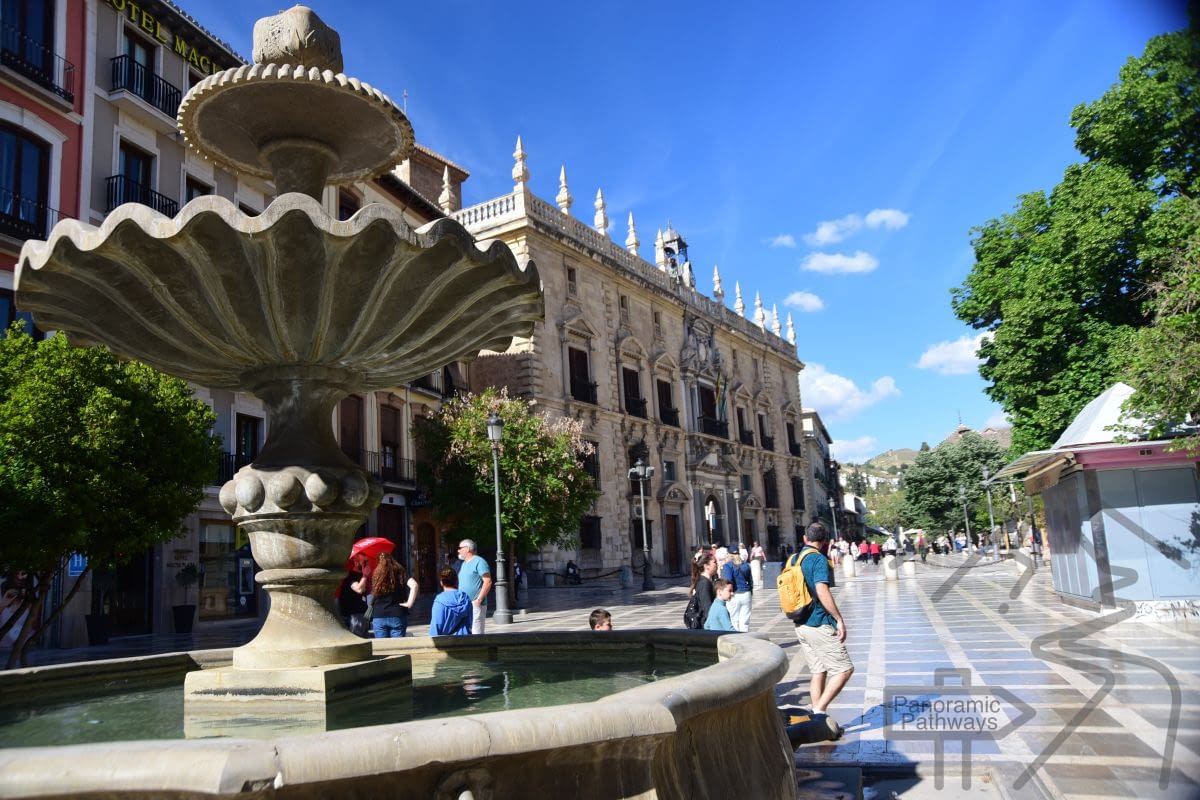
Just beyond begins one of Granada’s most beautiful stretches:
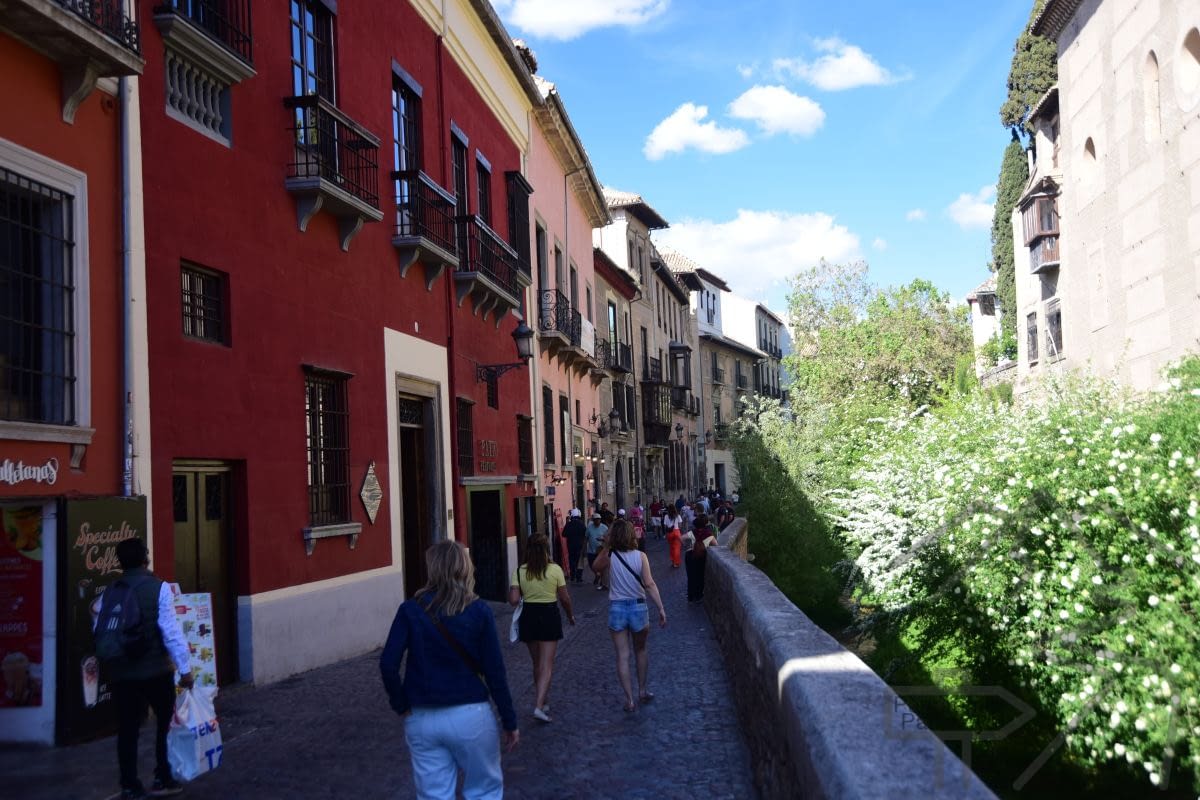
Carrera del Darro
The Carrera del Darro runs along the river beneath the Alhambra hill. Stone bridges, historic facades, and fortress walls above make it one of Spain’s most cinematic walks. Walk it in the late afternoon or evening to join the local paseo.
Sunset at Mirador de San Nicolás
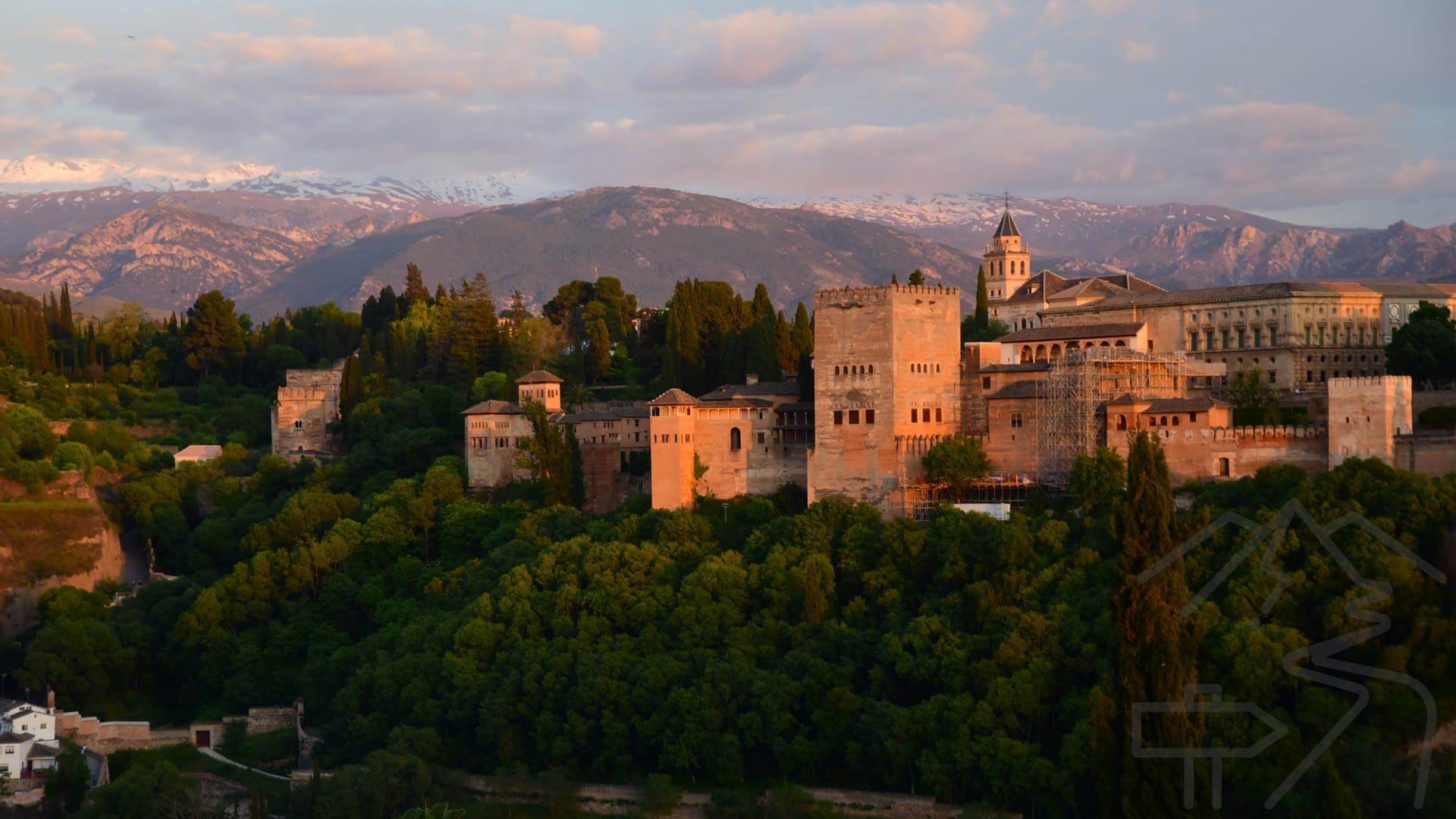
We took a taxi up to Mirador de San Nicolas for the famous sunset overlooking the Alhambra.
The Albaicín streets are steep and cobbled, and after a day of walking, saving your energy makes the evening more enjoyable.
Golden hour here is famous for a reason. The Alhambra glows. The Sierra Nevada frames it. Musicians play. Travelers gather nightly.
After sunset, we walked down through the Albaicín toward Carrera del Darro. The descent is steep and uneven — but beautiful. Lantern light, whitewashed walls, and glimpses of palace towers make it feel cinematic.
Day 2: The Alhambra
Plan your Alhambra entry time strategically.
If possible, book the earliest Nasrid Palace time available. Early morning generally offers cooler temperatures, softer light, and lighter crowd flow. Late afternoon can also be pleasant — particularly for the gardens — but midday (late morning through early afternoon) is typically the busiest stretch.
Whenever you go, expect crowds.
We took the bus from Plaza Nueva to reach the entrance and allowed several hours to explore.
What the Alhambra Is — and Why It Matters
The Alhambra began as a fortress in the 9th century but rose to prominence in the 13th and 14th centuries under the Nasrid dynasty, the last Muslim rulers of Spain.
It functioned as a royal palace complex, a military stronghold, an administrative court, and a self-contained city.
Its architecture represents the height of Islamic art in medieval Europe: intricate stucco carving, geometric tilework, Arabic calligraphy, muqarnas (honeycomb vaulting), and reflecting pools designed to double the visual impact of arches and columns.
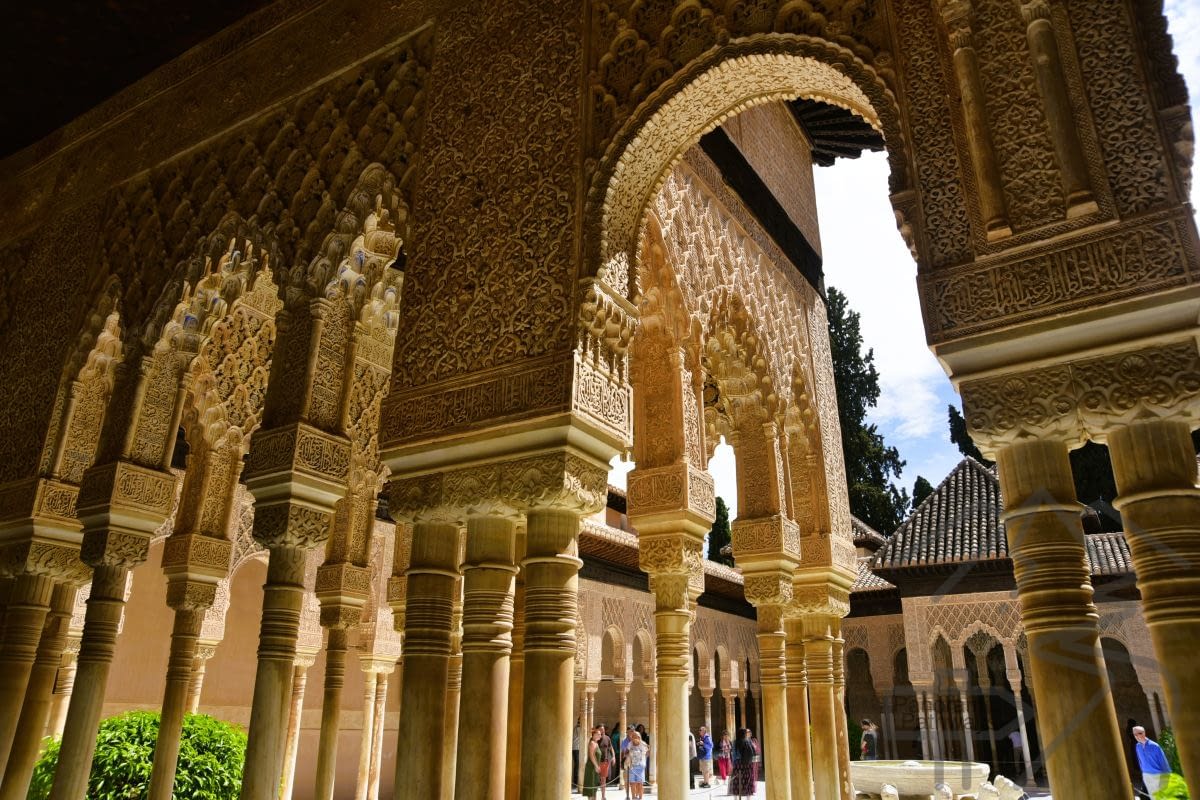
It is one of the most visited monuments in Spain — and among the most visited cultural sites in Europe — yet despite its fame, it still feels intimate in scale. Rooms unfold quietly around courtyards. Water moves softly through channels. Light shifts across carved walls.
When you visit, look for:
- The symmetry of the Court of the Lions
- Arabic inscriptions woven into plaster
- The play of shadow in carved ceilings
- Water used as architecture, not just decoration
Allow at least 3–4 hours inside the complex.
Note: While the Nasrid Palaces require a timed entry ticket, you may visit the other areas of the Alhambra complex at any time on your admission date.
Nasrid Palaces (Timed Entry)
This is the heart of the Alhambra:
- Court of the Lions
- Hall of the Ambassadors
- Long reflecting pools
- Cedar ceilings and intricate stucco
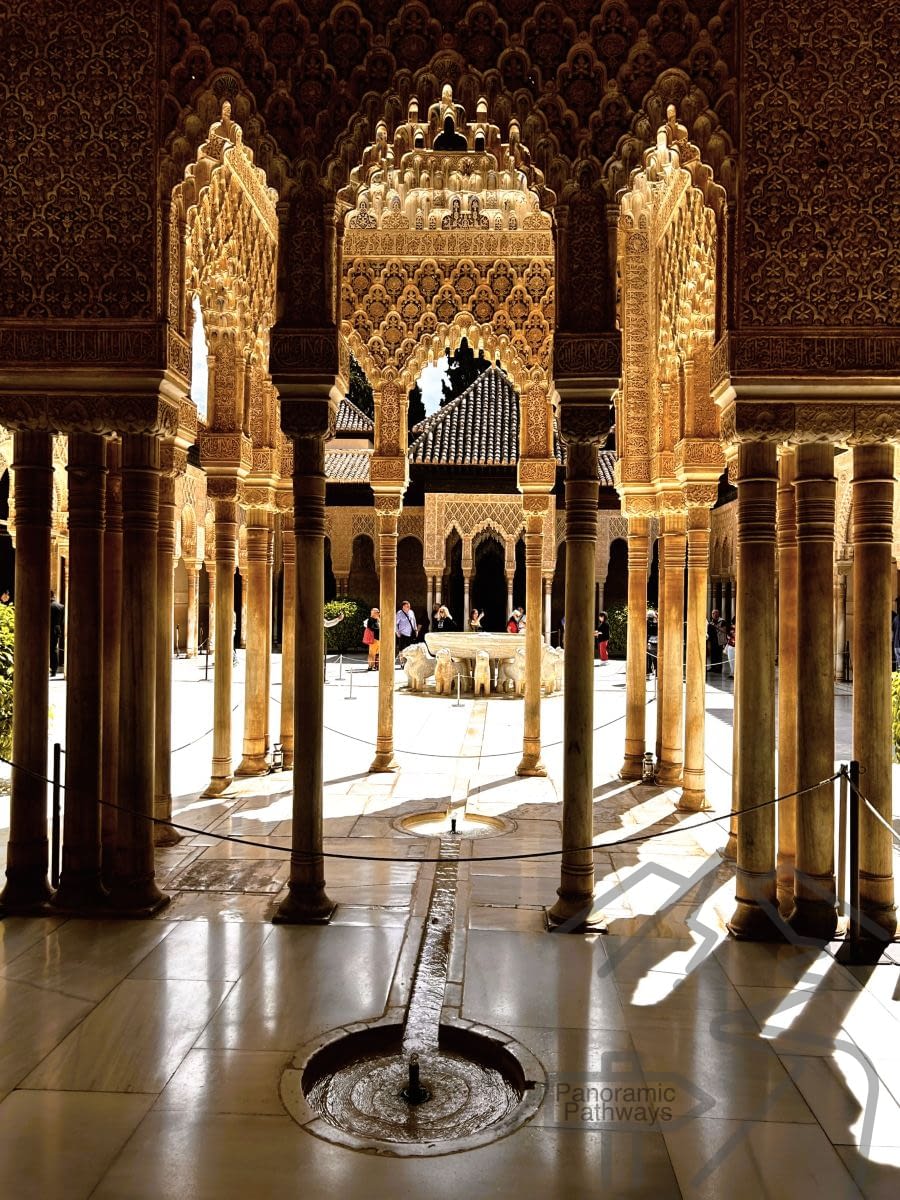
Entry is strictly timed and enforced.
Arrive early for your slot. Bring ID. And once inside, move slowly — even if the flow of visitors feels steady.
Alcazaba
Climb the towers for sweeping views across Granada and the Albaicín.
Palace of Charles V
A Renaissance insertion into the Islamic complex — bold, circular, and dramatically different.
After moving through carved stucco, geometric tilework, and reflective courtyards, the grand Renaissance scale of the Palace of Charles V feels strikingly different — solid, symmetrical, and unapologetically imperial.
Generalife Gardens
The Generalife served as the summer retreat of the rulers. Terraces, fountains, and cypress-lined paths feel especially peaceful later in the day. If you love strolling through impeccable gardens, this is your spot!
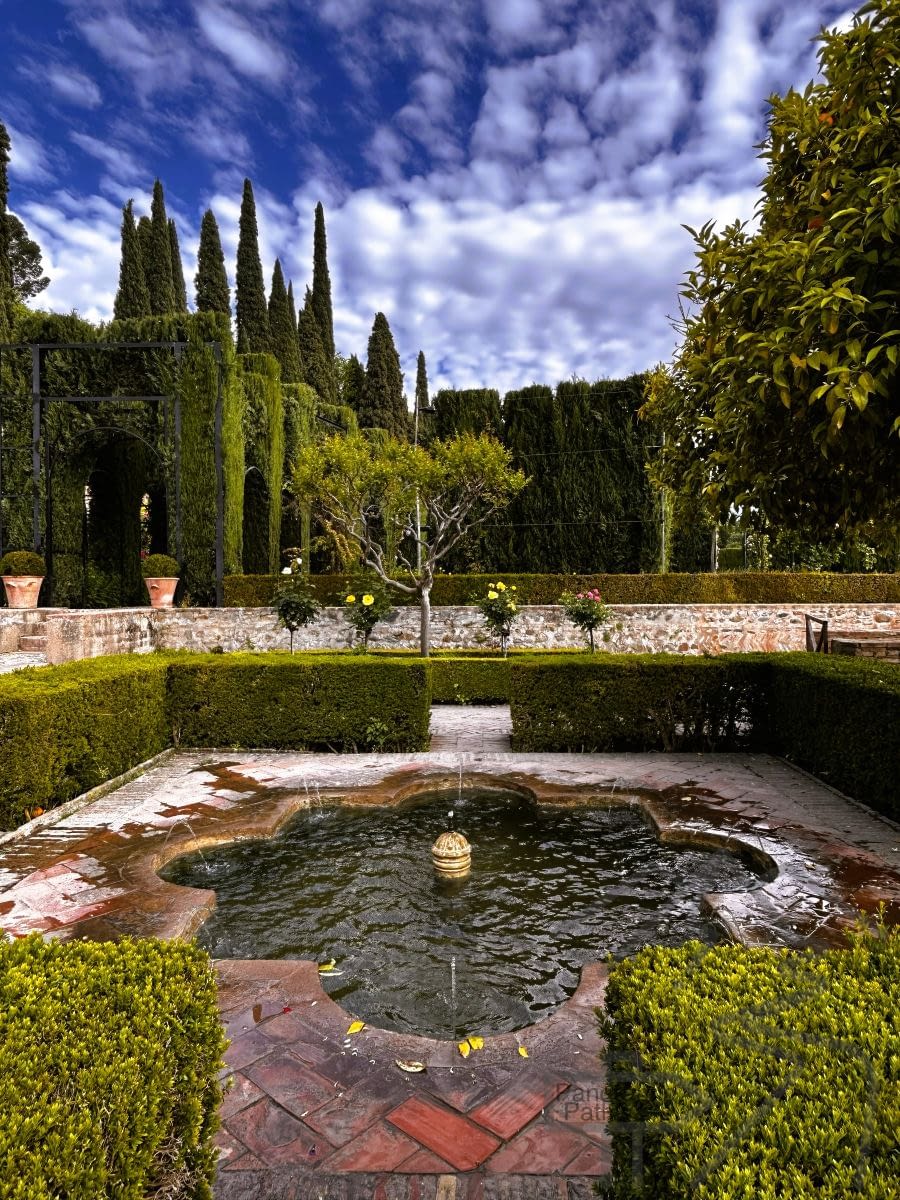
If your Nasrid Palace entry is early, consider lingering in the gardens afterward as crowds shift. If your palace time is later, the gardens can offer a calmer close to the visit.
Leaving and Returning the Same Day
Your general ticket allows you to leave and return the same day — except you cannot re-enter the Nasrid Palaces once you’ve used your timed slot.
We toured the palaces and fortress, returned to town, then went back later to stroll the gardens again in softer evening light.
It felt calmer and less rushed — and we loved seeing the gardens in a different mood.
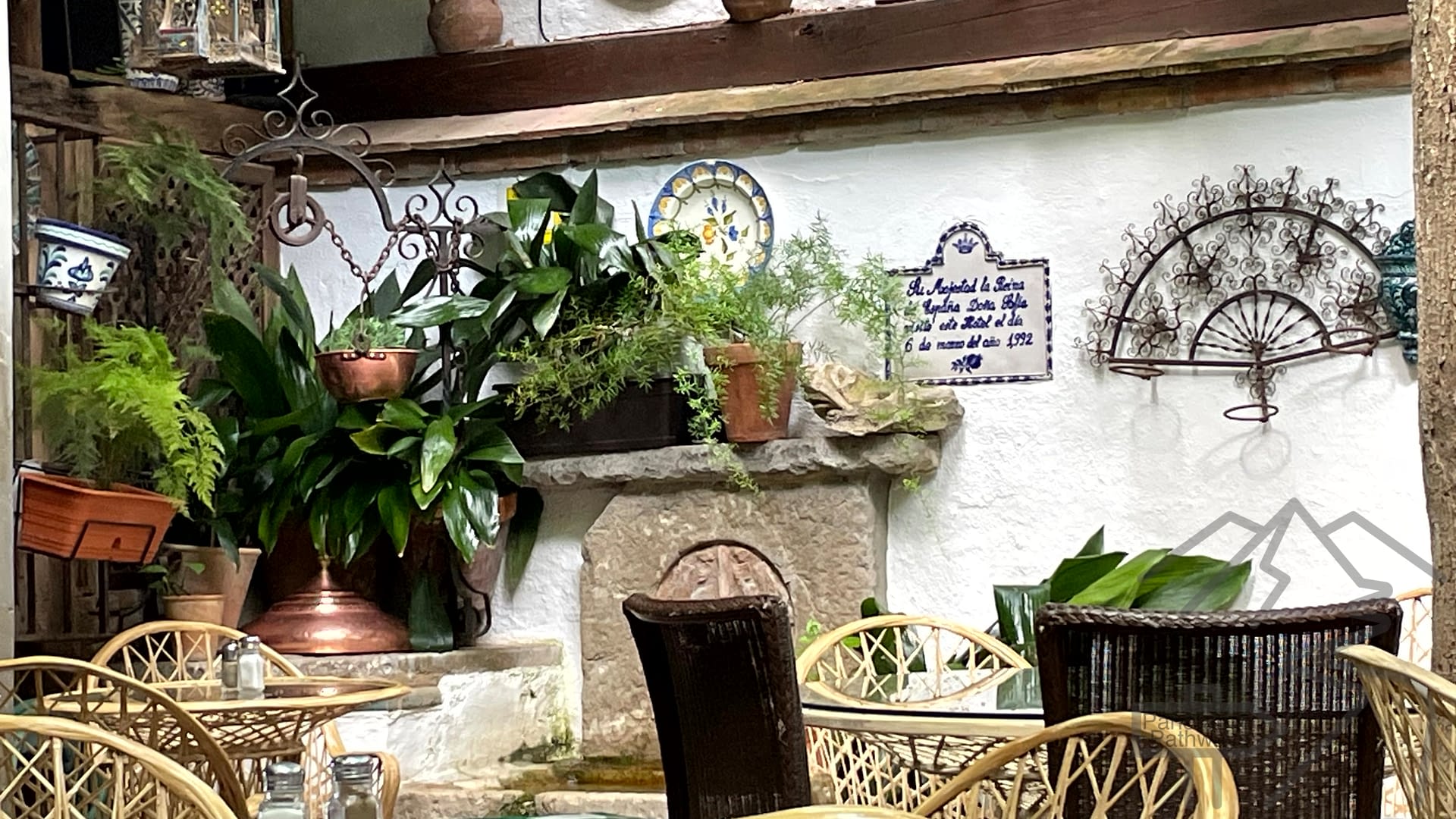
Coffee at the Parador Courtyard
We stopped for coffee at Restaurante Jardines del Parador, the shaded courtyard café next to the Parador de Granada inside the Alhambra complex.
The hotel’s formal restaurant was closed at the time, but this leafy garden setting — ceramic tiles, wrought iron, dense greenery — was perfect for a break.
It’s atmospheric and ideal for resting your feet between sections of the complex.
Where to Stay in Granada
Granada is compact, but where you stay will shape your experience — especially with hills and narrow streets in the mix.
We stayed in an Airbnb near Plaza Campo del Príncipe, in the Realejo neighborhood. It was an easy walk to the historic center, restaurants, and Plaza Nueva — and we even had a view of the Alhambra from the windows. Waking up to see the palace perched above the city felt pretty special.
If you’re choosing an area, here’s how to think about it:
Historic Center (Cathedral / Plaza Nueva)
The most convenient option for first-time visitors. You’ll be within walking distance of the cathedral, Royal Chapel, restaurants, and bus connections to the Alhambra and Albaicín. Streets are flatter here than in the hillside neighborhoods.
Realejo / Campo del Príncipe
This area offers a more local feel while still being highly walkable. It’s slightly removed from the busiest tourist streets but close enough to everything. Some accommodations here offer partial or full Alhambra views, depending on elevation. It struck a nice balance for us.
Albaicín
The most atmospheric neighborhood in Granada — whitewashed houses, cobbled lanes, and incredible viewpoints. It’s romantic and historic, but steep. If you stay here, pack light or plan on using taxis or the C31/C32 minibuses.
Near the Alhambra
Quieter and scenic, especially in the evenings after day visitors leave. You’ll be slightly removed from the restaurant scene, but very close to the monument itself. The Parador de Granada, located inside the Alhambra complex, is the splurge option here.
For a short stay, prioritize walkability. Granada is best experienced on foot — but your luggage will appreciate fewer hills.
Where to Eat in Granada
Granada is one of the few Spanish cities where complimentary tapas still commonly come with drinks, making evenings relaxed and affordable.
Splurge: Restaurante Ruta del Azafran – Refined Andalusian cuisine near the Darro River.
Classic & Lively: Los Manueles – Traditional dishes in a central location.
Atmospheric Tapas: Bodegas Castaneda – Historic feel and strong local vibe.
Off the Beaten Path
Beyond the headline sites:
- Wander Sacromonte for cave homes and broader views.
- Ride the Albaicín loop bus simply to observe and rest.
- Look for hidden cármenes — private homes with interior gardens behind high walls.
- Walk Cuesta del Rey Chico for a quieter path between town and the Alhambra.
Granada rewards wandering as much as it rewards planning.
How Much Time Do You Need for Granada?
Allow at least one full day and an overnight for Granada. Two nights allow you to relax a little, spending more time lingering in the Generalife Gardens, walking along the Darro River, and more.
With one and a half days, we had time for:
- An old-town orientation afternoon
- Sunset in the Albaicín
- A full Alhambra visit
- Time to return to the gardens
Rushing Granada would miss its rhythm.
Frequently Asked Questions About Visiting Granada
How far in advance should I book Alhambra tickets?
As soon as your Granada dates are firm. Timed entry to the Nasrid Palaces often sells out weeks in advance — and months ahead during peak spring and fall travel seasons.
What is the best time of day to visit the Alhambra?
If possible, book the earliest Nasrid Palace time available. Early morning generally offers cooler temperatures and lighter crowd flow. Late afternoon can also be pleasant, especially in the Generalife Gardens, but midday is typically the busiest period.
How long do you need at the Alhambra?
Allow at least 3–4 hours to visit the Nasrid Palaces, Alcazaba, Palace of Charles V, and Generalife Gardens. Many visitors spend half a day exploring the full complex.
Can you leave and re-enter the Alhambra on the same day?
Yes — your general admission ticket allows you to leave and return the same day, as long as it’s within operating hours. However, the Nasrid Palaces can only be entered once at your assigned time slot.
Is Granada walkable?
Yes, Granada’s historic center is compact and walkable. However, neighborhoods like the Albaicín involve steep hills and cobblestone streets. Many visitors use the local C31 and C32 minibuses or taxis for uphill routes.
How many days do you need in Granada?
One full day plus an overnight is the minimum. Two nights allows for a more relaxed pace, including sunset in the Albaicín and a full Alhambra visit without rushing.
Final Thoughts
Granada is more than a monument. Yes, the Alhambra is one of the most extraordinary palace complexes in Europe. But what lingers is the walk back down from San Nicolás, the paseo along the Darro at dusk, the way the Alhambra shifts color as the sun lowers behind the Sierra Nevada.
Book the Nasrid Palaces as soon as your dates are firm. Use the buses strategically. Leave space for wandering.
Related Guides
Epic 3-Week Spain and Portugal Itinerary (with Maps & Tips)
Toledo, Spain Travel Guide: Cathedrals, Synagogues & Medieval Streets
Madrid: A 2-Day Itinerary For Spain’s Regal and Grand Capital
Barcelona: A Well-Paced 3-Day Itinerary
A Medieval Surprise in Western Spain: Visiting Cáceres
Ronda, Spain Travel Guide: A City Straddling a Gorge
Hiking the Caminito del Rey: Spain’s Most Thrilling Gorge Walk