On our drive from the Algarve up to Lisbon in May 2025, we planned a detour through Évora — and it proved to be an unforgettable part of our journey. This small city lies in the heart of Portugal’s Alentejo region, about 1.5 hours east of Lisbon, where golden plains, cork oak forests, and vineyards stretch to the horizon. Évora, Portugal makes a fantastic day trip from Lisbon. It also makes a great stop on a drive between Lisbon and Spain.
Évora is the kind of place where centuries of history are still etched into every wall. Yet, cafés brim with students chatting over coffee. Whether you visit Évora as a day trip from Lisbon or build it into a longer itinerary through southern Portugal, Évora rewards you with Roman ruins, medieval churches, whimsical shops, and a youthful university-town energy. It’s easy to see why Évora has been designated a UNESCO World Heritage Site and is one of the best day trips from Lisbon.
What makes Évora especially appealing is its atmosphere — lively but never overwhelming. Unlike Lisbon, Porto, or Sintra, you won’t feel run over by large tour groups here. Instead, the pace is relaxed, the crowds manageable, and the mix of locals, students, and travelers gives the city a refreshing authenticity.
A Glimpse into Évora’s Past
Évora’s history stretches back over 2,000 years. It was an important Roman settlement — the Temple of Diana still dominates the heart of the old town — and later became a major center during Portugal’s golden age in the 15th and 16th centuries. Kings once held court here, and the University of Évora, founded in 1559, made it a hub of learning. Today, that legacy lingers in its medieval walls, whitewashed houses, tiled churches, and vibrant university atmosphere — all reasons UNESCO recognized Évora as a site of universal cultural significance.
Must-See Attractions in Évora
Roman Temple (Temple of Diana)
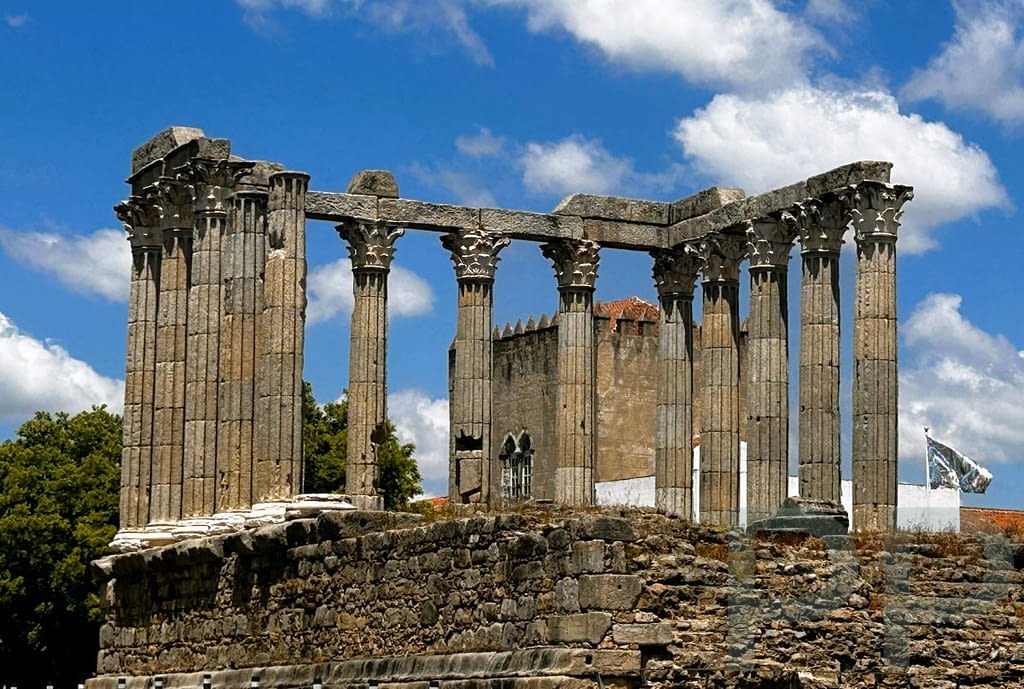
Rising dramatically in the main square, this Roman temple dates to the 1st century AD. Its Corinthian columns, surprisingly well-preserved, are a powerful reminder of Évora’s ancient importance.
Évora Cathedral
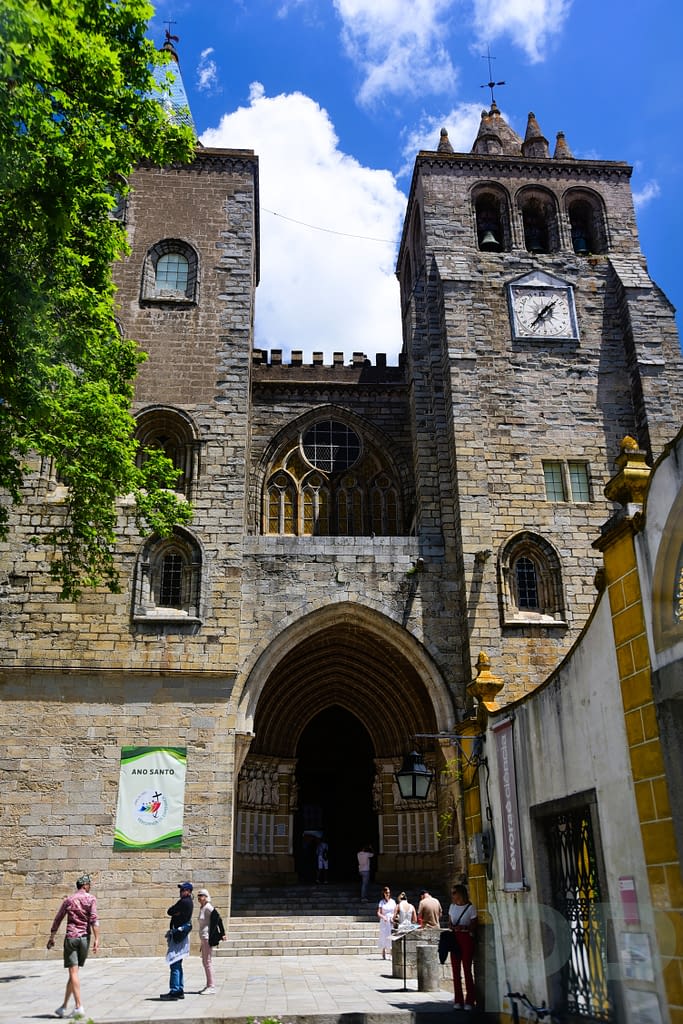
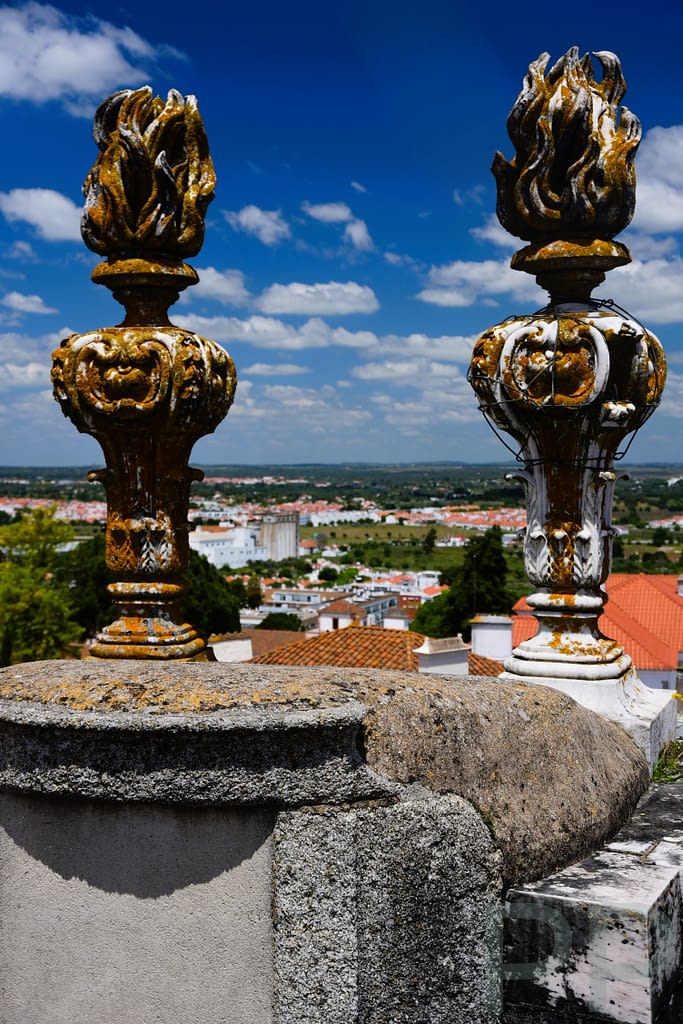
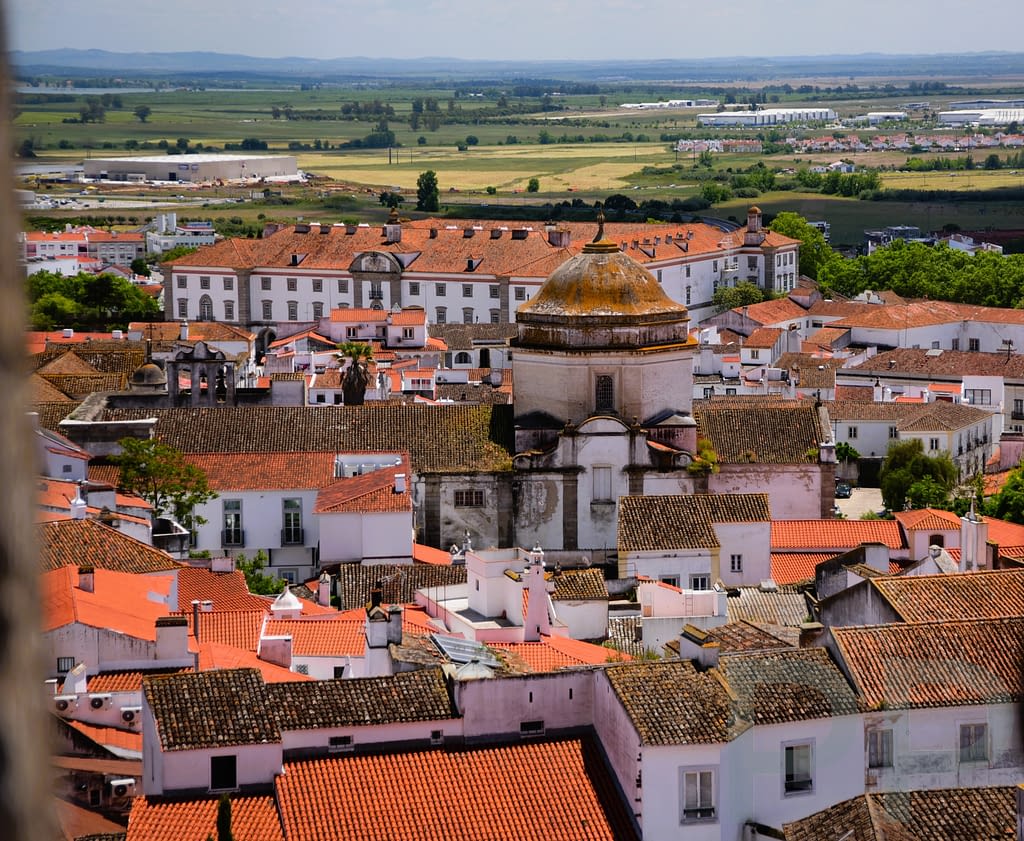
From the outside, the cathedral looks more fortress than church — a mix of Romanesque and Gothic styles. The highlight is climbing up to the rooftop, where sweeping views stretch across the city and into the Alentejo plains.
Igreja de São Francisco & the Chapel of Bones
This grand church is worth stepping inside for its soaring Gothic-Manueline architecture. But its most famous feature lies next door: the Capela dos Ossos (Chapel of Bones). Thousands of human bones line the walls and columns, creating an eerie yet strangely beautiful space meant to inspire reflection on the brevity of life.
Praça do Giraldo (Main Square)
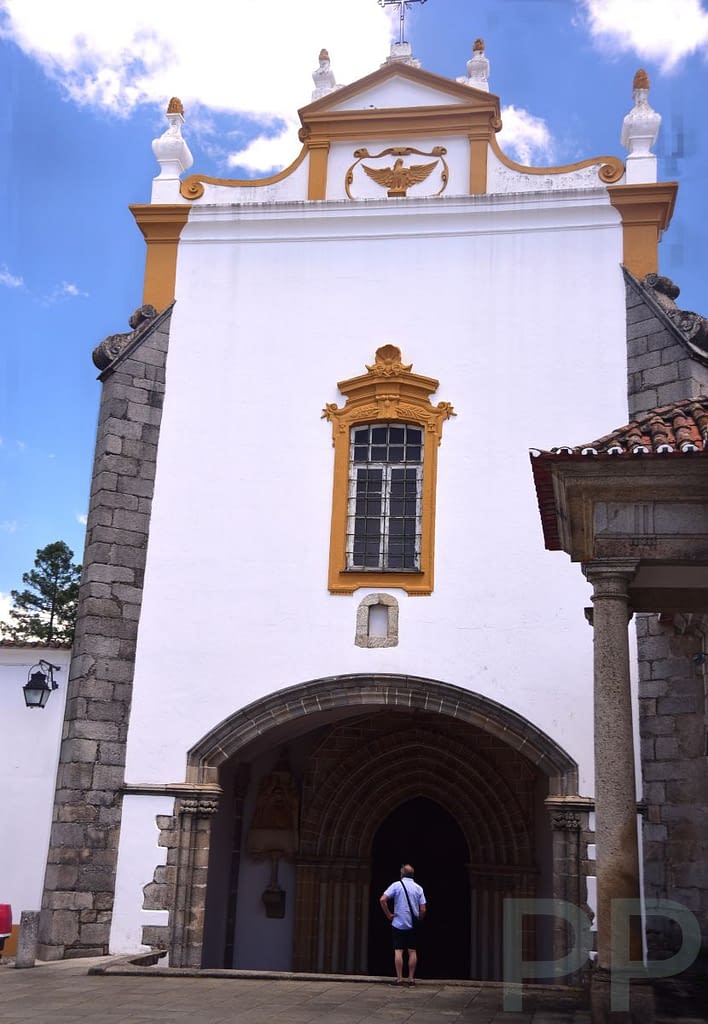
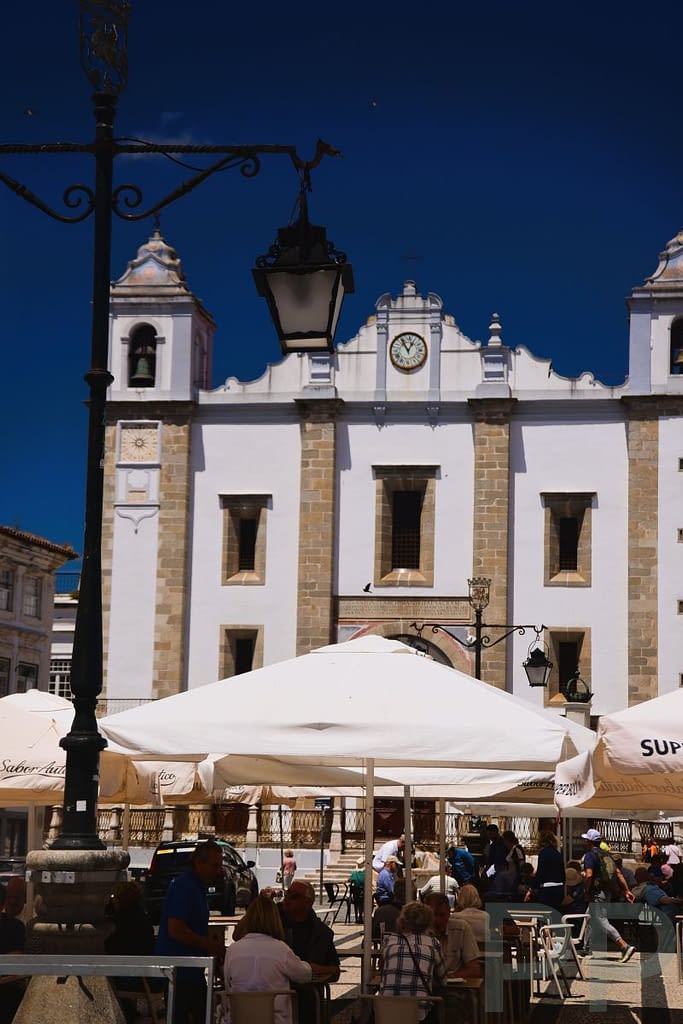
The beating heart of Évora, this square is ringed with arcades, fountains, and cafés. When we visited, it was filled with older residents chatting in the sun, while younger students hurried by — a snapshot of Évora’s mix of old and new.
A Playful Taste of Portugal: O Mundo Fantástico da Sardinha Portuguesa
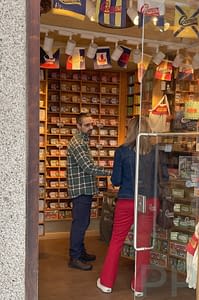
For something playful amid Évora’s layers of history, step into O Mundo Fantástico da Sardinha Portuguesa. Don’t be fooled by the name — while sardines are the star, the shelves are also lined with tins of octopus, tuna, mussels, and other delicacies. The staff are enthusiastic and often take time to explain the different varieties and packaging, turning a quick shopping stop into a fun mini-experience.
The brand behind the shop is COMUR – The Cannery of Portugal, a long-standing Portuguese canning company. So while the Évora store itself is a themed retail space, the products are rooted in Portugal’s traditional canning industry. It feels local, colorful, and a little whimsical — a lighthearted contrast to the somber Chapel of Bones just a short walk away.
A Photogenic Town 📸
Évora is one of those cities where you’ll want your camera ready at every turn. From the dramatic Roman ruins rising in the main square, to the haunting interior of the Chapel of Bones, to the sweeping rooftop views from the cathedral, the town is packed with unforgettable photo opportunities. Even the cobbled side streets, whitewashed houses, and tiled church façades make perfect backdrops for capturing the atmosphere of Portugal’s Alentejo region.
Food & Local Flavor 🍴
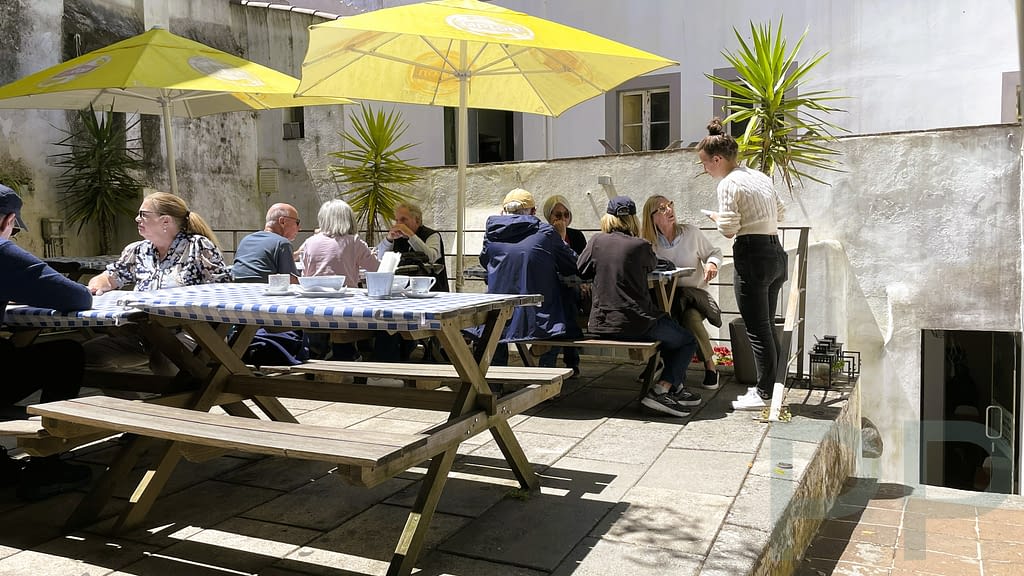
Évora may be historic, but it’s also a university town with a youthful vibe. One of the best places to experience this is The Bakery Lounge, tucked away just off the main streets. It’s popular with students for breakfast and light lunches — we enjoyed their Pastel de Nata as well as the Pão de Rala, a rich conventual pastry made from almonds and egg yolks. Both were unforgettable, and a reminder of Évora’s deep tradition of sweets. The secluded patio provides a respite from bustle and heat.
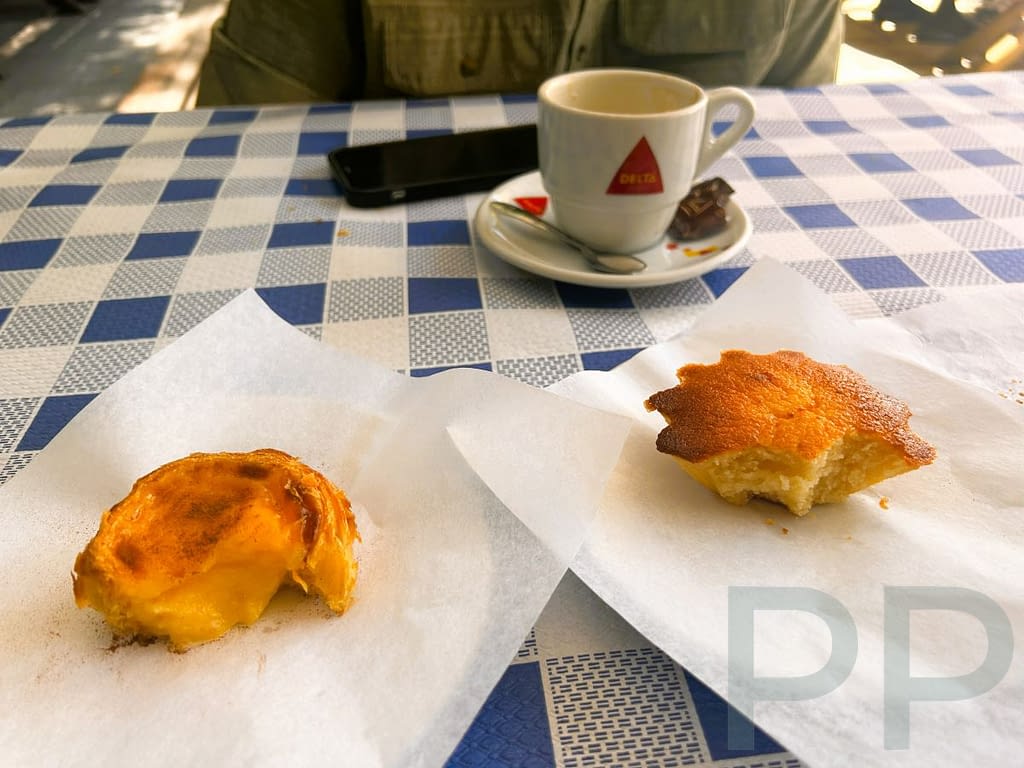
Évora is famous for its conventual sweets, recipes passed down from local convents. In addition to Pão de Rala, keep an eye out for queijadas de Évora (small cheesecakes with cinnamon), or azevias de grão (fried pastries with a sweet chickpea filling).
Évora sits in the heart of the Alentejo, a region celebrated for its hearty, rustic cuisine — think pork, lamb, and bread-based dishes — paired with some of Portugal’s most robust red wines.
Where to Stay in Évora 🏨
Although Évora works well as a day trip from Lisbon, staying overnight lets you experience the city at its most atmospheric. Early mornings before tour groups arrive and quiet evenings when the day-trippers have gone are wonderful. If you’re driving between Lisbon and the Algarve, Évora also makes a natural overnight stop that breaks up the journey nicely.
The most convenient place to stay is inside the historic city walls, where nearly all of Évora’s major sights are within a short walk. Here you’ll find a mix of small guesthouses, boutique hotels, and converted historic buildings that suit one- or two-night stays. Parking is typically just outside the walls near the aqueduct, making it easy to arrive by car and explore on foot.
For travelers who prefer more space, quieter surroundings, or vineyard views, there are also rural hotels and wine estates just outside Évora, often set among cork oaks and rolling plains. These can be a great option if Évora is part of a longer Alentejo road trip.
Here are current lodging options in Évora, including places inside the old town and nearby countryside stays:
Half-Day Itinerary for Évora, Portugal 🕰️
If you have just a few hours in Évora, here’s a walking route that captures the highlights, with time for pastries, shopping, and even a casual lunch. Start from the public parking lot northeast of the city walls near the aqueduct and follow this loop:
- Enter through the Aqueduct Gate (5–10 min walk) – Arrive under the arches of the aqueduct. Note how homes are built into it!
- Roman Temple & Surroundings (20 min) – Iconic Corinthian columns from the 1st century AD.
- Évora Cathedral & Rooftop (30–40 min) – Step inside, then climb up for sweeping rooftop views.
- Praça do Giraldo (15 min) – People-watch in the lively main square.
- The Bakery Lounge (30 min) – Enjoy a pastel de nata or Pão de Rala with coffee in this student hangout.
- Igreja de São Francisco & Chapel of Bones (30–40 min) – A grand church plus Évora’s most haunting site.
- O Mundo Fantástico da Sardinha Portuguesa (20 min) – Shop colorful tins of sardines, octopus, and more.
- Optional Lunch (1 hr) – End with a hearty meal at Taska Fina (casual) or finer dining at Dom Joaquim.
👉 Total walking time: about 1 hour, with stops bringing the itinerary to roughly 3.5–4.5 hours depending on your pace.
Practical Tips 💡
- Évora makes a perfect day trip from Lisbon — about 1h30–1h45 by car. You can also arrive by bus or train, but having a rental car gives you freedom to explore the surrounding Alentejo countryside, from prehistoric stone circles to small villages and wineries.
- Wear comfortable shoes — the cobblestone streets can be tough on your feet.
- Arrive early to see the major sights without the midday crowds, then linger over lunch or coffee in the square.
Parking in Évora 🚗
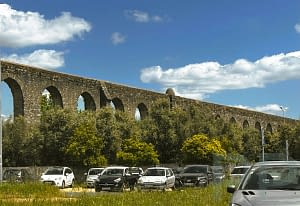
Driving into Évora is straightforward, but the medieval streets inside the old walls are narrow and best explored on foot. The easiest option is to park just outside the city walls, northeast of the old town, in the shadow of the aqueduct. There’s a large public parking lot here that’s only a short walk from the historic center. From there, you can wander in through one of the gates and be at the Roman Temple, cathedral, or main square within minutes. Parking is generally inexpensive (or sometimes free – we parked for free). Leaving your car outside the walls makes it simple to head back out toward Lisbon, the Algarve, or the Alentejo countryside when you’re ready to move on.
Plan Your Visit 🗺️
For up-to-date details on opening hours, ticket prices, and practical visitor information, check out the official Évora Portugal Tourism website. It’s a great resource to help you plan your trip smoothly and make the most of your time in the city.
Frequently Asked Questions About Visiting Évora
How long does it take to drive from Lisbon to Évora?
Driving from Lisbon to Évora takes about 1.5 to 1.75 hours by car, making it an easy day trip into the Alentejo region.
Is Évora worth visiting as a day trip?
Yes. Évora is a UNESCO World Heritage Site filled with Roman ruins, medieval churches, the Chapel of Bones, and a lively main square — all walkable in a half day.
Where should I park in Évora?
The easiest place to park in Évora is just outside the city walls, northeast of the old town, beneath the aqueduct in a large public lot within walking distance of the center.
Where should I eat in Évora?
For finer dining, try Dom Joaquim. Interested in a classic lunch or casual dinner? Taska Fina is a great choice. For breakfast or pastries, The Bakery Lounge is popular with locals and students.
Final Thoughts
Évora welcomes visitors from around the world, but it hasn’t yet reached the level of crowds you’ll find in Lisbon, Porto, or Sintra. You won’t feel run over by large tour groups here. Instead, the atmosphere is more relaxed — a mix of European travelers, day-trippers from Lisbon, and a steady flow of students and locals going about their day. That balance gives Évora a refreshing authenticity while still being easy to explore. Consider adding Évora as a detour in your Portugal driving route, or as a fantastic day trip from Lisbon!
Évora was a planned detour between the Algarve and Lisbon, and it proved to be one of the highlights of our Portugal trip. It’s a city where Roman ruins, medieval churches, whimsical shops, and modern student life exist side by side. Even a few hours here feels like stepping into Portugal’s layered story.
Related Guides
Epic 3-Week Spain and Portugal Itinerary (with Maps & Tips)
Lisbon in Three Days: A Well-Paced Itinerary with Belém or Sintra
A Medieval Surprise in Western Spain: Visiting Cáceres
How to Get Fit for Travel: Walk Farther, Spend Less, and See More