Day hiking is one of the simplest outdoor adventures you can do—no permits, no tents, no heavy packs required. But a little preparation makes the difference between a fun outing and a miserable slog. Here’s a practical guide to what to wear, what to pack, and how to be trail-ready.
🌄 What Counts as a Day Hike?
A day hike is any hike you can finish in one day. That could be a quick 2-mile loop or a 10-mile challenge with big elevation gain. Unlike backpacking, you won’t need a tent or cooking gear—but you’ll still want to be thoughtful about clothing, food, and safety.
Hiking is accessible to almost everyone, and it’s one of the best ways to reach places you can’t see from the road: mountain tops, waterfalls, hidden beaches, and remote viewpoints.
⚠️ Common Trail Problems (and How to Avoid Them)
Hiking is safe and rewarding, but small annoyances can ruin a day if you’re not prepared. A few to watch out for:
✔️ Blisters → wear broken-in shoes, good socks, and pack band-aids or moleskin
✔️ Chafing → avoid cotton, wear snug or moisture-wicking layers
✔️ Sunburn → apply sunscreen before you go, and bring a hat and sunglasses
✔️ Aching feet or sore muscles → supportive shoes and pacing make all the difference
✔️ Headache → often caused by dehydration or sun exposure
✔️ Dehydration → sip water regularly (don’t wait until you feel thirsty)
👕 What to Wear on the Trail
Think layers. Weather can shift quickly, and sweat cooling on your skin can make you cold fast.
✔️ Top layers: moisture-wicking t-shirt → long-sleeved shirt or fleece → lightweight, packable rain jacket with a hood
✔️ Bottoms: lightweight pants or shorts that are breathable and easy to move in (leggings or yoga pants work well too)
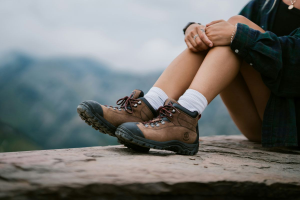
✔️ Shoes: trail runners or hiking boots with good traction (always break them in first!)
✔️ Socks: wool or synthetic blends to keep feet dry and prevent blisters
✔️ Extras: hat, sunglasses, scarf or buff, rain poncho if storms are in the forecast
🎒 What to Bring on a Day Hike
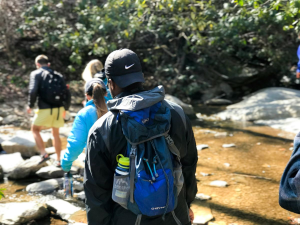
You don’t need a giant pack, but a daypack with room for layers, food, and water is key. A school-size backpack works fine, but a hiking daypack with exterior pockets for water bottles and small items makes it easier to stay organized on the trail.
✔️ Phone & ID (for navigation, safety, and photos)
✔️ Water (minimum 8 oz per hour; most hikers carry reusable bottles, but a hydration bladder can make it easier to sip often on the move)
✔️ Snacks (nuts, jerky, trail mix, bars, fruit, or a sandwich)
✔️ First aid basics (band-aids, ibuprofen, blister care, wipes, sanitizer, lip balm)
✔️ Sun protection (sunscreen, sunglasses, hat)
✔️ Optional → hiking poles, poncho, camera, Ziploc bags for trash
🌟 A Few Smart Extras
Most day hikes don’t require much beyond the basics, but a couple of lightweight items can make a huge difference if plans change:
✔️ Headlamp or small flashlight → worth its weight if your hike runs late and you find yourself finishing after dark
✔️ Offline map or paper backup → apps like AllTrails are great, but download your route before losing service
✔️ Emergency shelter or space blanket → packs down tiny, handy if you ever get stuck out longer than planned
✔️ Mini fire starter (optional) → waterproof matches or a lighter for longer, remote hikes
👶 Hiking With Kids
Kids love to be outside! The same rules apply—just add more snacks, more breaks, and a little patience. Kids may tire faster, so keep hikes shorter and more fun, mix in storytelling, and protect them from sunburn and insect bites.
💪 Building Up to Bigger Hikes
If you’re new to hiking or planning a long one, practice first. Carry your daypack on walks around your neighborhood or a local park, add distance gradually, and get used to your shoes, socks, and hydration system.
When Fred and I trained for our hike to the bottom of the Grand Canyon, we “practiced” by repeatedly climbing Stone Mountain in Atlanta. It built endurance, tested our gear, and gave us confidence before the big trip.
🌲 Final Thoughts
Day hiking doesn’t require much, but a little planning goes a long way. With the right clothing, gear, and mindset, you’ll be ready to enjoy everything from waterfall strolls to summit climbs.
👉 Want the full gear breakdown, product links, and detailed tips?
Check out our Complete Guide to Day Hiking on Panoramic Pathways.