If you’re exploring France’s Alsace region, Colmar is hard to beat as a home base.
Unlike many historic European cities, Colmar escaped widespread wartime destruction, helping preserve the remarkable old town visitors enjoy today.
Its beautifully preserved old town is an attraction in its own right, yet it’s also within easy reach of vineyard-covered hillsides, medieval wine villages, and hilltop castles. Rather than changing hotels every night, spend a couple of days in Colmar and experience the best of Alsace from one compact, walkable town.
Many visitors arrive expecting a pretty French town. Colmar certainly delivers that, but it also offers something different. Shaped by centuries of both French and German influence, the town has its own distinct identity, reflected in its architecture, cuisine, traditions, and atmosphere.
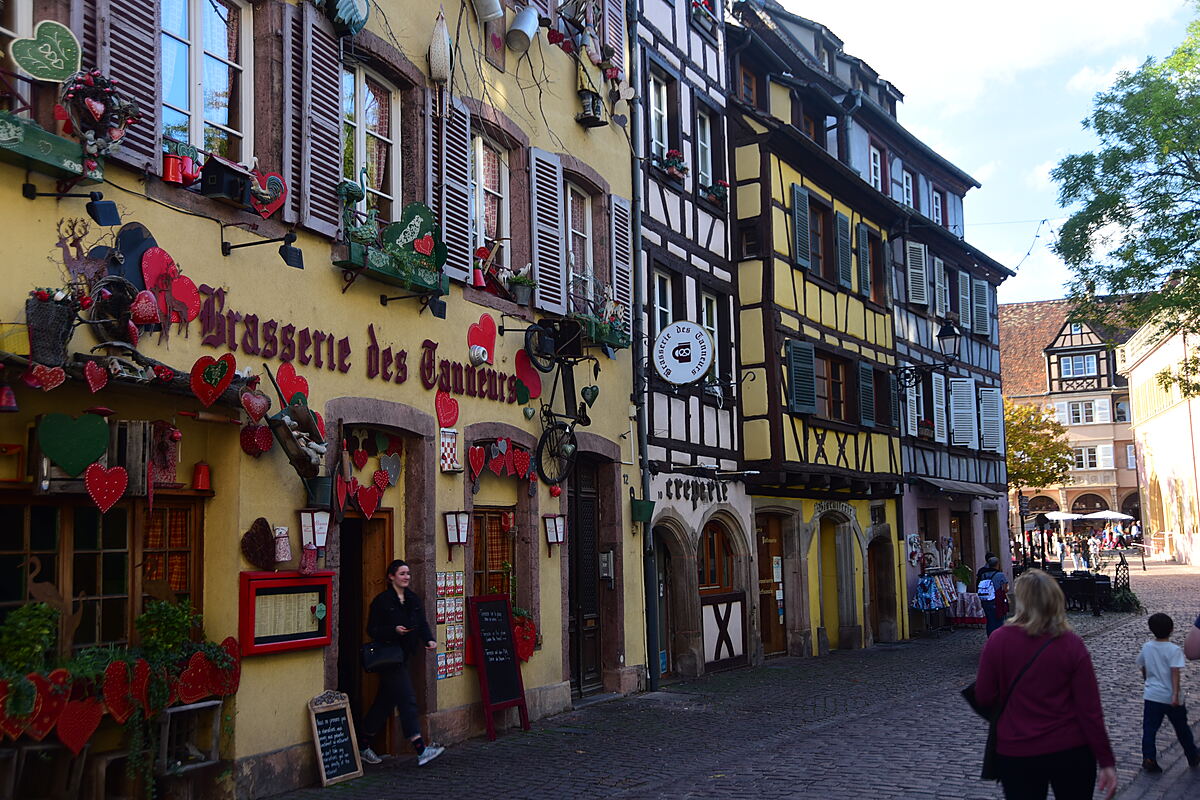
We visited Colmar during an October road trip through Europe and found it to be the perfect introduction to Alsace.
We spent two nights in Colmar and found it to be the ideal amount of time—long enough to experience the town itself while also exploring nearby villages like Turckheim, Kaysersberg, and Riquewihr before continuing on to Paris.
Here’s how we’d recommend experiencing Colmar.
What Makes Alsace Different?
Before talking about Colmar itself, it’s worth taking a minute to understand Alsace.
Located in northeastern France between the Vosges Mountains and the Rhine River, Alsace borders Germany and Switzerland. For centuries, the region alternated between French and German rule, creating a culture that’s noticeably different from anywhere else in France.
You’ll see it in the colorful timber-framed houses. You’ll taste it in hearty Alsatian dishes alongside classic French pastries. You’ll notice it in town names like Turckheim and Kaysersberg and in traditions that feel uniquely Alsatian rather than purely French or German.
Alsace is also famous for the Alsace Wine Route, one of France’s best-known scenic drives. Vineyards blanket the rolling hillsides, connecting dozens of picturesque villages that seem almost untouched by modern development.
Colmar sits near the center of it all, making it one of the easiest places to stay while exploring the region.
A Cultural Note
One thing that surprised us was that service sometimes felt more reserved than we were accustomed to in the United States. We experienced a few interactions that came across as abrupt, even after attempting to greet people in French.
Rather than letting it overshadow the trip, we simply adjusted our expectations and focused on everything else Colmar had to offer. It’s a small part of the experience in a town that’s otherwise one of the most memorable places we visited in France.
Explore Colmar Your Way
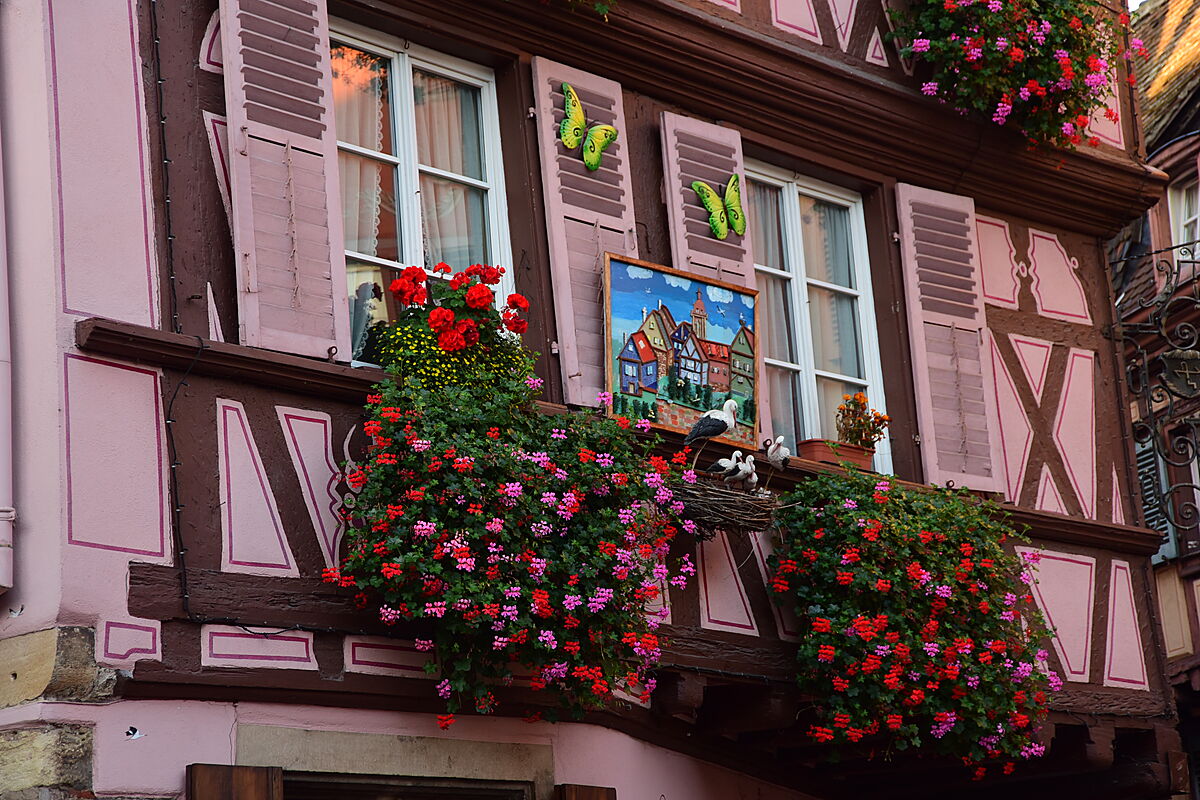
If you enjoy having a plan, the self-guided walk below connects the town’s major landmarks in a logical order and makes a great introduction to the historic center. Allow about 60 to 90 minutes, longer if you visit the church or museum.
If you prefer a more relaxed approach, simply wander. Colmar’s old town is easy to discover without an itinerary. Browse the shops, pause at a café, cross another bridge just to see where it leads, and enjoy discovering the town at your own pace.
Whichever approach you choose, leave time to wander. You can even do both—we did. The landmarks are worth seeing, but the atmosphere between them is what makes Colmar so memorable.
A Self-Guided Walk Through Historic Colmar
Allow about 60–90 minutes if you’re simply exploring, longer if you stop to visit the church or museum.
| Stop | Why It’s Worth Seeing |
|---|---|
Koïfhus (Old Customs House) | Colmar’s oldest public building and a reminder of the town’s prosperous trading history. |
| Maison Pfister | Colmar’s most photographed house, known for its colorful Renaissance architecture, painted murals, and wooden gallery. |
| Collegiate Church of Saint-Martin | Colmar’s magnificent Gothic church, worth stepping inside to admire its soaring interior. |
| Dominican Church | A simple Gothic church housing Martin Schongauer’s celebrated Madonna of the Rose Bush. |
| Maison des Têtes | A Renaissance mansion decorated with more than 100 carved stone faces on its façade. |
| Unterlinden Museum | Home to the famous Isenheim Altarpiece and one of France’s finest regional art museums. |
| Marché Couvert (Covered Market) | A lively indoor market featuring local foods, pastries, cheeses, and produce. |
| Petite Venise | Colmar’s iconic canal district, lined with colorful half-timbered houses and flower-filled balconies. From here, either continue wandering the old town, stop for lunch, or take the canal cruise. |
Make Time to Wander the Old Town
In Colmar, the old town is the attraction.
The joy comes from wandering—turning down a side street because it looks interesting, peeking into an open courtyard, crossing another flower-lined bridge, or popping into a shop that catches your eye.
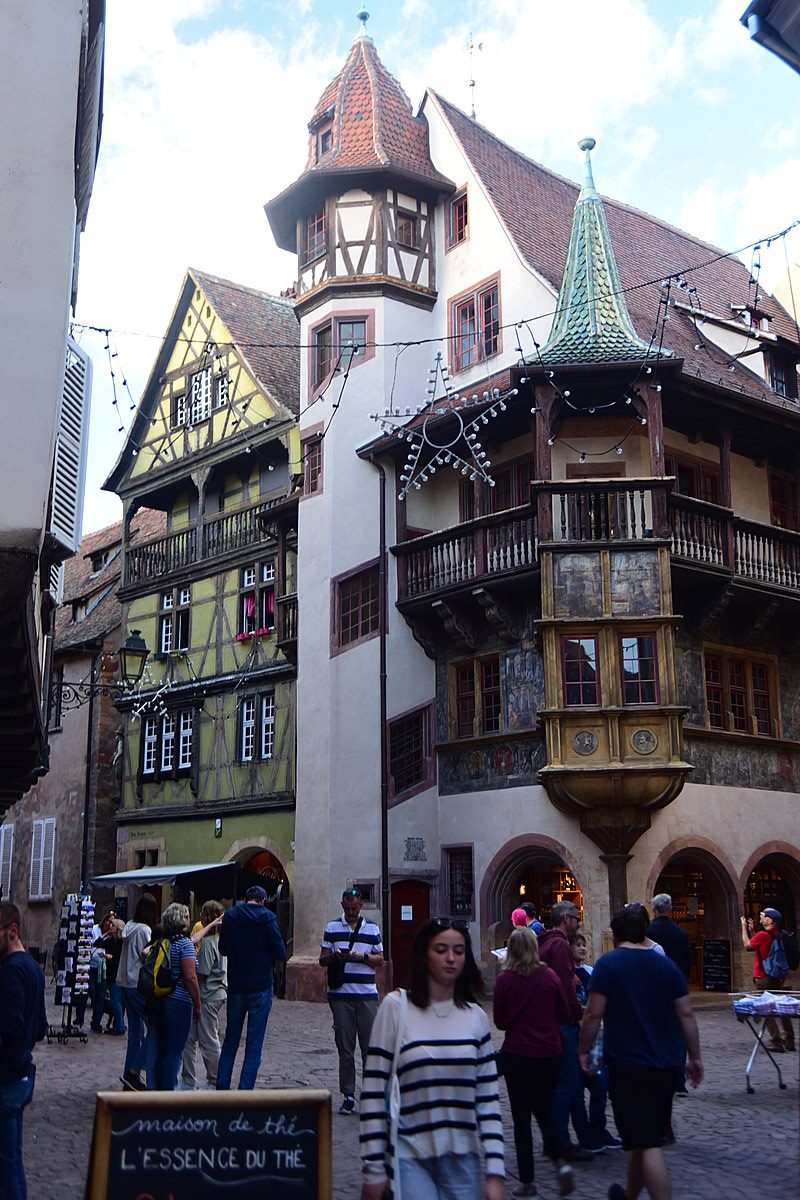
The historic center is compact enough that you can browse comfortably on foot, yet large enough that every walk seems to uncover another charming corner.
Don’t miss strolling along Rue des Marchands, one of Colmar’s most beautiful historic streets. Lined with colorful half-timbered buildings, shops, cafés, and several of the town’s best-known landmarks, it’s the kind of street that invites you to slow down and simply enjoy the surroundings.
Decorative shop signs hang above centuries-old storefronts, fountains animate quiet squares, and colorful half-timbered houses seem to compete for your attention.
Rather than treating them as stops on a checklist, simply enjoy discovering them as you wander the old town.
Unlike some historic cities where sightseeing revolves around a handful of major landmarks, Colmar rewards curiosity. Some of our favorite moments came between attractions rather than at them.
Stroll Through Petite Venise
No visit to Colmar is complete without spending time in Petite Venise, the town’s most photographed neighborhood.
Colorful houses line the canal, flower boxes spill from nearly every balcony, and reflections shimmer in the water below. It’s easy to see why this is the image most people associate with Colmar.
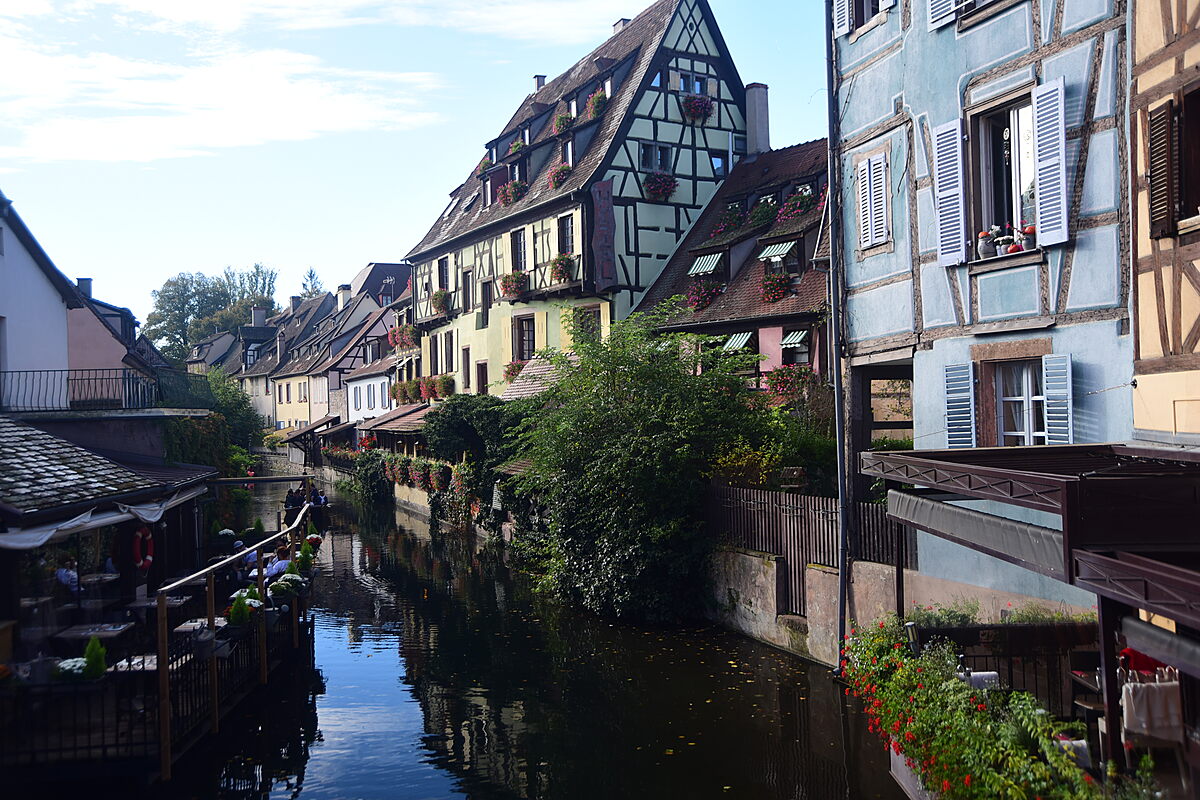
Walk both sides of the canal, cross each bridge, and don’t feel like you have to keep moving. Every few steps reveal a slightly different perspective.
While Petite Venise is the postcard view of Colmar, it’s just one part of a much larger old town that’s equally rewarding to explore.
Step Inside Saint-Martin’s Church
Dominating Colmar’s skyline, the Collegiate Church of Saint-Martin is the town’s most impressive religious building. Constructed primarily in the 13th and 14th centuries from distinctive pink and golden Vosges sandstone, it showcases beautiful Gothic architecture both inside and out.
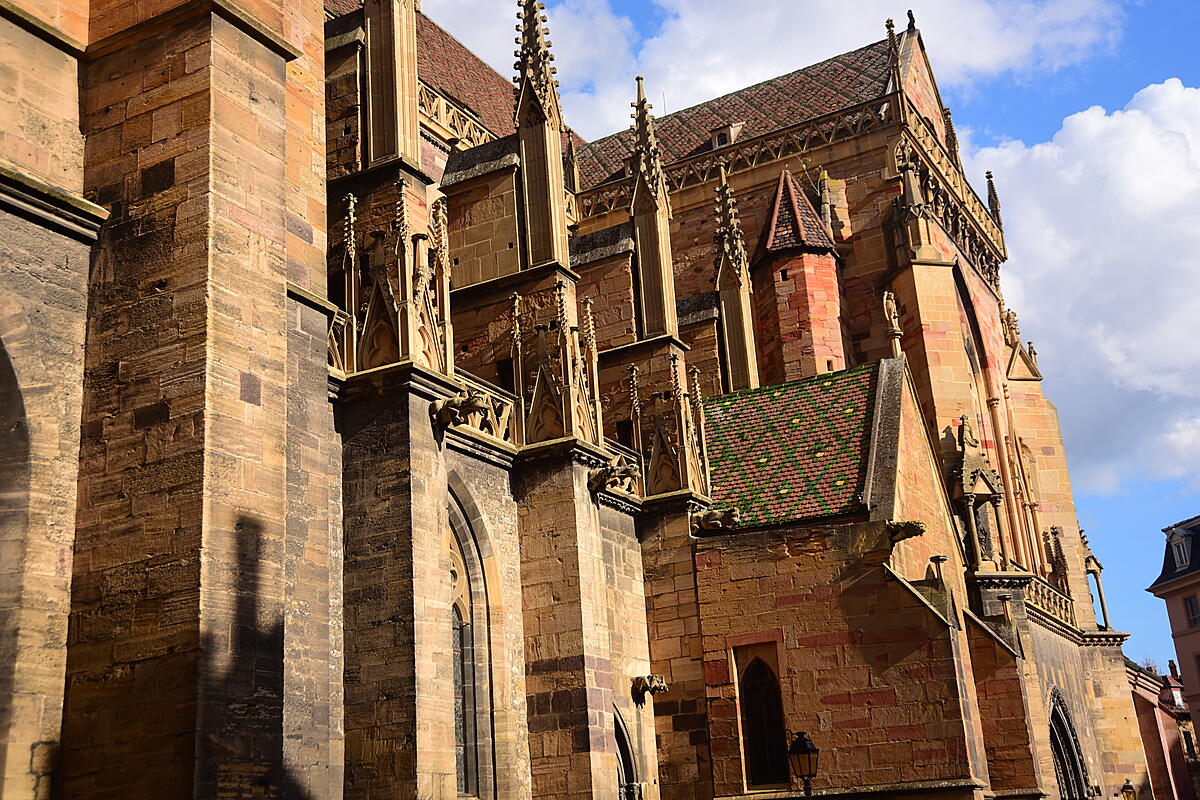
Even if you don’t typically visit churches while traveling, it’s worth stepping inside for a few quiet minutes. The soaring interior provides a peaceful contrast to the lively streets outside and offers another glimpse into Colmar’s long history.
Visit the Unterlinden Museum
If you plan to visit one museum in Colmar, make it the Unterlinden Museum.
Housed in a former 13th-century Dominican convent, the museum’s greatest treasure is the Isenheim Altarpiece, one of the masterpieces of Renaissance religious art. Even visitors who don’t typically spend much time in museums are often impressed by its scale, detail, and fascinating history.
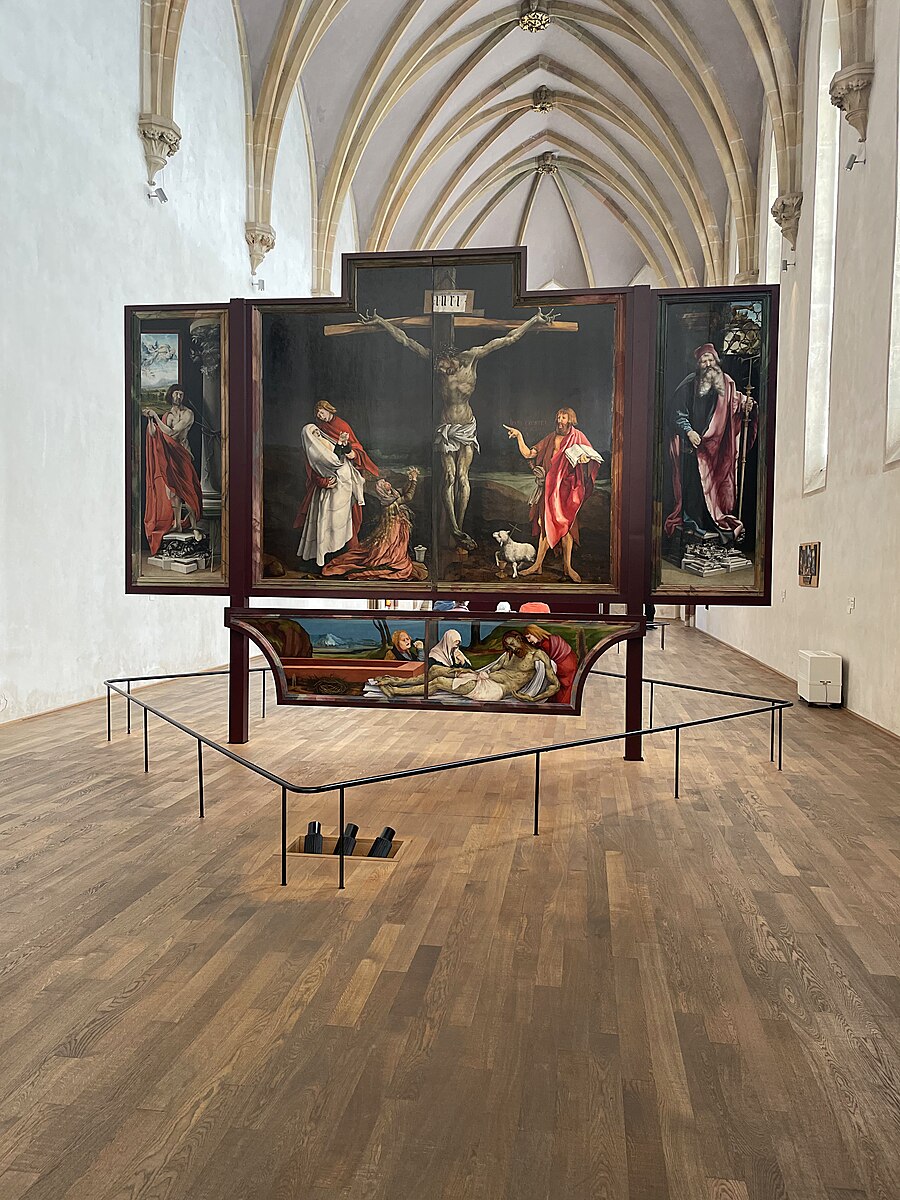
The museum also includes archaeological artifacts, medieval sculpture, decorative arts, paintings, and temporary exhibitions.
We enjoyed learning about the Isenheim Altarpiece, but unless you’re a devoted art lover, you probably don’t need to dedicate half a day here. An hour or two is enough for most visitors before heading back into the streets that make Colmar so memorable.
For tickets and more information, visit the official Unterlinden Museum website.
Musée Bartholdi (optional)
Interested in the Statue of Liberty? The Bartholdi Museum occupies the birthplace of Frédéric Auguste Bartholdi, the sculptor who designed New York’s Statue of Liberty. The museum explores his life and work and makes an interesting addition for visitors with an interest in art, sculpture, or Franco-American history.
Browse the Marché Couvert (Covered Market)
The Covered Market offers a glimpse into everyday life in Colmar.
Inside you’ll find local cheeses, fresh produce, pastries, meats, flowers, prepared foods, and regional specialties. It’s an enjoyable stop whether you’re shopping for picnic supplies or simply browsing.
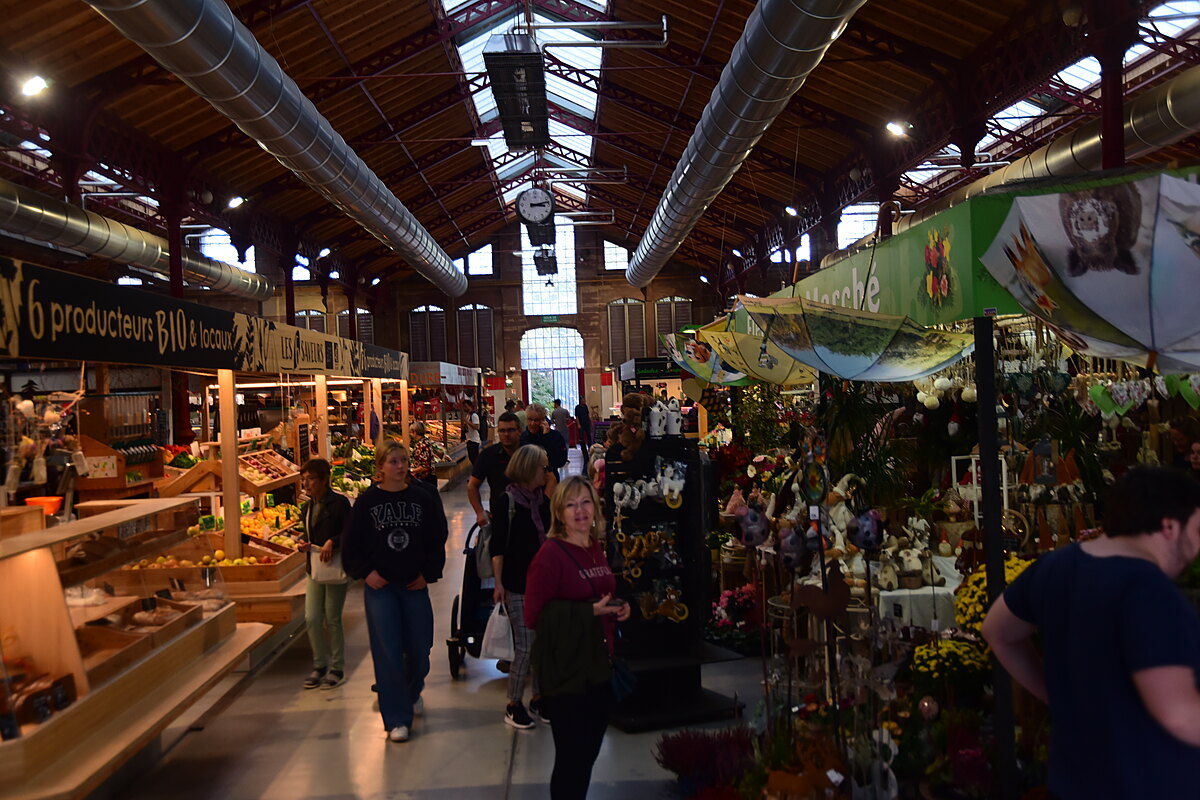
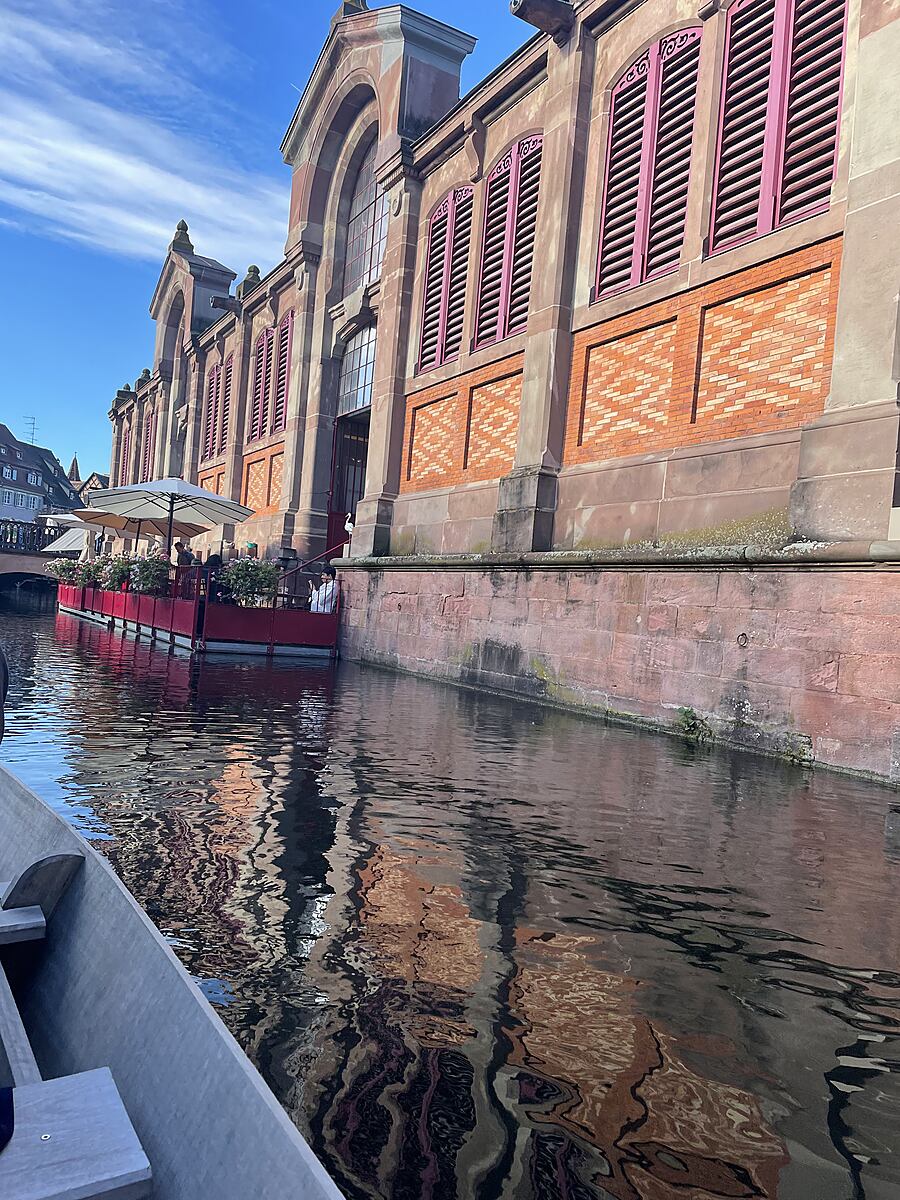
Before you leave, walk around to the back of the market. Outdoor restaurant terraces overlook the canal, creating one of Colmar’s prettiest dining settings. Even if you don’t stop for a meal, it’s worth taking a few minutes to enjoy the view.
Look Beyond the Main Streets
While the streets around Petite Venise attract the biggest crowds, spend a little time exploring the surrounding old town as well. You’ll find a pleasant mix of boutiques, bakeries, home décor stores, and everyday shops that give Colmar the feel of a living town rather than simply a tourist destination.
The Canal Cruise— Is it Worth It?
The short canal cruises through Petite Venise are popular, but I’d consider them optional rather than essential.
The boats follow a route of roughly 10 to 15 minutes, offering a relaxing perspective of Colmar from the water. It’s pleasant and provides a few photo opportunities you won’t get from the bridges above.
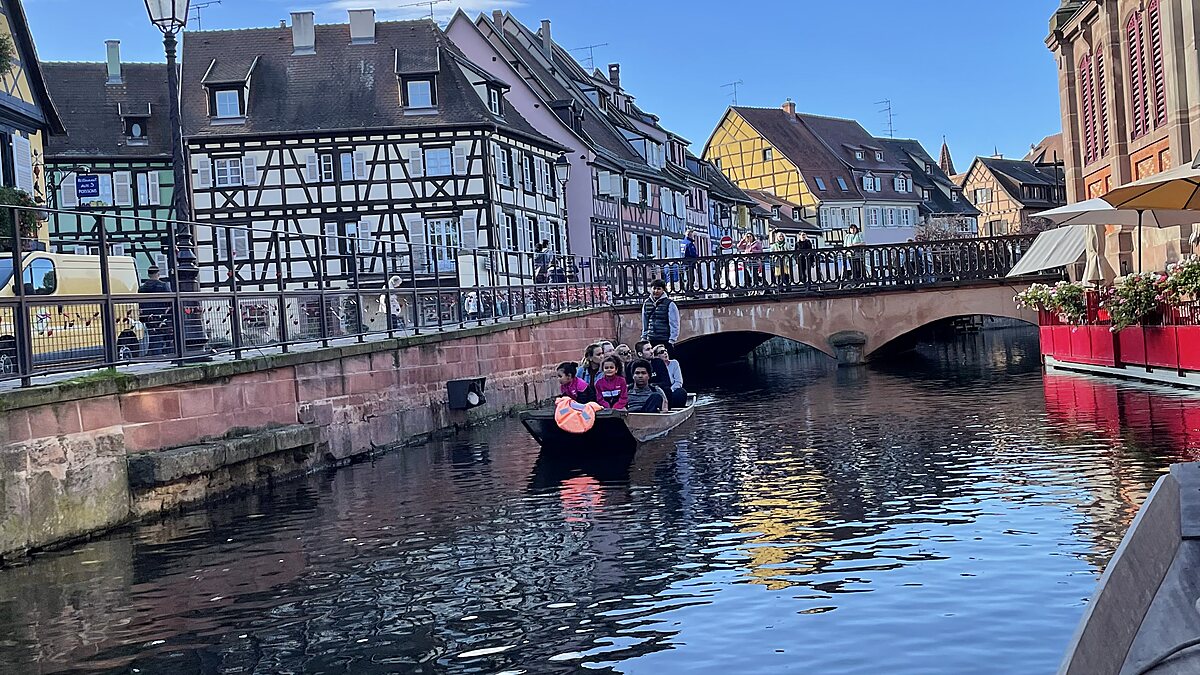
When we visited, however, the next departure had already sold out, so we purchased tickets for a later cruise and returned. While we enjoyed the ride, we appreciated exploring Colmar on foot even more.
If taking the cruise is important to you, buy your tickets earlier in the day. If you miss out, don’t worry. The essence of Colmar isn’t found from the boat, but from wandering its streets.
Taste Colmar
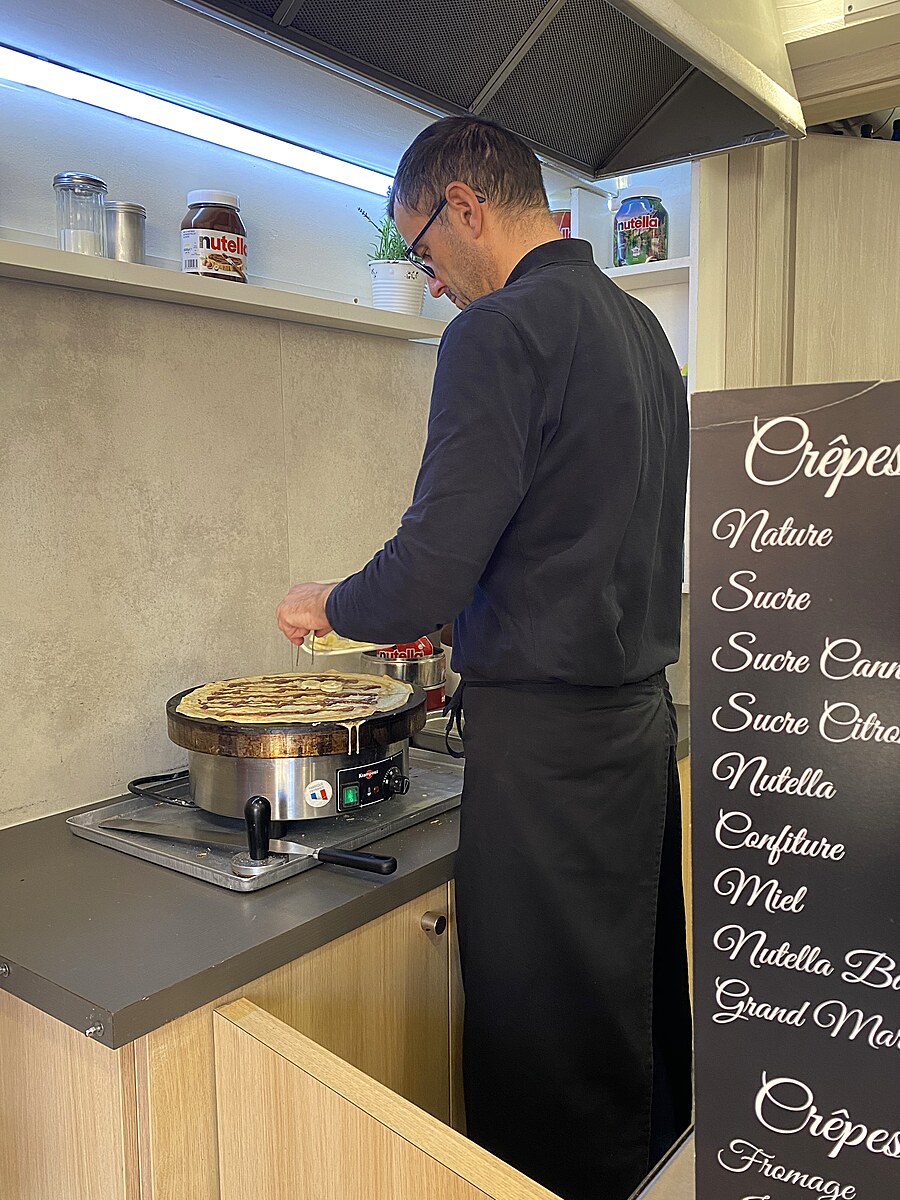
One of the best ways to experience Colmar is to enjoy its cafés, bakeries, and traditional Alsatian restaurants.
Thanks to the region’s French and German heritage, you’ll find a cuisine that’s distinct from what many visitors expect elsewhere in France. Classic French pastries share menus with hearty regional specialties, while local wines from the surrounding vineyards appear on nearly every wine list.
Try Tarte Flambée
If you order just one regional specialty, make it tarte flambée, also known by its Alsatian name, flammekueche.
Often compared to pizza, tarte flambée features a paper-thin crust topped with crème fraîche, onions, and bacon rather than tomato sauce and mozzarella. The result is crisp, rich, and surprisingly light. Many restaurants also offer variations topped with mushrooms, local cheeses, or seasonal vegetables.
It’s simple, delicious, and one of the dishes most closely associated with Alsace.

Don’t Skip the Crêpes
One thing that surprised us was just how many crêperies we found throughout Colmar.
Whether you’re looking for a quick lunch or an afternoon treat, crêpes are everywhere. Choose a sweet version filled with chocolate, fruit, or caramel, or opt for a savory crêpe with ham, cheese, mushrooms, or egg.
They’re an easy, affordable meal while exploring the old town and became one of our favorite stops between sightseeing.
Enjoy a Traditional Alsatian Dinner
For dinner, we recommend trying one of Colmar’s traditional Alsatian restaurants.
We enjoyed an excellent meal at Restaurant Au Koïfhus, where regional dishes are served in a historic setting just steps from the old town’s main sights. It’s a good place to sample local cuisine after a day of exploring.
If the weather is nice, consider choosing a restaurant with outdoor seating. One of the pleasures of spending an evening in Colmar is lingering over dinner while watching the town gradually quiet down around you.
Where to Stay in Colmar
I recommend staying inside Colmar’s historic center. Being able to step outside your door and immediately begin exploring transformed our experience.
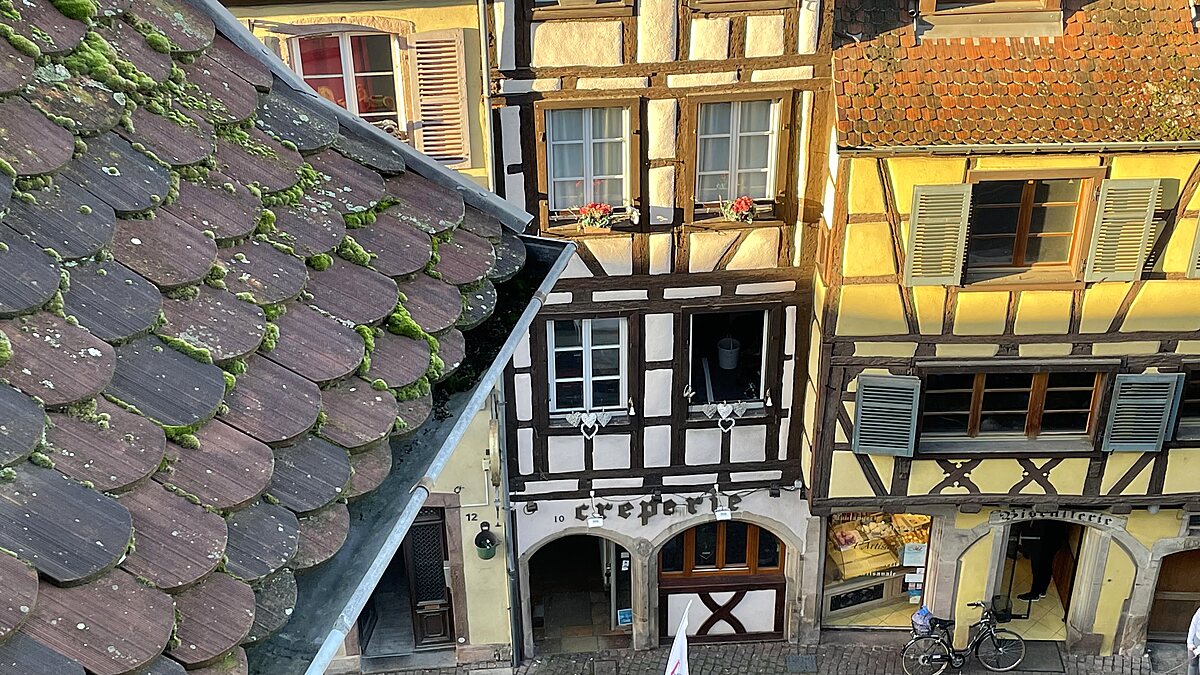
We loved staying in the old town because everything was within walking distance. Restaurants, bakeries, shops, and Colmar’s main attractions were all just a few minutes away, making it easy to come and go without worrying about traffic or parking. In fact, there was a bakery right across from our door where we got fresh croissants each morning.
If you’re renting a car, don’t let scarcity of parking discourage you from staying in Colmar’s historic center. Much of the old town is pedestrian-only, but many hotels and vacation rentals either provide parking or can direct you to a nearby lot. Our Airbnb host arranged parking a short walk from the apartment. After unloading our luggage, Fred parked the van and walked back in just a few minutes. We simply picked it up again when we checked out.
For us, that was a small tradeoff for being able to experience the town without spending time commuting.
Whether you choose a hotel or a vacation rental, I recommend making Colmar your home base for at least two nights. It provides enough time to enjoy the town itself while giving you the flexibility to venture out into the surrounding villages without feeling rushed.
Explore Beyond Colmar
One of Colmar’s greatest strengths is its location.
Within 30 minutes, you can visit some of France’s prettiest villages, drive through vineyard-covered hillsides, or explore one of the region’s most impressive castles—all while returning to Colmar for dinner.
Visit the Storybook Villages of Alsace
One of the highlights of our time in Alsace was discovering the smaller villages surrounding Colmar. Although each has its own personality, they all share the colorful half-timbered architecture, flower-filled streets, and relaxed atmosphere that make this region so distinctive.
Turckheim
If we had to choose a favorite village, it would probably be Turckheim.
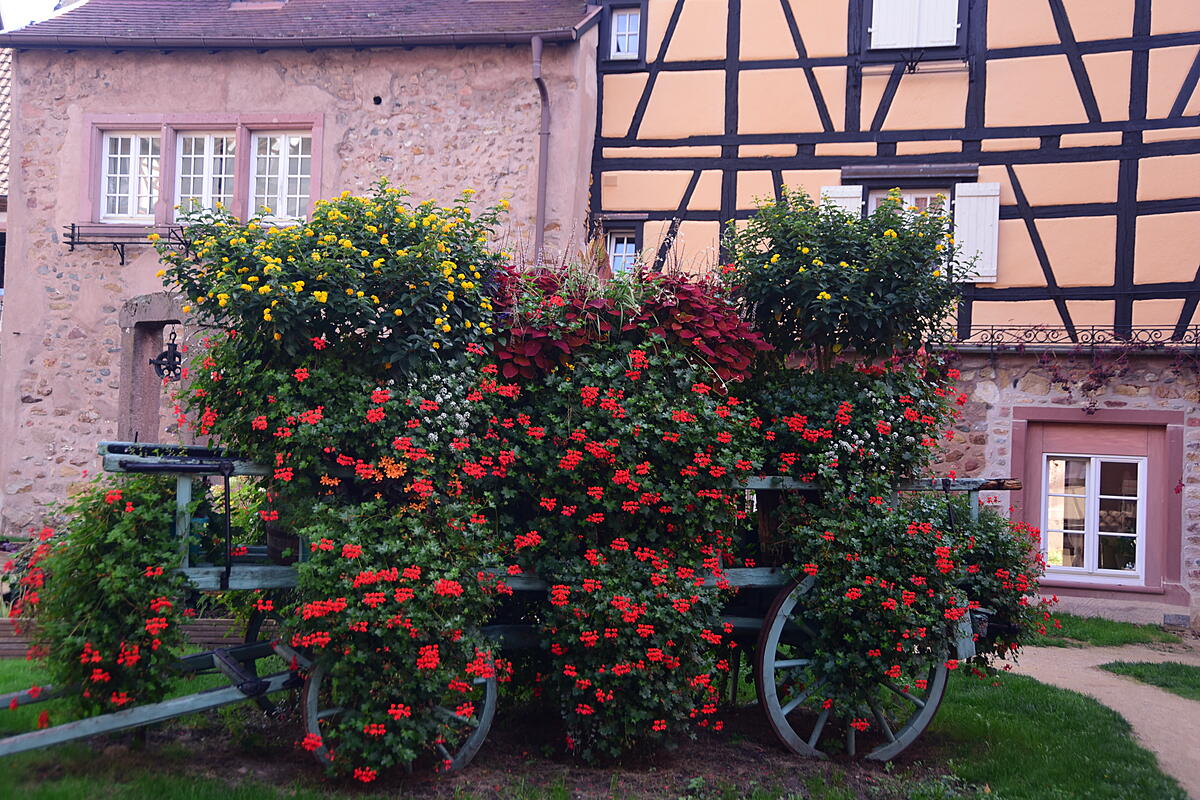
Just 15 minutes from Colmar, this beautifully preserved medieval village felt especially peaceful during our visit. We loved wandering its quiet streets, admiring the colorful buildings, and soaking in the atmosphere. If you’re looking for a slower-paced alternative to Colmar, don’t miss it.
The pristine, half-timbered village appears locked in a bygone era, and brilliant flowers spill out of windows and fill open spaces. As you walk around, it’s hard to believe that little Turckheim is real!
Kaysersberg
Kaysersberg combines medieval charm with a picturesque river running through the center of town.
Even if you only have an hour or two, it’s an enjoyable stop for wandering the historic streets, crossing the old stone bridge, and seeing the statue of Albert Schweitzer, who was born here.
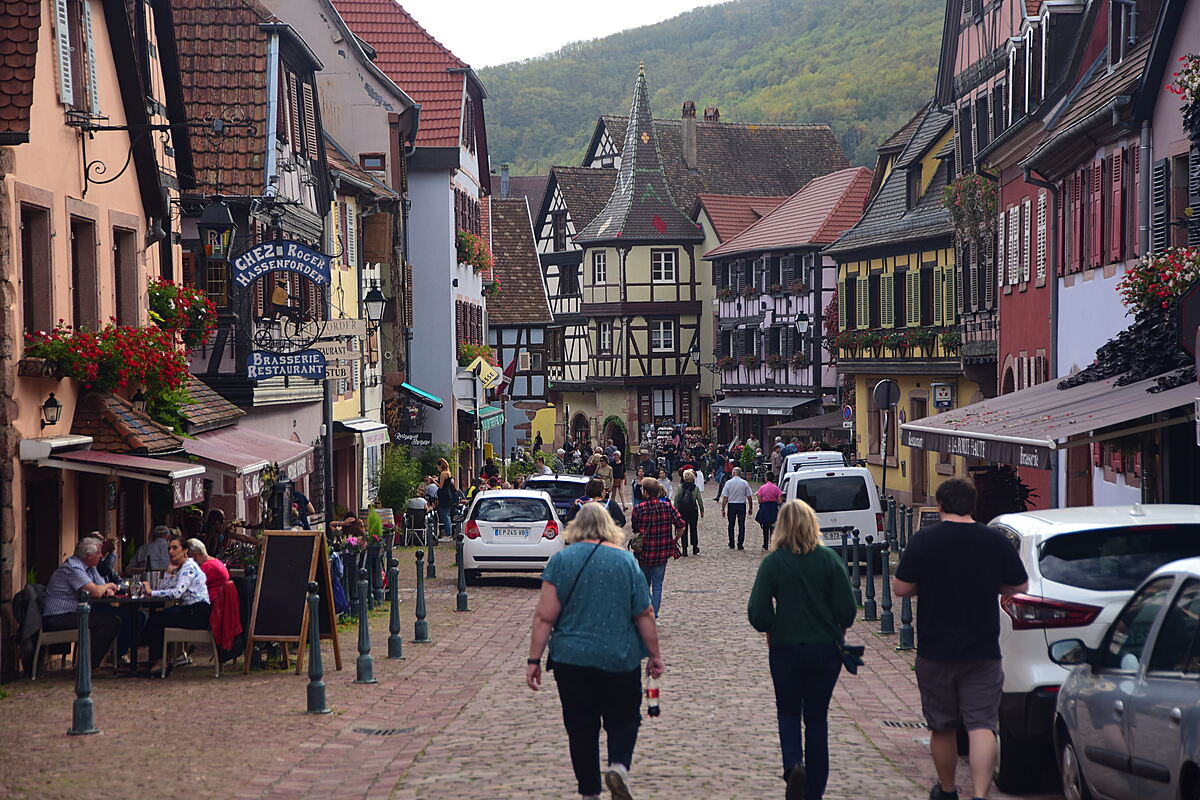
Riquewihr
Perhaps the best-known wine village in Alsace, Riquewihr looks much as it did centuries ago. Surrounded by vineyards and medieval walls, it’s easy to understand why it’s considered one of the region’s most beautiful villages.
Its lively main street is lined with wine shops, cafés, and beautifully preserved buildings, making it a wonderful place to spend a leisurely afternoon.
Eguisheim
Although we didn’t visit Eguisheim on this trip, it’s consistently ranked among the most beautiful villages in France and is only about 15 minutes from Colmar. If your itinerary allows, it’s one of the easiest additions to a stay in Colmar.
Visit Château du Haut-Kœnigsbourg
If you have time for just one castle in Alsace, make it Château du Haut-Kœnigsbourg.
Perched high above the surrounding vineyards, the restored medieval fortress offers sweeping views across the Alsace Plain and, on clear days, all the way to Germany’s Black Forest.
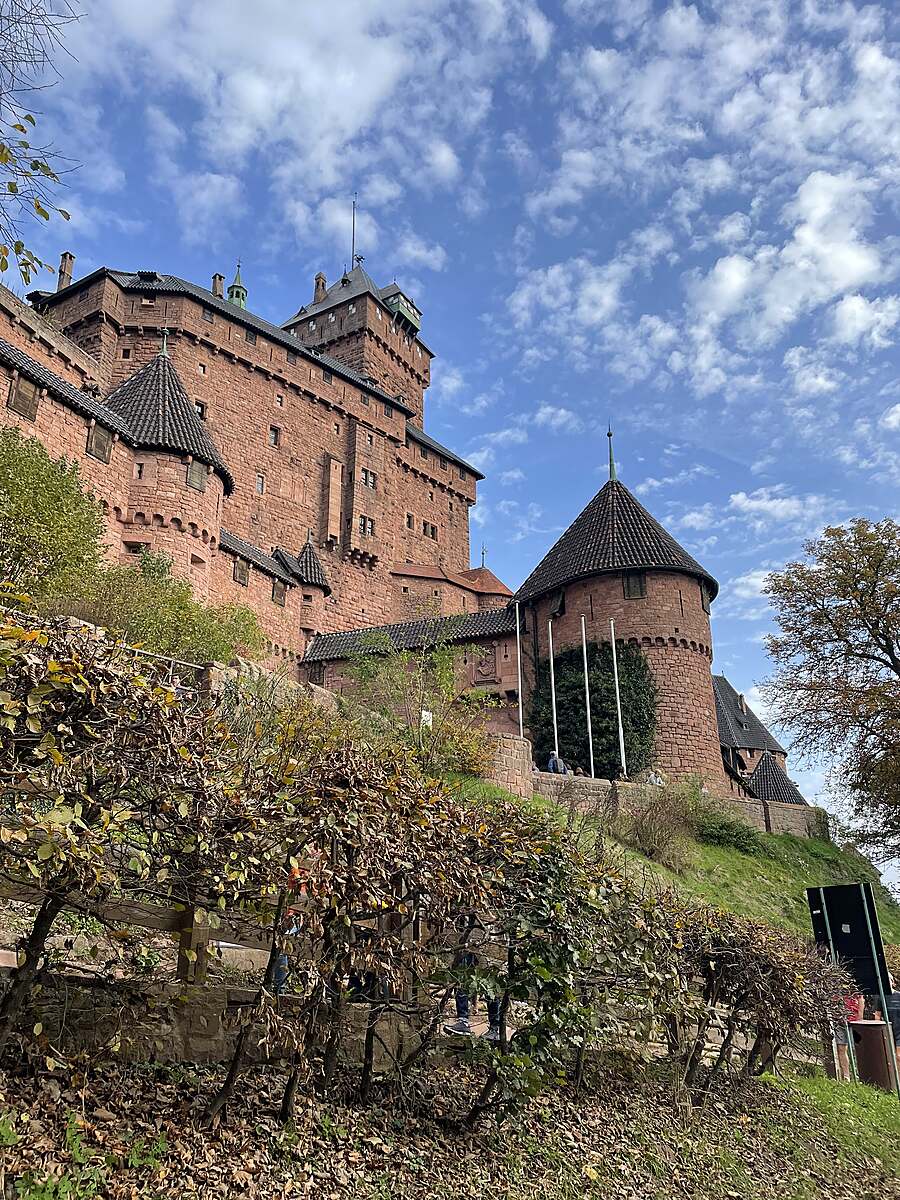
It’s easy to combine with a visit to one or more nearby villages, making it an excellent half-day excursion from Colmar.
To find out more information, including opening hours, visit the official Château du Haut-Kœnigsbourg website.
Drive the Alsace Wine Route
Even if you don’t consider yourself a wine enthusiast, don’t miss the opportunity to enjoy part of the Alsace Wine Route.
The route winds through vineyards, rolling hills, and picturesque villages, connecting many of the region’s most memorable destinations. Whether you stop for a wine tasting, browse village markets, or simply enjoy the scenery, it’s one of the best ways to appreciate the character of Alsace beyond Colmar itself.
If you’re not renting a car, guided wine tours from Colmar make it easy to experience the region without driving.
A Suggested Two-Day Colmar Itinerary
Day 1
Spend the day exploring Colmar itself. Take our self-guided walk, wander the old town, visit Petite Venise and take the canal cruise (optional), browse the Marché Couvert, enjoy lunch at a local café or crêperie, and visit the Unterlinden Museum. End the day with dinner in the historic center.
Day 2
Choose two or three nearby villages—or combine one village with Château du Haut-Kœnigsbourg. Return to Colmar for a relaxed final evening before continuing your journey through France.
Plan Your Visit
| If you’re wondering… | Our recommendation |
|---|---|
| How long should you stay? | Two nights. That gives you one full day to enjoy Colmar and another to discover nearby villages or Château du Haut-Kœnigsbourg. |
| Where should you stay? | Inside Colmar’s historic center if possible. Being able to walk everywhere adds enormously to the experience. |
| Do you need a car? | Not for Colmar itself. The old town is compact and easy to discover on foot. A car is helpful for visiting the surrounding villages and driving part of the Alsace Wine Route, although guided tours are also available. |
| Best time to visit? | Spring, fall, or Christmas market season. We visited in October and found warm weather, beautiful flowers, and fewer crowds than peak summer. |
For current information on seasonal events, canal cruise schedules, and Christmas markets, visit the official Colmar Tourism website.
Final Thoughts
Colmar is more than one of France’s prettiest towns. It’s a place that invites you to slow your pace just enough to appreciate the details—the colorful architecture, inviting cafés, historic churches, local flavors, and nearby villages that together define Alsace.
Whether you’re wandering the old town, driving the Alsace Wine Route, or discovering another storybook village, Colmar makes an ideal base for experiencing this remarkable region. We left with a much deeper appreciation for Alsace than we could have gained by simply passing through, and I think you will too.
Related Guides
3-Week Spain and Portugal Itinerary (with Maps & Tips) – includes links to destinations in Spain and Portugal
Europe Packing List for Carry-On Only Travel
Long-Haul Travel: The Quiet Realities (and Small Adjustments) That Make a Big Difference
More France Guides Coming Soon
We’ll continue adding France guides as we work through our past trips and future travels. Check back for more practical itineraries, destination guides, and firsthand travel tips from Alsace, Paris, and beyond.