(With an Optional Montserrat Day Trip)
Barcelona, Spain has a palpable joie de vivre — a confidence and energy that’s felt almost immediately. Life spills into the streets here. Wide boulevards shaded by linden trees soften the city’s grand geometry, plazas invite lingering, and daily routines unfold outdoors. With a mild, year-round climate, Barcelona naturally encourages walking, conversation, and evenings that stretch long after the sun goes down.
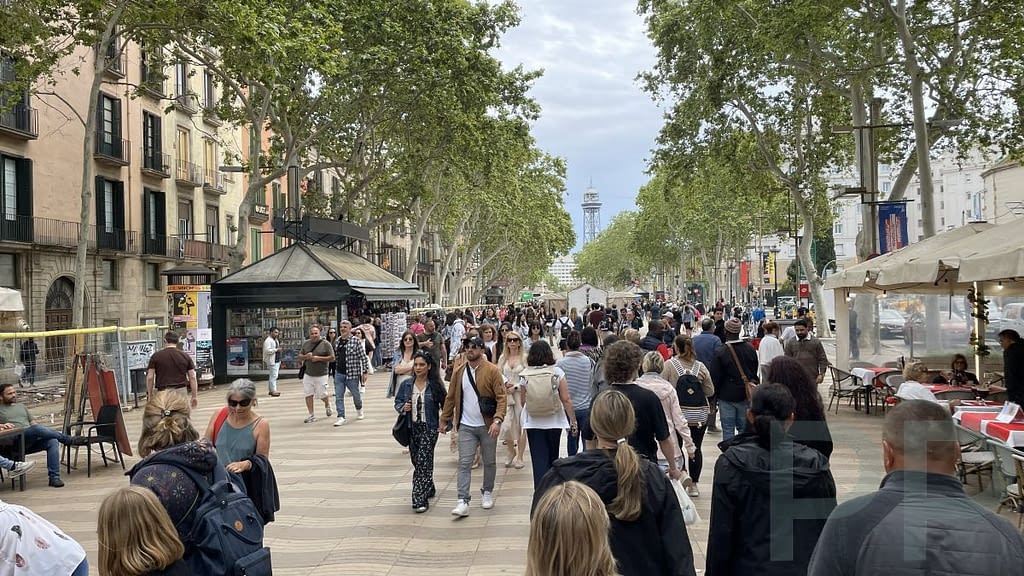
That spirit is woven directly into the city’s architecture, and nowhere is it more evident than in the influence of Antoni Gaudí. Long before I ever set foot in the city, I encountered his work through guidebooks, photographs, and travel videos — and even from afar, it felt unmistakably different. The fantastical curves, playful twists, and refusal to follow straight lines suggested architecture that was alive, expressive, and deeply connected to the natural world.
Seeing Gaudí’s work in Barcelona makes something click. His buildings don’t simply stand apart as landmarks; they shape how the city feels as you move through it. From the light-filled interior of the Sagrada Família to the flowing façades along Passeig de Gràcia and the whimsical forms of Park Güell, his influence reinforces Barcelona’s sense of creativity, openness, and joy.
This itinerary is designed to reflect that same rhythm. Rather than rushing between highlights, it balances iconic sights with the lived-in energy of the city itself — leaving room to appreciate not just what you see, but how Barcelona feels.
The best way to begin is by stepping into the city’s oldest neighborhoods, where history and everyday life unfold at walking pace.
Who This Itinerary Is Best For
- First-time visitors
- Walkers
- Architecture & culture-focused travelers
- Those who enjoy pacing over checklists
Day 1: The Old City Core — Gothic Quarter & El Born
Theme: History, culture, and layered streets
Logistics: Flat, walkable, transit-light
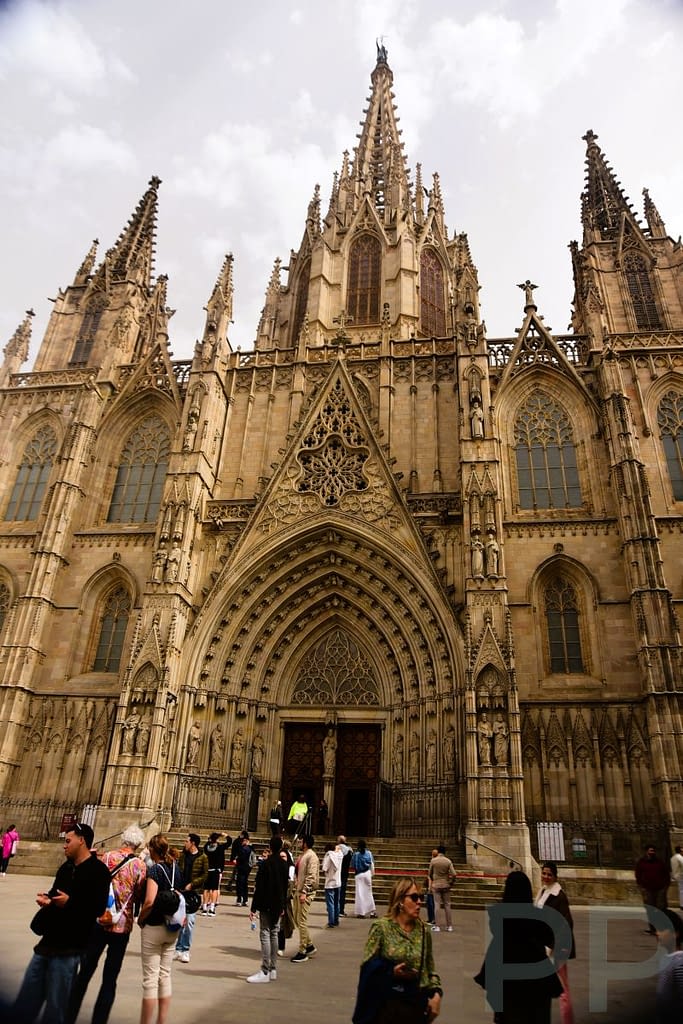
Begin in the Gothic Quarter, Barcelona’s medieval heart, where Roman foundations, medieval churches, and everyday city life coexist within a compact maze of streets. Narrow lanes open onto small plazas, and the best way to explore is simply to walk slowly and let the city reveal itself.
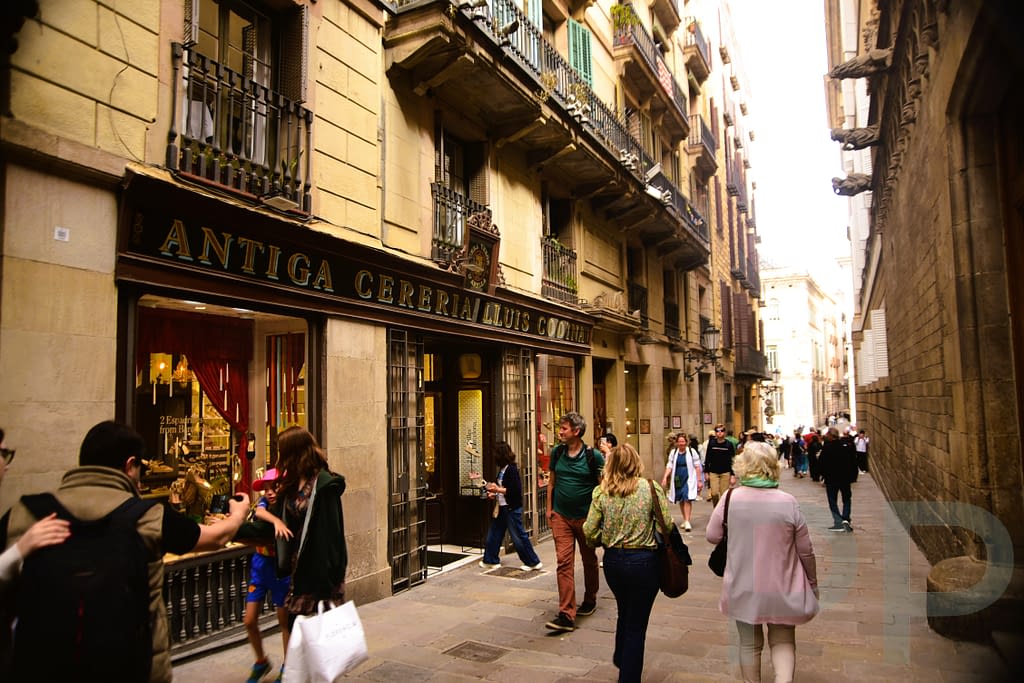
As you move through the quarter, you’ll pass through El Call, Barcelona’s former Jewish quarter. Today it’s woven quietly into the surrounding streets, a subtle reminder of a once-thriving medieval Jewish community and another layer of the city’s complex past.
Continue wandering through the Gothic Quarter, including:
- Barcelona Cathedral
- Plaça del Rei and nearby Roman ruins
From there, walk east into El Born (about 5–10 minutes), a neighborhood that feels both historic and vibrantly lived-in.
In the afternoon:
- Visit the Picasso Museum
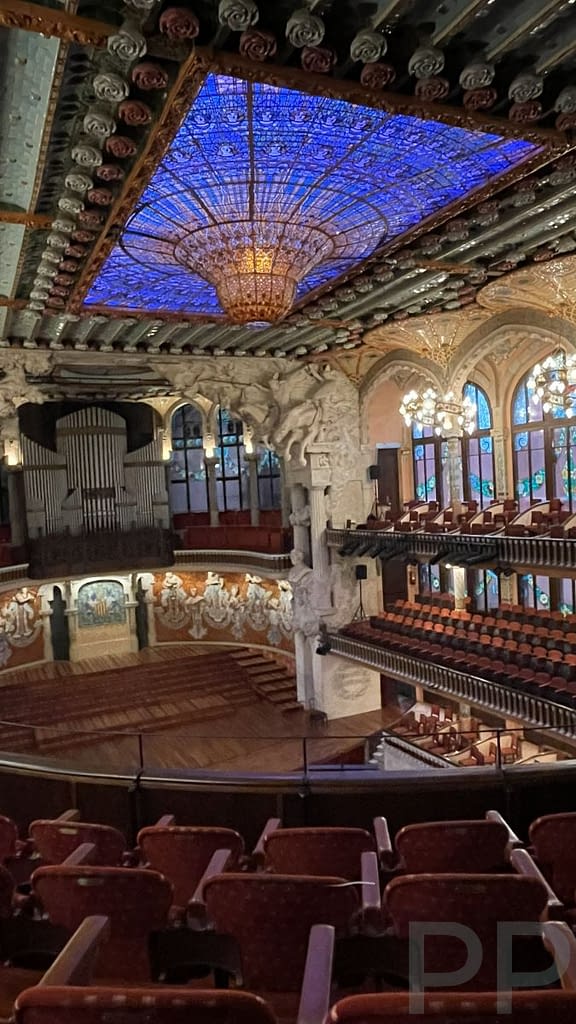
(Advance tickets are recommended; the museum focuses on Picasso’s formative years and deep connection to Barcelona and is best viewed as an optional stop.) - Go inside the Palau de la Música Catalana to admire its breathtaking main concert hall, crowned by a luminous stained-glass skylight and richly detailed with mosaics and sculpture.
Although often associated with Gaudí because of its exuberant style, the Palau was designed by Lluís Domènech i Montaner, another leading figure of Catalan Modernisme.
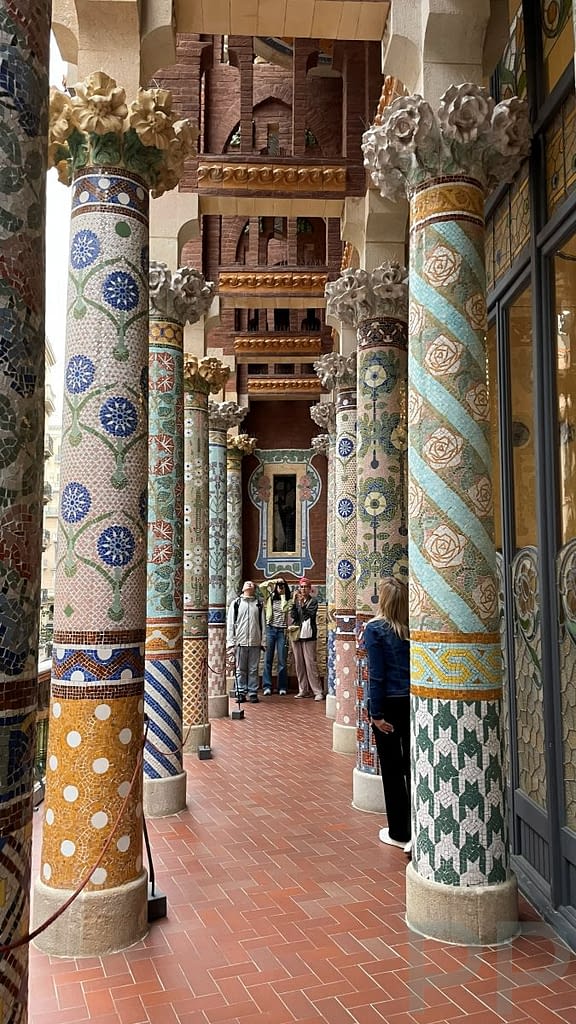
Leave the evening open. El Born is ideal for easing into Barcelona’s rhythm — social, atmospheric, and perfectly suited to an unhurried paseo as the city transitions into evening.
Why this day works:
Everything is compact and walkable, offering a natural introduction to Barcelona’s layered history without letting any single theme dominate.
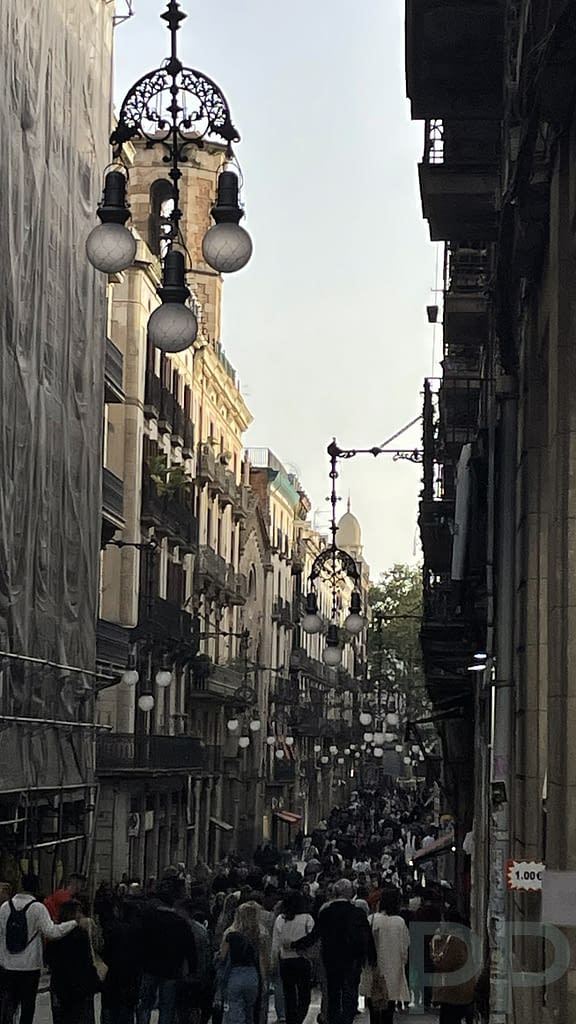
Day 2: Gaudí & Modernisme — Eixample to Gràcia
Theme: Architecture, design, and elevation
Logistics: Linear movement, timed-entry focused
Morning: Sagrada Família and Casa Batlló
Start the day with Barcelona’s most iconic landmark:
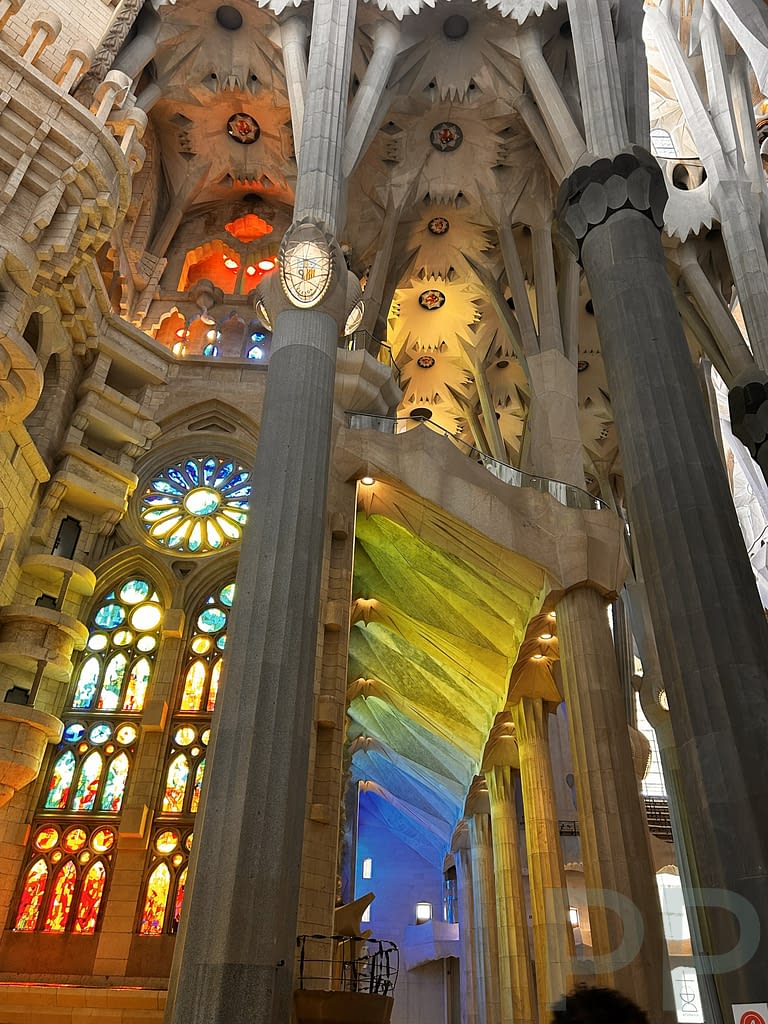
- Sagrada Família
Conceived by Gaudí as a biblical story told in stone, the basilica’s interior — filled with light, color, and forest-like columns — is one of the most extraordinary architectural spaces in Europe.
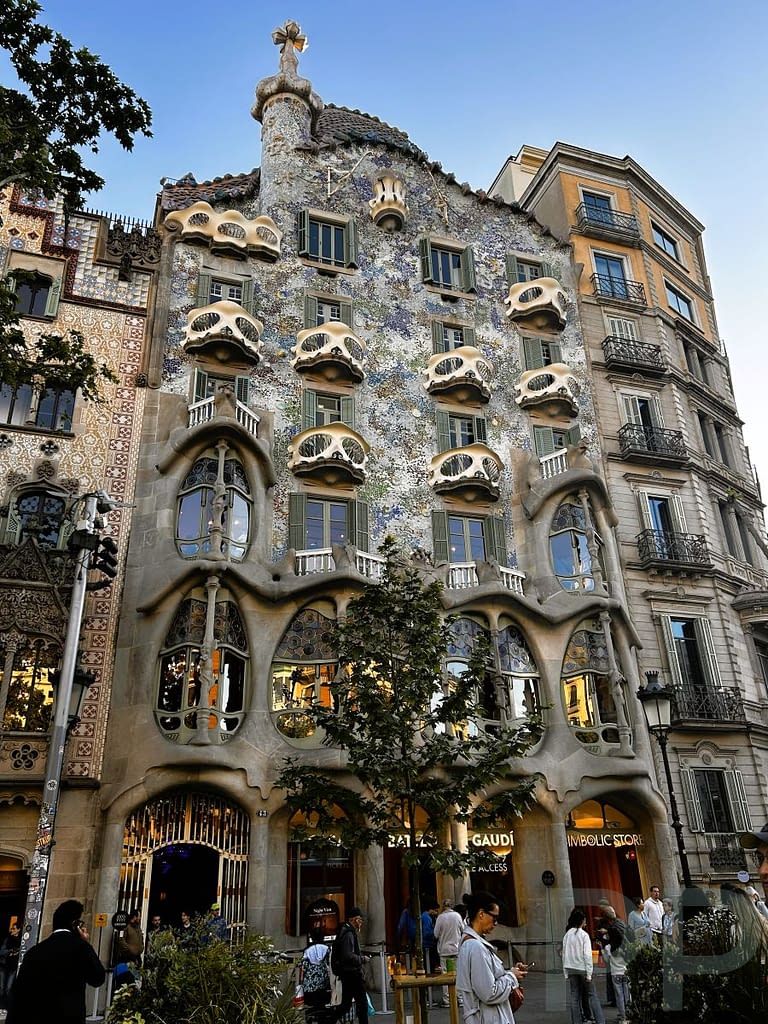
Next, head to Passeig de Gràcia, the elegant boulevard at the heart of the Eixample district:
- Tour Casa Batlló (allow about one hour)
- View the exterior of Casa Milà (La Pedrera)
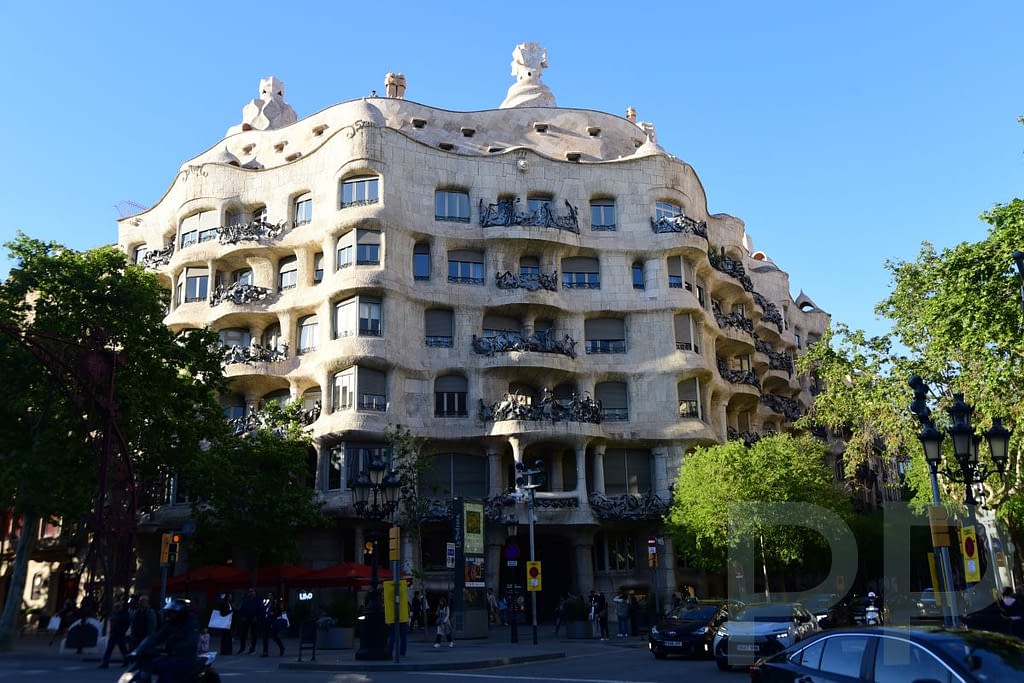
These sites sit within easy walking distance of one another and showcase Gaudí’s work at a more intimate, residential scale.
Afternoon: Park Güell
In the afternoon, travel north to:
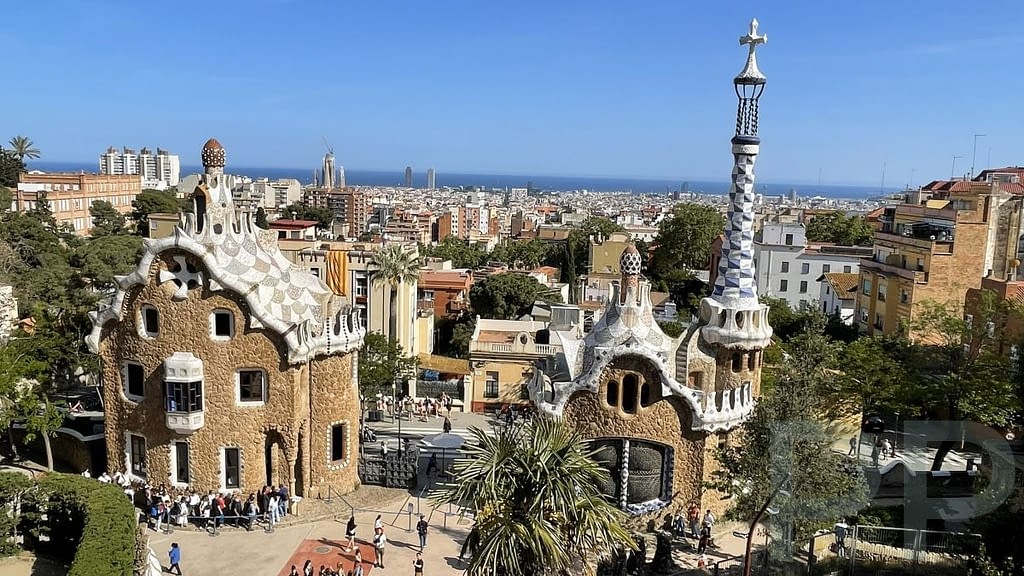
- Park Güell
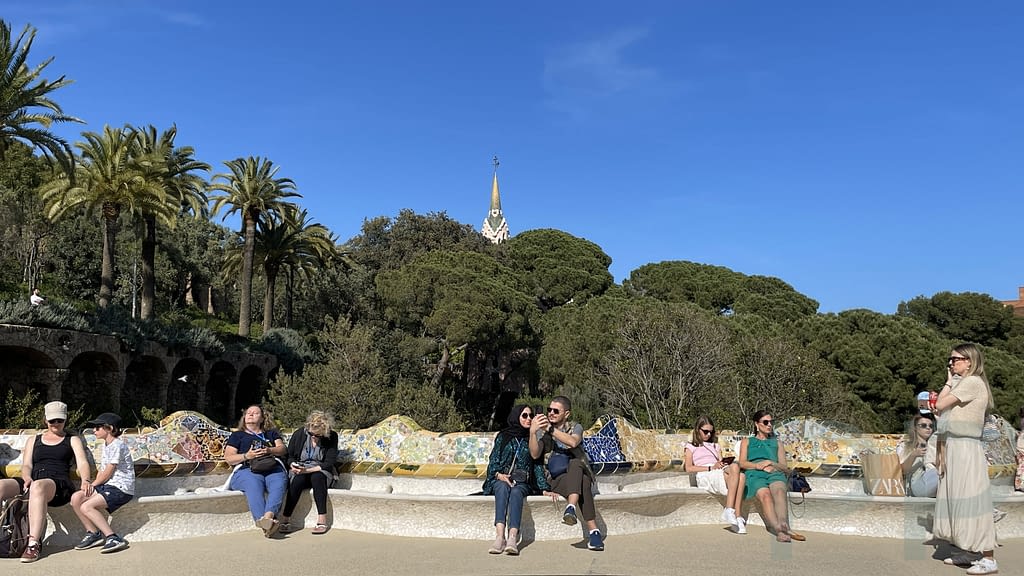
Part sculpture garden, part viewpoint, Park Güell blends architecture and landscape in a way that feels unmistakably Gaudí.
Why this day works:
All major Gaudí sites are grouped logically, minimizing backtracking and saving the most outdoor-focused stop for later in the day.
Day 3: Montjuïc + the Waterfront
Theme: Views, culture, and breathing room
Logistics: One uphill effort, downhill finish
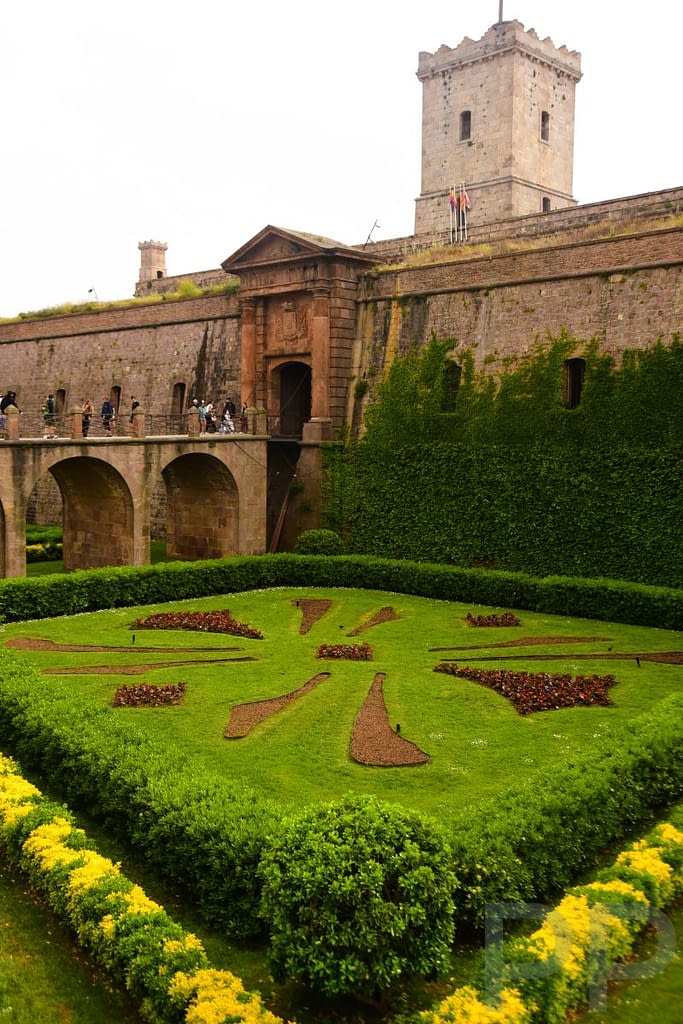
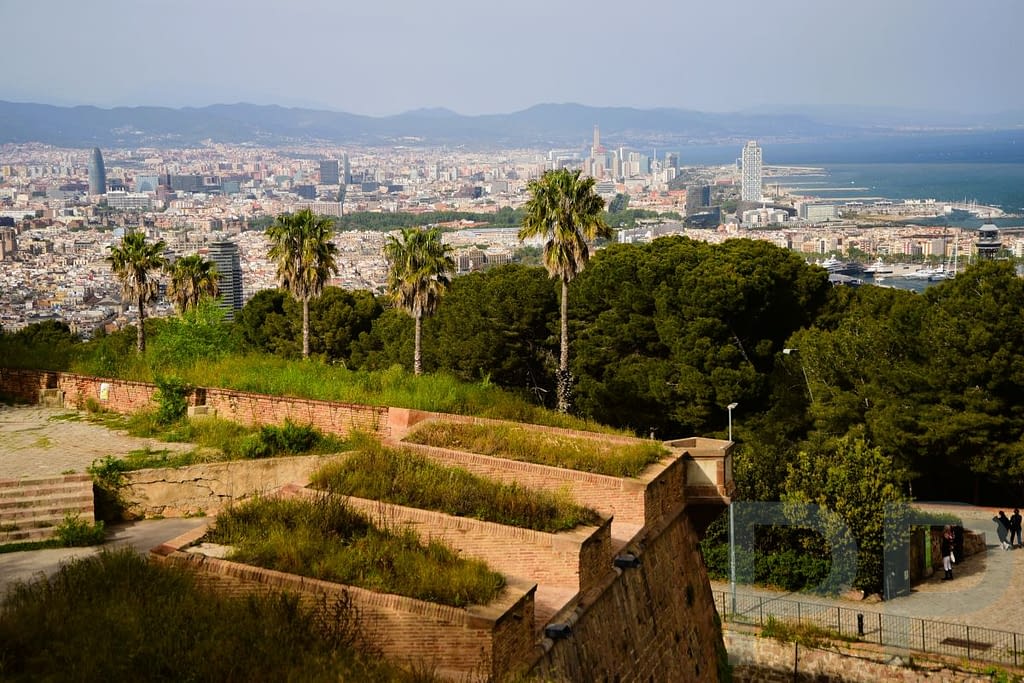
Begin the day on Montjuïc Hill, home to some of Barcelona’s best views and cultural institutions:
- MNAC – National Art Museum of Catalonia
- Montjuïc Castle
Public buses or the cable car help reduce uphill walking.
From Montjuïc, descend toward the city:
- Pass through Plaça d’Espanya or Port Vell
- Take a short, intentional stroll along Las Ramblas (best experienced briefly, not lingered over)
Finish the afternoon with a waterfront walk near Port Vell or Barceloneta, where the city opens to the sea.
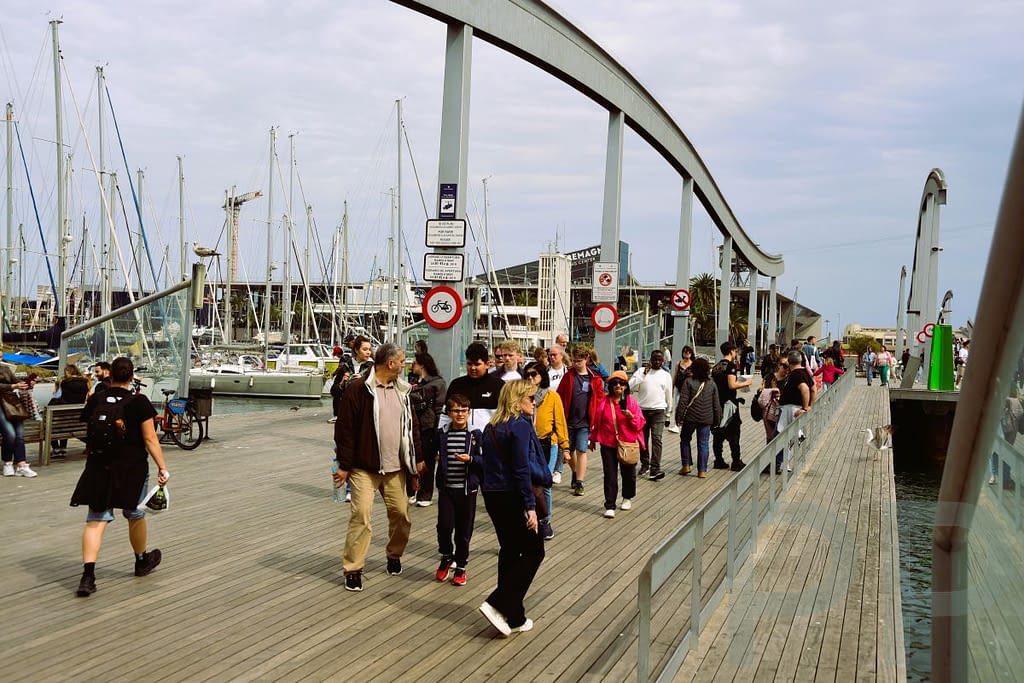
As evening approaches, Barcelona slips naturally into el paseo — the traditional evening stroll. At this time of day, it can feel as though the entire city has turned out: couples walking arm in arm, families lingering in plazas, friends drifting between conversations. Evenings are less about getting somewhere and more about enjoying life as it unfolds.
Why this day works:
You end your time in Barcelona with space, light, and movement — not another dense sightseeing zone.
Optional Day 4: Montserrat Day Trip
If you have an extra day, consider a day trip to Montserrat Monastery. Dramatically set in the mountains outside Barcelona, Montserrat has been an active Benedictine monastery for nearly a thousand years and remains a place of pilgrimage today, particularly for those drawn by its spiritual history and the veneration of the Black Madonna.
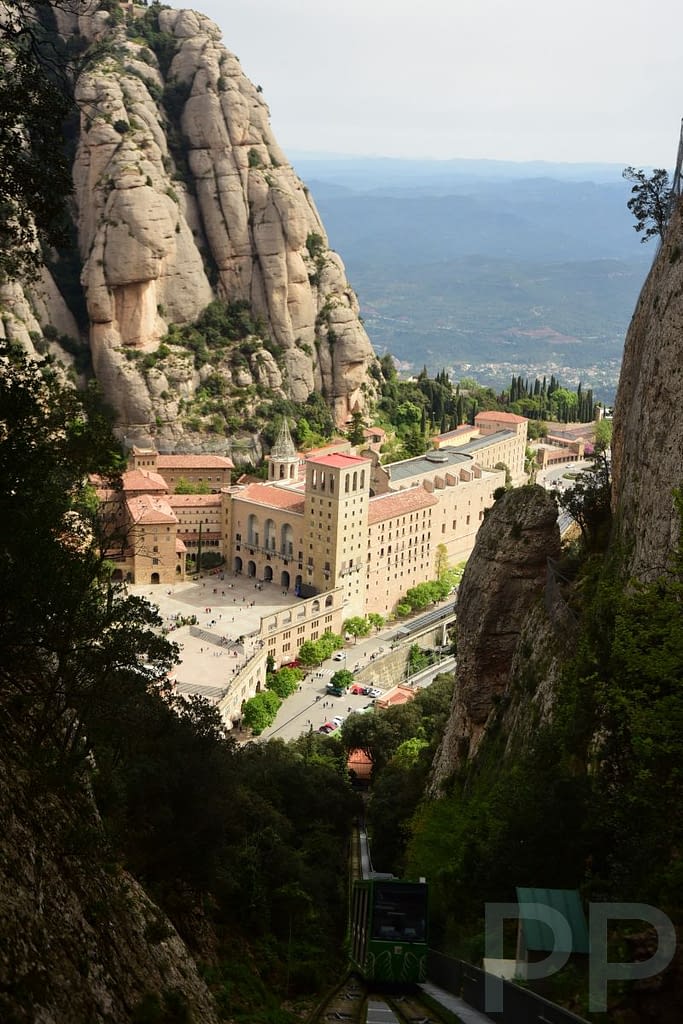
The journey itself is scenic, and the setting offers a powerful contrast to urban Barcelona. On select days, visitors can hear the boys’ choir perform before returning to the city mid-to-late afternoon.
This is a memorable addition, but not essential for a first visit.
Practical Planning Notes
Arriving Late on Day 1?
If you arrive late:
- Treat Day 1 as a light orientation
- Focus on a short neighborhood walk
- Shift Old City sightseeing to the following morning
The itinerary remains intact.
Book These Tickets Early
Advance tickets are strongly recommended for:
- Sagrada Família
- Casa Batlló
- Park Güell
- Picasso Museum
If official sites are sold out, platforms like GetYourGuide often offer additional availability or alternative entry times.
Getting Around
Barcelona is one of Europe’s easiest major cities to navigate. Much of this itinerary is walkable, and public transportation — especially the metro — is clean, frequent, and intuitive for visitors.
Eating in Barcelona
Barcelona’s food culture reflects both Catalan traditions and its Mediterranean setting. Meals are social, unhurried, and often built around sharing — especially in the evening.
Here are some of the most common dishes you’ll encounter, along with what makes each one worth trying:
Pa amb tomàquet
Rustic bread rubbed with ripe tomato, olive oil, and salt — simple, ubiquitous, and often served as the foundation of a meal.
Patatas bravas
Crispy fried potatoes topped with a bold tomato-based sauce and aioli; you’ll see endless variations.
Croquetas
Golden, breaded bites with a creamy interior, typically filled with ham, chicken, seafood, or mushrooms.
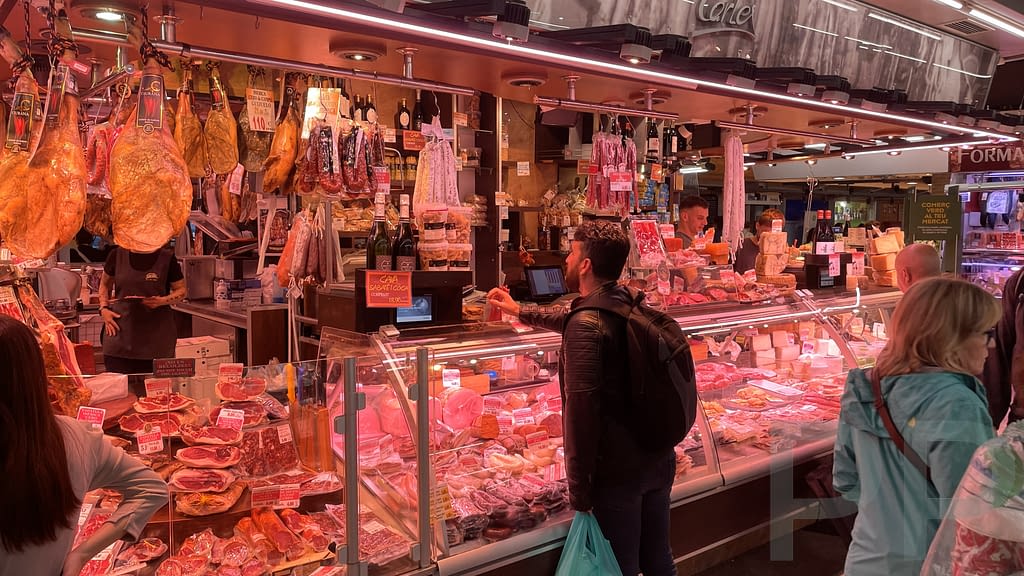
Jamón ibérico
Thinly sliced cured ham with a rich, nutty flavor, usually served on its own so the quality speaks for itself.
Escalivada
Roasted vegetables — often eggplant, peppers, and onions — dressed simply with olive oil.
Botifarra
A traditional Catalan sausage, commonly grilled and served with simple sides.
Fideuà
Similar to paella but made with short noodles instead of rice, typically cooked with seafood and deeply flavored broth.
Crema catalana
A classic dessert with a smooth custard base and a crisp, caramelized sugar topping.
Together, these dishes offer a good introduction to Barcelona’s everyday food culture — familiar enough to feel accessible, but distinctive enough to feel rooted in place.
Tapas vs. Full Meals: What to Expect in Barcelona
Barcelona offers both tapas-style dining and traditional sit-down meals, and knowing the difference can make ordering feel much easier — especially if you’re arriving hungry or adjusting to later dining hours.
Tapas are small plates meant for sharing. They’re ideal if you want to try several dishes, eat lightly, or keep things flexible in the evening. Many travelers gravitate toward tapas during el paseo, stopping in for a few bites rather than committing to a long meal.
Full meals follow a more traditional structure, with multiple courses ordered at once and enjoyed at a slower pace. These are more common at lunch, which is often the largest meal of the day, or during late dinners when locals settle in for a longer evening.
A good rule of thumb:
- Choose tapas if you want variety, a casual pace, or a lighter meal
- Choose a full meal if you’re hungry, want to linger, or are dining earlier in the day
Both styles are part of everyday life in Barcelona, and there’s no wrong choice — it’s simply a matter of matching the meal to your energy level and the rhythm of the day.
Dining Rhythm at a Glance
- Lunch: typically 2:00–4:00 pm
- Dinner: often 8:30–10:00 pm
A late evening dinner can be a rewarding way to experience life as locals do — lingering over food and conversation after el paseo. At the same time, Barcelona is an international city, and many restaurants open earlier or accommodate visitors who prefer to eat sooner.
Not a Late-Night Diner? Easy Alternatives
If late dinners aren’t your preference:
- Make lunch your main meal — it often aligns with dinnertime back home
- Pick up fruit, cheese, bread, or prepared foods from the many convenient grocery stores
- Bakeries offer excellent sweet and savory options for lighter evenings
You don’t have to eat late to eat well in Barcelona.
Where to Stay (Neighborhood Overview)
- Gothic Quarter / El Born: atmospheric, central, lively
- Eixample: quieter, elegant, well-connected
- Gràcia: local, relaxed, less touristy
Best Views of Barcelona — Per Day
- Day 1: Barcelona Cathedral rooftop — intimate views over the medieval city
- Day 2: Sagrada Família towers — Gaudí’s vision from within
- Day 3: Montjuïc viewpoints — sweeping views of the city, port, and coastline
Why This Itinerary Works
- Minimal backtracking
- Timed-entry sights grouped logically
- A balance of architecture, history, and open space
- Built-in flexibility for real-world travel
Barcelona rewards visitors who slow down just enough to notice the details — light filtering through stained glass, the curve of a tiled bench, the shade of linden trees along a broad avenue. This itinerary is designed to help you do exactly that.
Related Guides
Epic 3-Week Spain and Portugal Itinerary (with Maps & Tips)
Montserrat Day Trip from Barcelona: What to Know Before You Go
A Medieval Surprise in Western Spain: Visiting Cáceres
Ronda Spain Travel Guide: A City Straddling a Gorge
Hiking the Caminito del Rey: Spain’s Most Thrilling Gorge Walk
Lisbon in Three Days: A Well-Paced Itinerary with Belém or Sintra