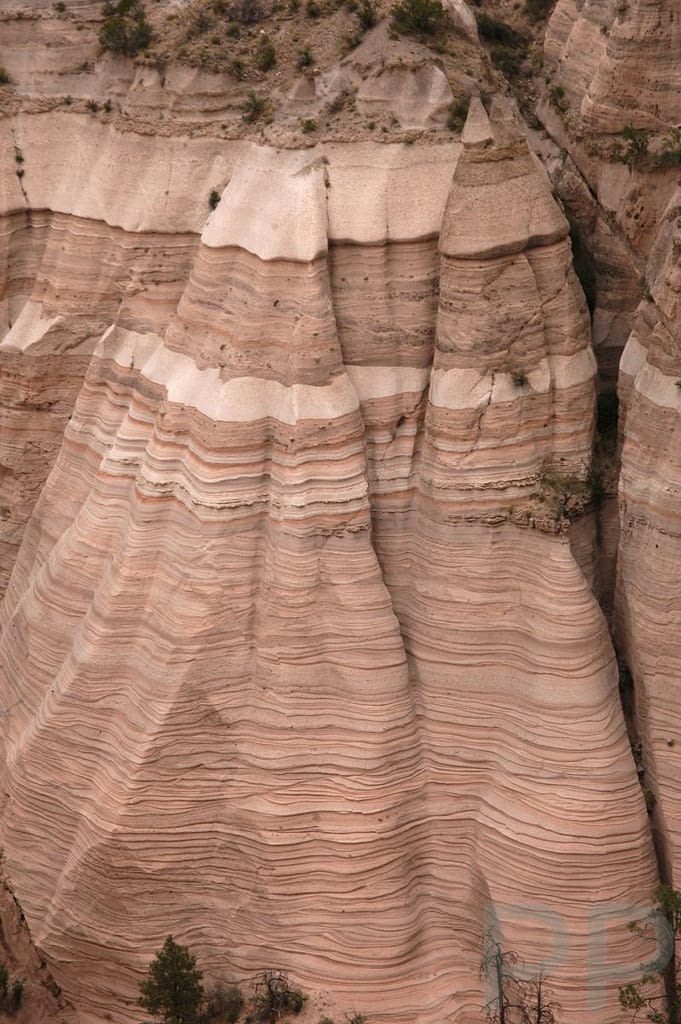
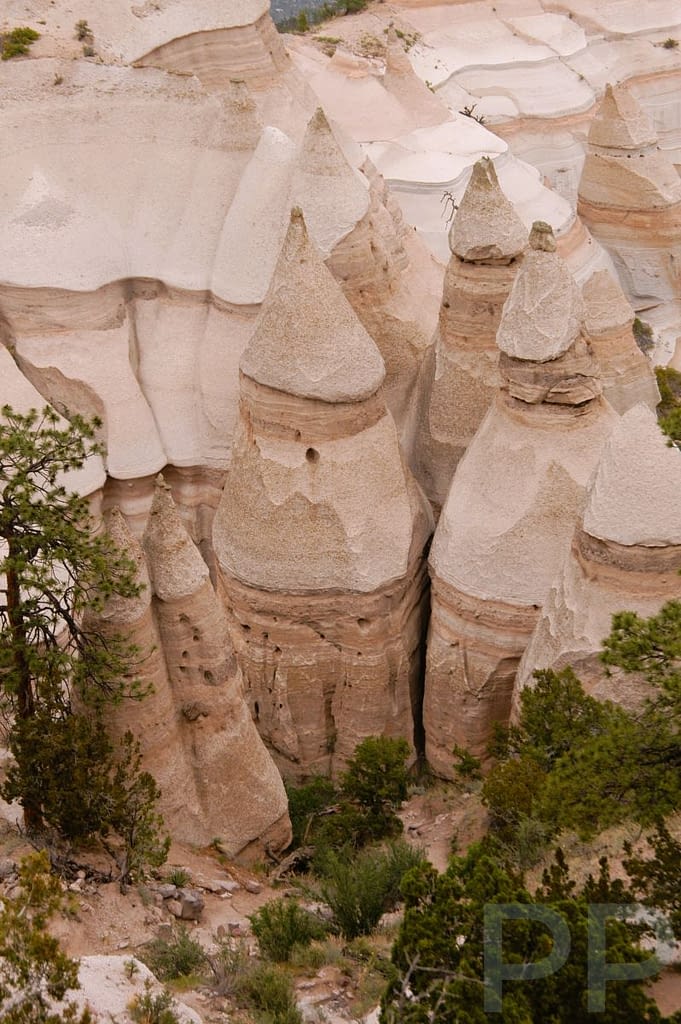
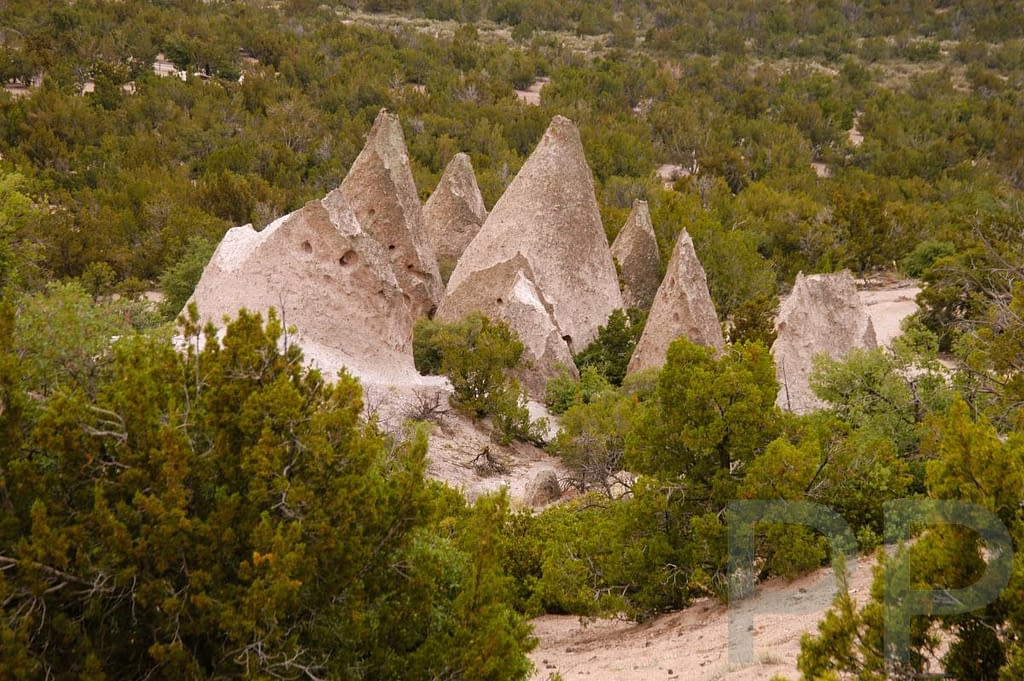
Despite being less than an hour from Albuquerque and Santa Fe, Kasha-Katuwe Tent Rocks National Monument still feels like a place many travelers somehow miss. The landscape is astonishingly unique — pale, cone-shaped rock formations rising from narrow canyons — and once you step onto the trail, the outside world fades quickly. In places, the path narrows to little more than a squeeze between sculpted rock walls, creating an experience that feels immersive, intimate, and genuinely otherworldly.
I went in with modest expectations and left genuinely impressed by how unusual this place is. Tent Rocks delivers something rare: a concentrated, memorable experience that feels far removed from the cities nearby.
What Is Kasha-Katuwe Tent Rocks?
Kasha-Katuwe Tent Rocks is a National Monument, not a national park, and is managed by the Bureau of Land Management (BLM) in partnership with the Pueblo de Cochiti. The name means “white cliffs” in the Keres language, a fitting description for the pale volcanic formations that dominate the landscape.
The monument is compact and focused. Most visitors come for a single hike, spend time exploring the canyon and viewpoints, and leave feeling they’ve encountered a landscape unlike anywhere else in northern New Mexico.
Hiking at Tent Rocks: What to Expect
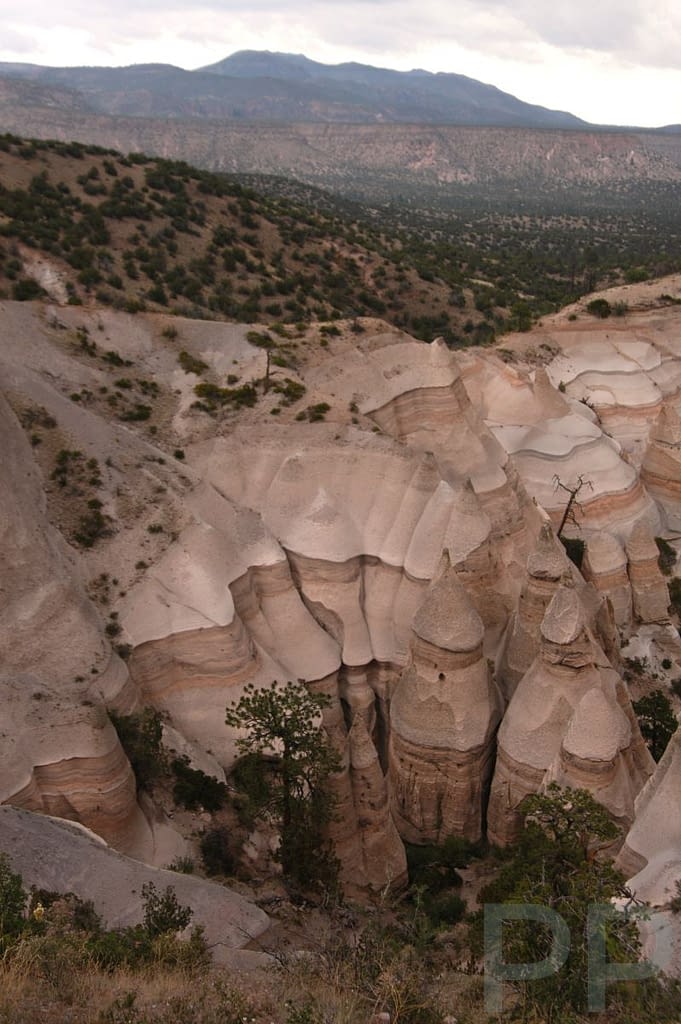
Hiking is central to the Tent Rocks experience, with two main trail options that offer very different perspectives on the landscape.
Slot Canyon Trail to the Overlook (Main Hike)
- Distance: approximately 3 miles round trip
- Difficulty: moderate
- Elevation gain: steady climb to an overlook
- Trail surface: sandy, uneven, narrow in places
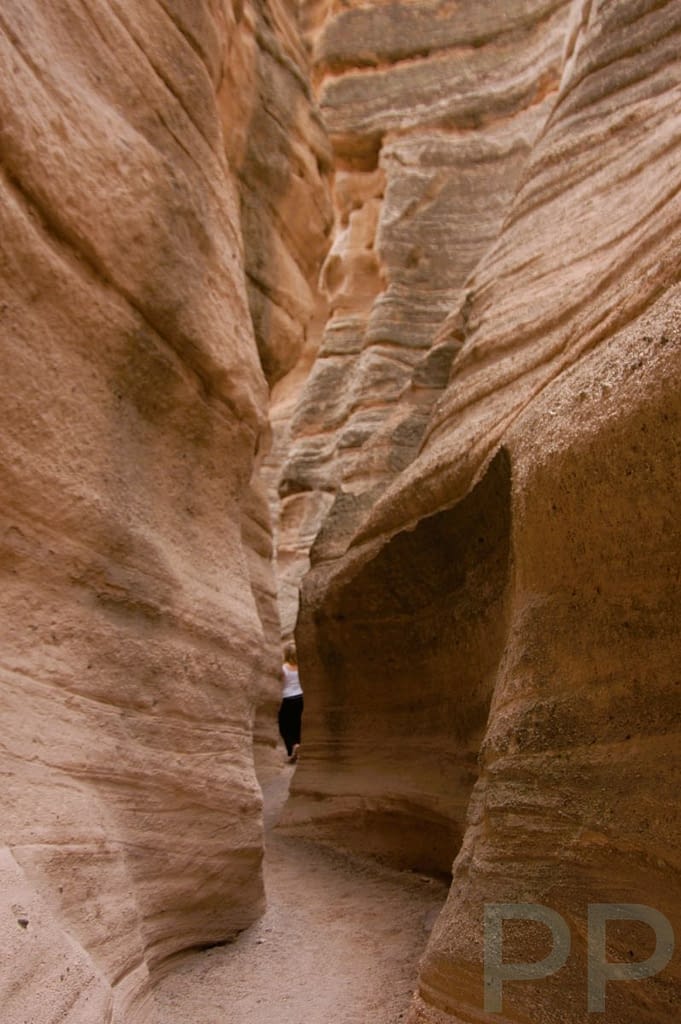
This is the signature hike at Tent Rocks and the one most visitors come for. The trail begins in a broad wash before narrowing into a slot canyon, where smooth, layered rock walls rise close on either side. In several sections, the passage tightens noticeably, creating an immersive experience that feels more intimate than expansive.
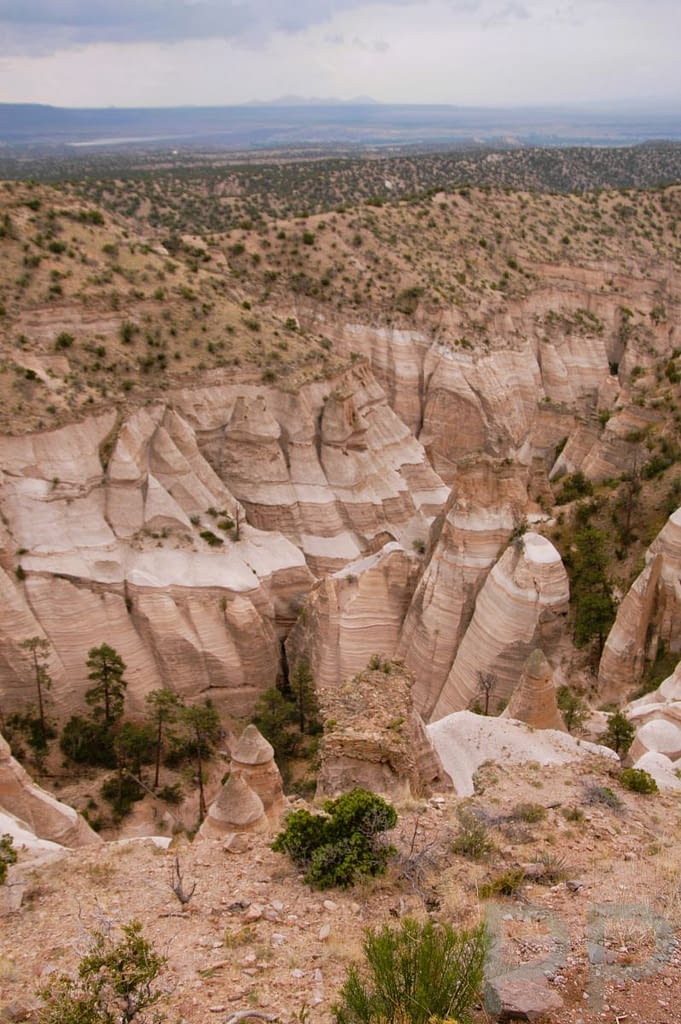
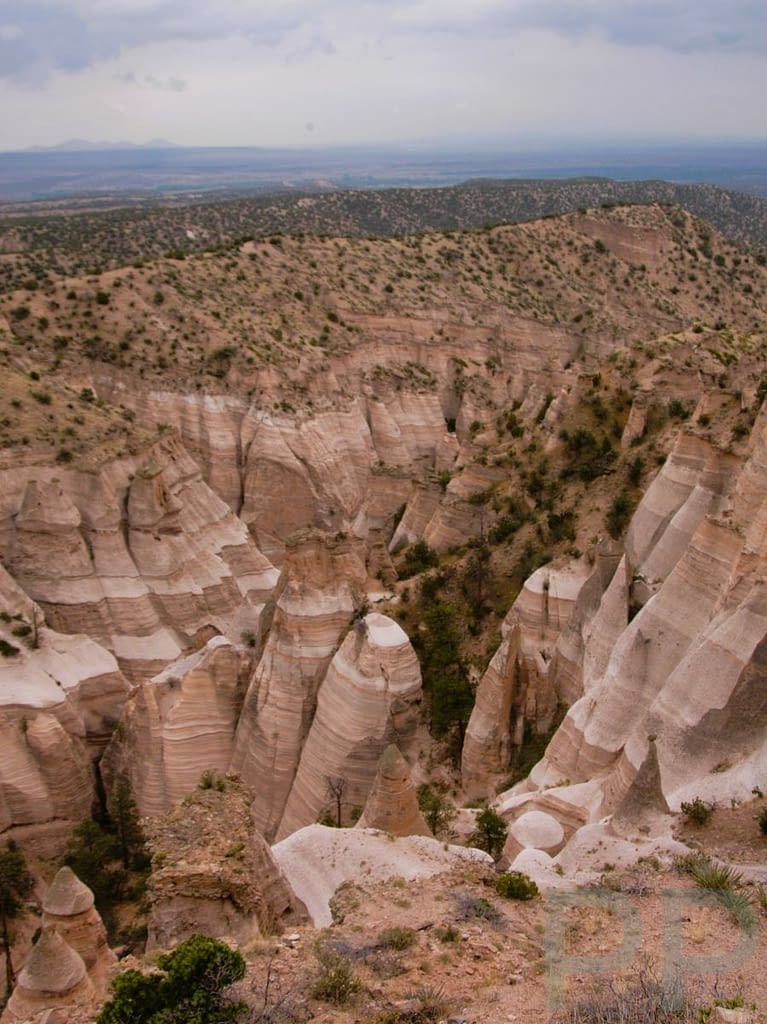
As the trail climbs, the canyon opens and leads to an overlook above the formations. From here, you get a striking top-down view of the hoodoos clustered below and the surrounding high desert beyond.
Cave Loop Trail (Shorter Option)
- Distance: approximately 1.2 miles
- Difficulty: easy to moderate
The Cave Loop Trail stays closer to the trailhead and provides good views of the tent-shaped formations without committing to the longer climb. It’s a solid option for visitors short on time or those who prefer a less strenuous walk.
Can Non-Hikers Enjoy Tent Rocks?
Yes — with realistic expectations. While the most dramatic views come from completing the slot canyon trail to the overlook, Tent Rocks doesn’t require you to be an avid hiker to enjoy it. Even short walks provide close-up views of the formations, and the monument’s small size makes it easy to explore at a relaxed pace.
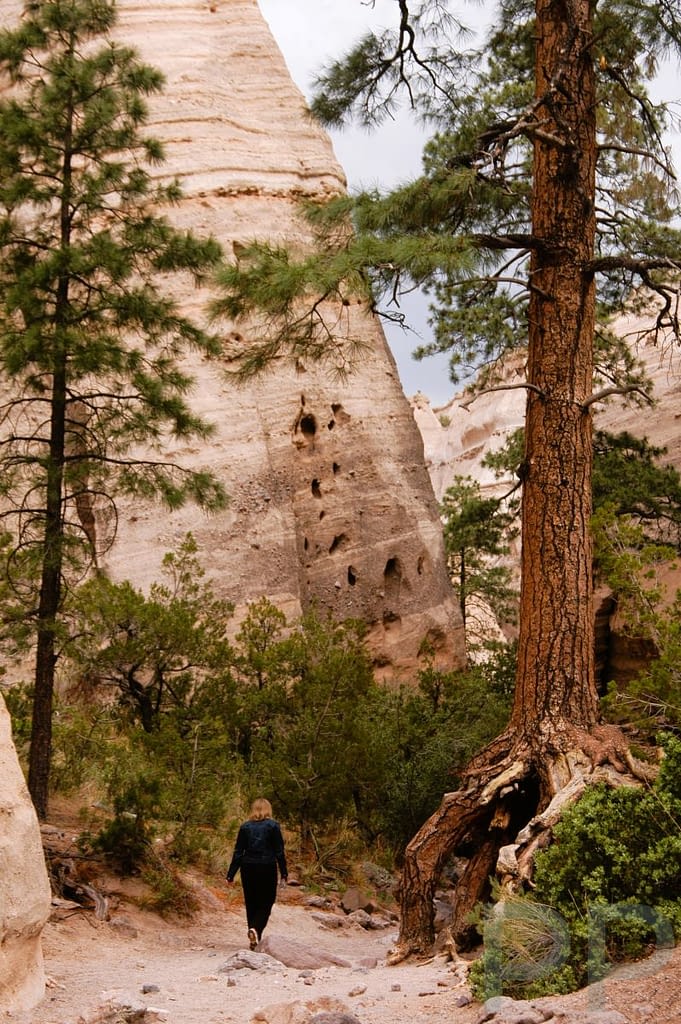
That said, there is no scenic drive through the monument. The experience happens on foot, and visitors should be comfortable walking on sand and rock to get the most out of a visit.
Access, Reservations, and Crowd Levels
Visiting Kasha-Katuwe Tent Rocks requires both a timed entry reservation through the BLM’s online system and a separate Tribal Access Pass issued by Cochiti Pueblo. The Recreation.gov reservation controls daily entry and your reservation must be secured in advance. The tribal pass is obtained separately during the same transaction window, after making your timed entry reservation.
While planning ahead is necessary, reservations here are not as difficult to secure as those for places like Antelope Canyon. Visitor numbers are limited, but demand is generally manageable, particularly on weekdays and outside peak spring and fall weekends. With a bit of advance planning, Tent Rocks is easy to fit into a northern New Mexico itinerary.
Know Before You Go
- Reservations required: Advance reservations and a tribal pass through the BLM’s online system are mandatory
- Day use only: The monument is not open at night; all visitors must exit by late afternoon
- Restrooms: Vault toilets are available near the parking area
- Picnic area: A small picnic area with tables is located near the trailhead
- Water & shade: Bring water and sun protection; shade is limited, especially on the upper trail
- Footwear: Sturdy shoes are recommended due to sand and uneven terrain
For more general trail preparation beyond what’s covered here, our complete guide to day hiking is a helpful reference.
Best Time to Visit
Spring and fall offer the most comfortable temperatures and are the most popular seasons to visit. Summer visits are possible but require more planning:
- Choose early-day reservation times during hot months
- Expect little shade once you leave the canyon walls
- Be prepared for afternoon heat and possible summer storms
Winter visits can be quieter and atmospheric, though access may be affected by weather or seasonal closures.
Where to Stay Nearby
Tent Rocks makes an easy half-day or day trip from both Albuquerque and Santa Fe. Albuquerque offers the widest range of lodging options and convenient airport access, while Santa Fe provides a more historic and arts-focused base.
For a quieter stay closer to the monument, small communities near Cochiti Lake or along the Turquoise Trail can also work well.
Pairing Tent Rocks with Other Northern New Mexico Highlights
Tent Rocks fits naturally into a short northern New Mexico loop. Whether starting in Albuquerque or Santa Fe, it pairs well with nearby public lands and cultural sites, including:
- Valles Caldera National Preserve – expansive volcanic landscapes and wildlife
- Bandelier National Monument – cliff dwellings and canyon trails
- The Turquoise Trail Scenic Byway – a scenic route connecting Albuquerque and Santa Fe through historic mining towns
These destinations combine easily into a compact itinerary without long driving days.
Worth Planning Separately or Extending Your Loop
- White Sands National Park – unforgettable, but far enough south to plan as its own trip or extension
Why Tent Rocks Still Feels Special
Even with more structured access today, Tent Rocks remains one of New Mexico’s most distinctive landscapes, especially when compared with larger, more heavily visited destinations. The narrow canyon, sculpted formations, and visible geology create an experience that unfolds slowly and rewards attention.
It’s not overdeveloped or overwhelming — and that’s exactly what makes it memorable. For travelers looking for something different, close to major cities yet quietly extraordinary, Kasha-Katuwe Tent Rocks National Monument delivers.
A Brief Note on the Geology
The tent-shaped formations at Kasha-Katuwe were created from layers of volcanic ash and pumice that hardened over time. A harder capstone protects softer material below, allowing the cones to form as wind and water gradually erode everything around them. Subtle color bands mark different layers of ash, giving the cliffs and hoodoos their striped appearance.
You don’t need to know the science to appreciate the landscape — but understanding this basic structure explains why the formations look so precise, so sculpted, and unlike anything else nearby.