One reason I love to travel is that it gives me the opportunity to take photos—but over time, I’ve found that how you approach photography on a trip matters just as much as where you go.
I enjoy photography of all kinds, but combining my favorite hobby with travel to interesting destinations is simply… joy.
Over the years and across many trips, I’ve developed some approaches to travel photography that have served me well. In this post, I’ll highlight those approaches and the mindset that helps make traveling with a camera more enjoyable.
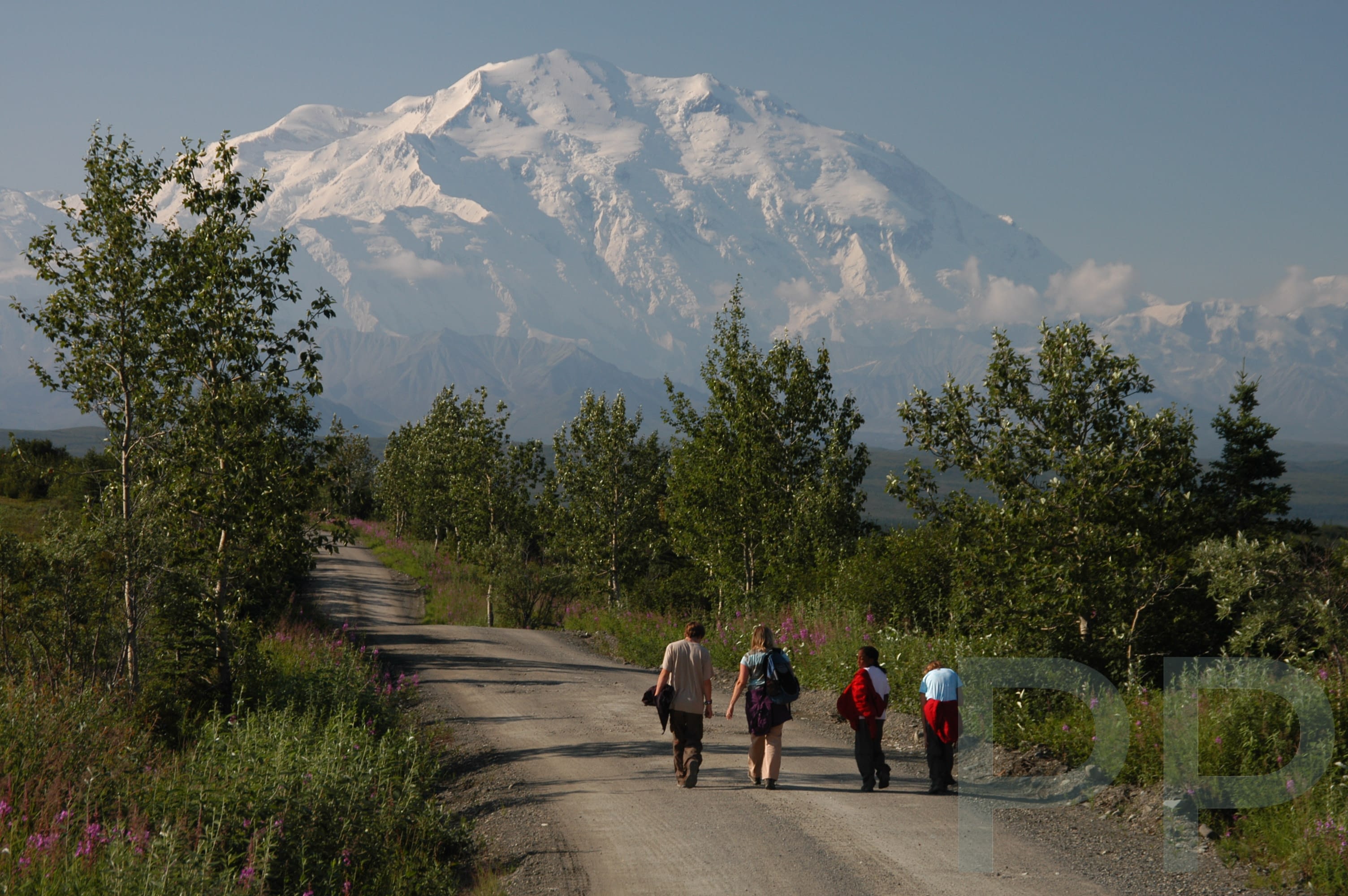
Why Take Photos?
To begin thinking about how photography and travel fit together, it helps to consider the basic motivations behind taking pictures. At the risk of over-simplifying, there are two fundamental reasons to snap a shot: (1) to capture something interesting or beautiful (a form of art), or (2) to create a record or memory of something. Often, both motivations are at play. A sunset photo on a beach vacation, for example, captures the colors and preserves the memory.
On the other hand, I can’t think of many times I was engaged in an artistic endeavor while taking pictures at my kids’ birthday parties. Regardless of the motivation, though, I always want a “good” picture. Most trips include a mix of both types. Recognizing the primary motivation as a trip unfolds helps me switch gears and roll with the moment.
These days, there’s arguably a third motivation—taking photos of ourselves in a place. The location becomes part of the story, even if it’s not the main subject. That’s not necessarily a bad thing, but it’s a different mindset than what I typically aim for with a camera.
Balancing Photography in Travel
Good light is essential for a great photo. When traveling, that often means paying attention to time of day and weather. Setting up for a series of photos also requires time and care. These realities create tension—both in planning a trip and while on it. Maximizing sights and experiences can conflict with taking the time needed for careful photography.
Travel always involves tradeoffs (cost, time, energy…). For serious photographers, managing photography time is just another one of those balances. The balance I aim for varies by destination and is influenced by the fact that I’m not a professional photographer. I’m not trying to sell photos. I don’t want to chase shots so aggressively that it takes away from the trip for me—or for those traveling with me.
Dedicated Travel Photo Sessions
I’ve found it helpful to think about travel photo opportunities in a few distinct categories—both when planning and while on a trip.
Click on the smaller photos to get a full-size view.
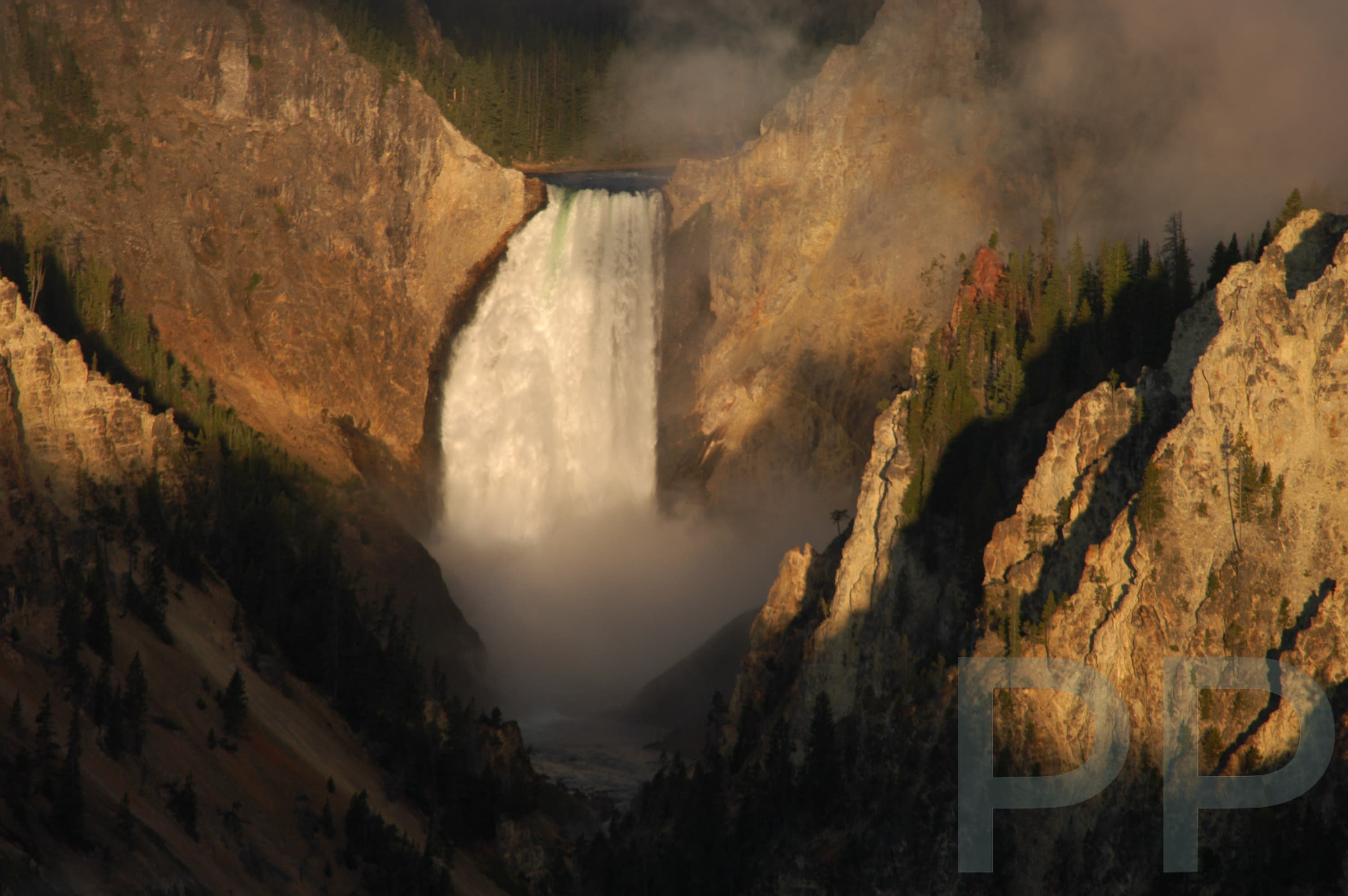
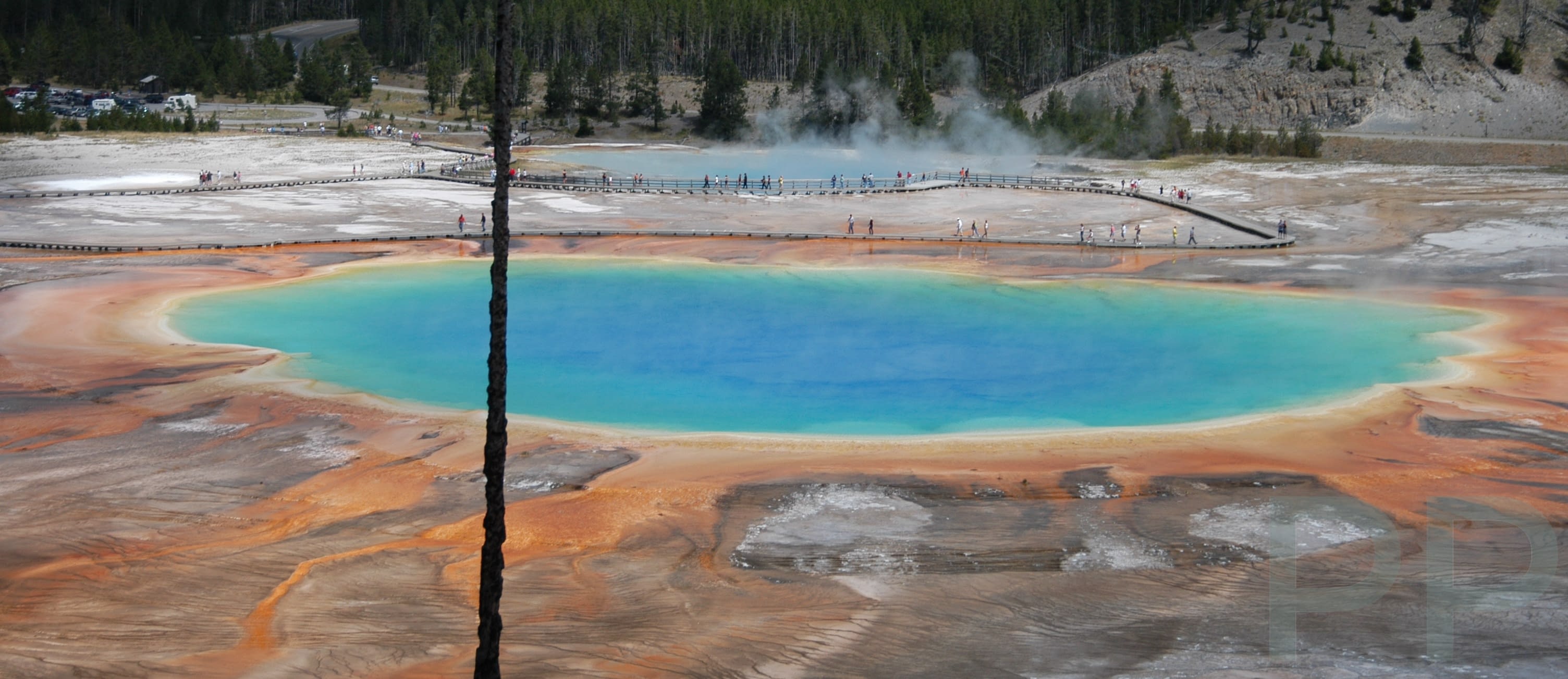
First, there are dedicated photo sessions at a particular location. For the way we typically travel, these are relatively rare and often happen early in the morning. For example, while camping in Yellowstone, I got up before dawn and drove to a spot where I expected Lower Yellowstone Falls to be illuminated at sunrise. With camera and monopod ready, I captured great shots of the falls shrouded in mist and glowing with color.
What were the camera settings? I don’t remember—probably auto everything. The key was simply being in the right place at the right time. I likely scoped out the location the day before and had read about sunrise conditions. Once there, I had time to think through exposure and composition—and enjoy a bit of quiet contemplation.
Given the choice between fauna and flora, I tend to favor wildlife. I like the challenge—it feels a bit like hunting. (See a shot of a moose in Glacier National Park during a wildlife photo session.) That said, photographing plants and flowers presents its own set of challenges as well.
Photos on the Move
The second type of opportunity is photography while sightseeing or on the move. In these situations, you may be able to anticipate lighting, direction, and framing, but time is limited. Whether you’re on a driving tour, a boat ride, or walking through a city, you often have just seconds to capture the shot.
In this category, many photos lean more toward “record or reminder” than “art.” Still, I’ve developed a few habits that help improve results. Small adjustments—changing the angle, zooming slightly, or taking a step or two—can make a big difference. My DSLR camera (Nikon D750) has an articulating display, which allows me to shoot above a crowd and still see the frame. That helps avoid a lot of photos filled with the backs of people’s heads.
Sometimes, while sightseeing, there’s a chance to shift into a quick “mini-session.” For me, those often happen while Alice is shopping for souvenirs or grabbing coffee.
Video to Capture the Vibe
Video has become increasingly popular and can be a great way to capture the feel of a place. That said, I often question how useful or enjoyable videos are after the fact. Still images fit easily into albums, slideshows, or screensavers. Videos—unless short—don’t always. They can convey what something felt like, but I tend to keep them brief. I often think I should take more video, though—I’d be interested to hear your thoughts.
On a Drive
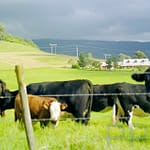
Scenic drives can allow for pull-offs and more deliberate setups, making them similar to dedicated sessions. But we’ve also found it worthwhile to take photos out the window (passengers only 😀), mostly to record the experience—and occasionally capture a good shot.
The odds of getting a contest-worthy photo from a moving vehicle are slim. Still, I’m glad I captured the image of cows in Australia shown here—even with glare from the window. And that was back in the days of 35mm film… when you had to buy film and pay to develop it.
Serendipitous Travel Photography
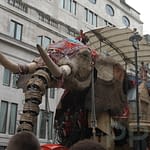
Sometimes what is interesting may be beyond what you are expecting. Something rustic or old. An optical illusion. Something out of place. Colorful. When a photo that begs to be taken appears, mobile phones come in handy if a “serious” camera is not within reach. (Mobile phone cameras have become remarkably capable tools these days.)
On some trips, we have been fortunate to unexpectantly come across an event, like a market day or a festival. In London, we ran across a street performance that extended around the town and included parade-like vehicles as part of the story. This made for a fun time following the crowds, enjoying the vibe, and also some interesting photos. The elephant you see here was also photographed passing Trafalgar Square. There was a vintage wooden spaceship crashed into an alley in Mayfair.
Family Outing or Photo Op?
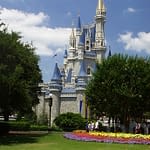
I remember taking a photo at Disney World while rushing alone to grab timed-entry tickets. Even in a hurry, I noticed a perfectly framed scene and snapped the shot. I wished I had a polarizer on the lens, but it still turned out well. That moment wasn’t about “serious” photography—but sometimes those quick decisions produce great results.
A Mix of Opportunities
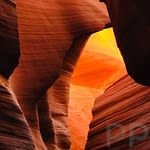
In reality, these categories often overlap throughout a trip. Our tour of Antelope Canyon near Page, Arizona, is a good example. I was trying to capture what I could in a fast-moving environment, but our guide also created moments for better photos and offered helpful suggestions. I took more than 350 photos—many without someone’s head in the frame!
Taking Lots of Pictures
Regardless of the situation, there’s little reason to hold back. Storage is relatively inexpensive, and taking more photos increases your chances of getting good ones. It also provides more opportunities to learn. Features like auto-bracketing and HDR can give you more options when reviewing your shots later.
What This Means for Travel Photography
Thinking through these types of photo opportunities helps with preparation and planning. It influences what gear I pack, how I set up my camera, and where I might build in time for dedicated sessions. Wildlife opportunities, in particular, often affect what equipment I bring.
Anticipating the kinds of shots I might encounter also helps me practice ahead of time and establish simple routines—like default camera settings to start the day. Over time, this has helped me refine what gear I carry, especially for hikes and tours.
Perhaps the most important preparation, though, is simply having the right mindset—being ready to notice and capture moments, even when tired or jet-lagged.
Sometimes the best shots come when everything comes together—light, timing, and just being there.
Related Guides
If you’re thinking more intentionally about how you travel—and photograph—these guides can help:
- How to Plan a Trip Without Feeling Overwhelmed → Build a trip that leaves space for moments like these
- Our 3-Week Spain & Portugal Itinerary → See how we balance movement, experiences, and time to explore
- Best Scenic Drives (U.S. & Beyond) → Some of our favorite routes where the journey is the destination
- Packing for Europe with Carry-On Only → What we actually bring (including camera gear)
This is a fantastic guide.
Sorry for the delay in responding. Please let me know if you have any questions.
Sorry for the delay in responding. I glad this was helpful. Let me know if you have any questions.
Comments are closed.